


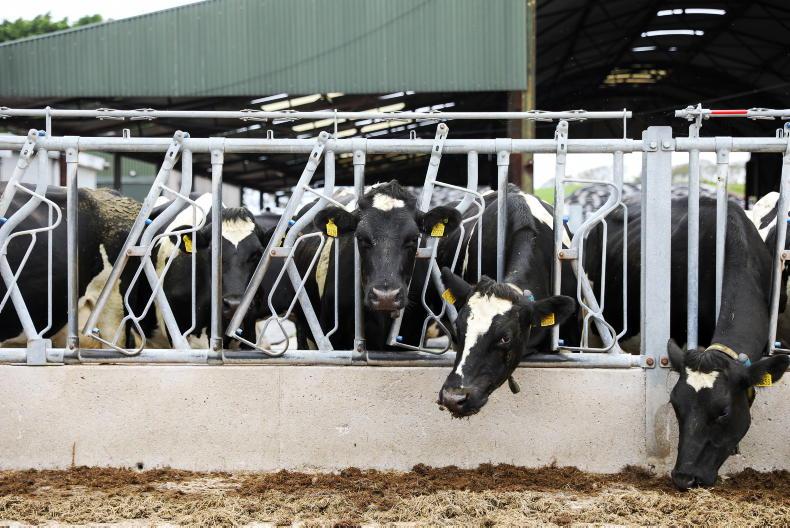
At least 15 cases of bluetongue serotype 3 have now been confirmed on farms, as further outbreaks of the virus have been detected in the month since the disease first appeared in Co Wexford.
An outbreak was discovered on farm near the coast, along the Louth-Meath border, which has over 1,800 cattle on it, and another farm on the Wexford-Wicklow border, with over 200 susceptible cattle.
The outbreaks are coming to light as a result of ongoing surveillance testing, aimed at determining the extent the virus has spread.
The Louth outbreak was confirmed in post-abortion sampling, while another Wexford outbreak was confirmed after tests on a foetus submitted to a regional veterinary office.
Another farm with over 500 cattle in Co Kildare also received confirmation of the virus this week.
Analysis undertaken by UCD’s Centre for Veterinary Epidemiology and Risk Analysis suggests that the virus reached Ireland’s shores on 23 and 24 of September last year.
This analysis is to inform further targeted surveillance for bluetongue over the coming months.
The Department of Agriculture has said that the developments over the past week are not unexpected and that follow-up investigations are ongoing, including the testing of additional cattle.
It flagged that further information is expected to emerge over the coming days on the disease situation.
Movement bans
The imposition of animal movement restrictions to counter any possible spread of the virus have been ruled unnecessary at this stage of the year in which midge activity is unlikely.
On trade, the Department has also confirmed that an interim trade certificate has been agreed with the Canadian Food Inspection Agency that will allow shipments of dairy goods from Ireland to Canada to resume.
It also stated that efforts to secure access to other markets impacted by the loss of Ireland’s bluetongue free status will continue.


SHARING OPTIONS