Launched in July 2024 with 52 participating farms, which included Newford and Tipperary demo farms, the ACTIVATE Programme was expanded to 180 farms in November 2025 and the hope is to grow numbers further in 2026.
ACTIVATE supports farmers in improving productivity and reducing emissions through science-based actions, as well as through financial incentives. The ACTIVATE Programme incentive is paid in addition to the standard in-spec bonus and/or any breed bonus that may apply.
Grounded in research specific to Irish agriculture, the programme promotes practices that protect biodiversity, improve soil health and tackle climate change.
Dawn Meats are facilitating the programme along with the support of industry stakeholders, Bord Bia, ICBF, Teagasc and McDonald’s UK and Ireland.
Each participant creates a farm-specific sustainability plan using the AgNav tool. This is tailored to suit the farm and the farmer. There are six actions per farm, with two mandatory. These are the use of Herdwatch and responsible antibiotic usage.
The other four sustainability actions are aligned with the Teagasc Marginal Abatement Cost Curve (MACC) measures. As well as the individual plans there have been a number farm walks and information events held over the year.
Grassland management-related measures have been popular options chosen by farmers, Harry Stevenson, with programme co-ordinator, saying: “We’ve seen a strong uptake of grassland management measures such as protected urea, liming, and incorporating clover into swards. We were keen to encourage these actions because they deliver quick wins for our farmers.
“For example, liming to improve soil fertility is a simple, cost-effective step. Research shows that around 60% of livestock soils in Ireland require lime, so soil sampling and lime application can significantly improve fertility while reducing fertiliser bills.”
As many farmers know, establishing clover isn’t straightforward, and Harry said this has proven difficult in some cases.
“Some changes are not without challenges,” he said. “Incorporating clover, for example, requires careful management of soil fertility, grazing covers, and weed control to ensure long-term success.”
As well as taking on more farmers, the next focus will centre on water quality, with a pair of advisers, Alana Coyne and Norma O’Gorman, currently engaging with farmers about the Agricultural Sustainability Support and Advisory Programme (ASSAP) and Farming for Water EIP to help them implement measures to preserve and ultimately improve water quality.
Farmer feedback has been positive, said Harry, with one third of farms already meeting their 2025 target.
“That’s encouraging. It shows that small, strategic changes can deliver measurable results. The next step is maintaining momentum. We want to continue expanding the programme so we can have a significant impact across our supply chain, engaging with farmers to ensure a sustainable future for Irish beef production.”
Qualifying cattle
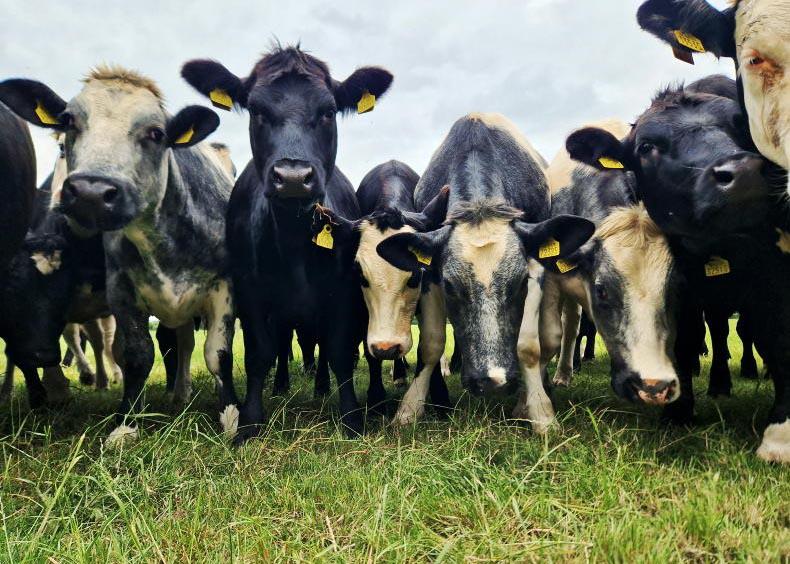
The programme is open to livestock from both dairy and beef herds.
Steers & heifers (under 30 months), young bulls (under 16 months) and cows that meet the qualifying livestock criteria are all eligible for the incentive.All livestock must be Bord Bia Sustainable Beef and Lamb Assurance Scheme (SBLAS) quality assured. From year three, all livestock qualifying for the incentive must be lifetime Bord Bia quality assured.Cattle must not have more than four movements.Cattle must have a minimum residency period of 30 days on the final holding.Young bulls under 16 months will qualify for ACTIVATE payments subject to annual contracted volumes.Point of slaughter payment
Years one to three: 5c/kg for agreeing to farm plan actions with the programme coordinator and completing the online training module.End-of-year dividend
Year one: 5c/kg for verifying that farm plan actions have been completed and completing the Bord Bia Sustainability Survey.Years two to three: 5–10c/kg for verifying that farm plan actions have been completed, completing the Bord Bia Sustainability Survey and achieving targeted emissions reduction.John Maguire, Co Kilkenny
Being part of the ACTIVATE Programme has been a positive experience. It started with a simple sit-down meeting with my adviser to recognise the sustainability actions I was already taking and explore new ways to improve.
The farm plan we created is straightforward. It has helped me plan better for the year ahead and stay focused, while also rewarding my efforts through a sustainability bonus.
The first few months were only an introduction to the programme, and in the next month or two we’ll look at what we’ll do next year and see how that ties in with the farm.
I’d definitely recommend the programme, it’s encouraging to see farmers rewarded for environmental actions that benefit both the planet and our pocket. I run a mixture weanling to beef or forward stores.
About 90% would be Angus-cross cattle from the dairy herd, with two thirds bullocks and one third heifers. I buy 40% as weanlings in autumn and the rest in spring as yearlings.
This year we kept 170 at grass and finished about 120, with the rest sold as stores. I can run a good few animals at grass but don’t have as much shed space, so I sell some as stores. I think it’s a great initiative.
The bonus on the cattle on the factory for completing my farm plan is a great incentive. It’s great to get recognition for it. One action I went for was to use 100% protected urea and another was grass measuring, so this year I did 46 grass measures. Another was incorporating clover into the reseeding and I over-sowed a small bit too. I’d be a huge fan of clover but it’s temperamental.
Some paddocks are savage for clover and there are others with none at all, but I’d be trying to encourage it all the time. I would see a benefit to the cattle too when the clover content is good. They have good intakes and their weight gain is good when they’re grazing it.
When I’m taking surplus paddocks out for silage too, I find clover is a good job from bringing up the silage quality. I also had a visit from Alana Coyne, water quality adviser for Dawn Meats, and as a result made an application for the Farming for Water EIP for my farm.

John Maguire, Kilmacow, Co Kilkenny.
Clive Buttimer, Clonakilty, Co CorkI joined the ACTIVATE programme back in January 2024. The farm plan we put together was tailored to suit our system and recognised the work we were already doing to improve grassland management.
The assessment process was straightforward with very little paperwork, which made things easier. One change we made to our system following our discussion with our ACTIVATE adviser was to change from buying short keep forward stores to buying young cattle, and by doing that we also reduced our slaughter age.
We used to have short-keep cattle for grass in spring and that’s all we were doing in the last couple of years, but we moved to buying Angus weanlings from continental cows in the autumn time. We graze off the ground silage is taken from with them, and they get back out to grass early in spring before being housed the following September, so they’re housed and finished earlier.
We’ve found the cattle have better condition by the time they come to finishing because they’re much more settled in their groups compared to the system we had where you could be a few weeks putting a group of forward cattle together for finishing.
We also increased the area of clover; we were including it in reseeds anyway, so it was a sensible option to choose. It has streamlined things for us and just the few tweaks helped make it a more profitable system. I’d recommend farmers who are joining ACTIVATE to find measures that suit their farm, and they’ll find that a lot of them will be no brainers when it comes to profitably.
We were doing a good few of the measures, and ACTIVATE is the cherry on top. It’s good farm practice and based along the lines of Teagasc MACC curves emissions reductions.
It’s not reinventing the wheel, but doing the basics well and being rewarded for it.
It’s a great programme to be involved in and being part of it has helped build a closer relationship with Dawn Meats and keeps us in the loop with new developments that support the future of my business.
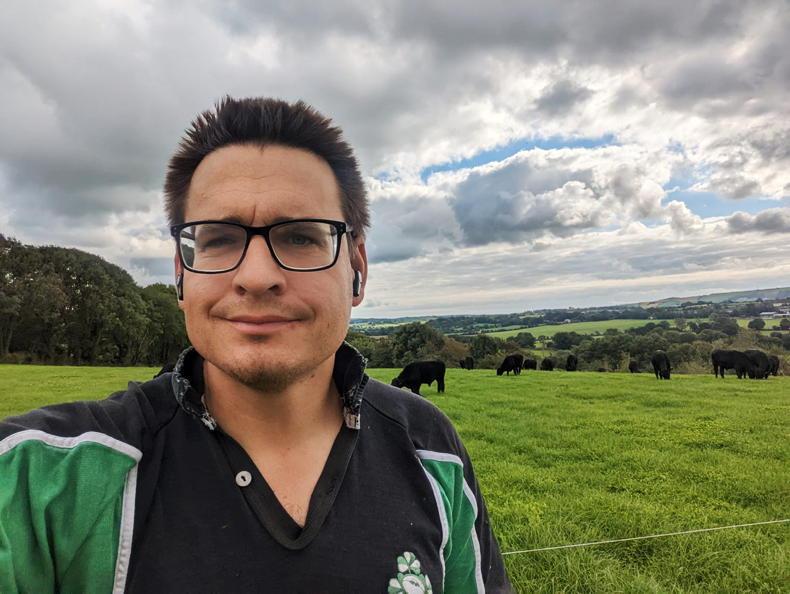
Clive Buttimer, Clonakilty, Co Cork.
220 verified actions in 2024.Grassland management dominated uptake.88% adopted low-emission slurry spreading.69% applied lime.62% switched to protected urea.32% of farms already met 2025 emissions reduction target (3%).Antibiotic usage recorded at 1.31mg/kg PCU (well below ERBS target of 10mg/kg PCU).1,000 farm plan actions committed for 2025.With data available from the first year of the programme and year two’s data being correlated, Stevenson was happy with how participants. He said: “Seeing a third of farms already meet their 2025 target shows that small, strategic changes can deliver results. The next step is maintaining momentum, expanding the programme so we can have a significant impact across our supply chain, engaging with farmers to ensure a sustainable future for Irish beef.”
Launched in July 2024 with 52 participating farms, which included Newford and Tipperary demo farms, the ACTIVATE Programme was expanded to 180 farms in November 2025 and the hope is to grow numbers further in 2026.
ACTIVATE supports farmers in improving productivity and reducing emissions through science-based actions, as well as through financial incentives. The ACTIVATE Programme incentive is paid in addition to the standard in-spec bonus and/or any breed bonus that may apply.
Grounded in research specific to Irish agriculture, the programme promotes practices that protect biodiversity, improve soil health and tackle climate change.
Dawn Meats are facilitating the programme along with the support of industry stakeholders, Bord Bia, ICBF, Teagasc and McDonald’s UK and Ireland.
Each participant creates a farm-specific sustainability plan using the AgNav tool. This is tailored to suit the farm and the farmer. There are six actions per farm, with two mandatory. These are the use of Herdwatch and responsible antibiotic usage.
The other four sustainability actions are aligned with the Teagasc Marginal Abatement Cost Curve (MACC) measures. As well as the individual plans there have been a number farm walks and information events held over the year.
Grassland management-related measures have been popular options chosen by farmers, Harry Stevenson, with programme co-ordinator, saying: “We’ve seen a strong uptake of grassland management measures such as protected urea, liming, and incorporating clover into swards. We were keen to encourage these actions because they deliver quick wins for our farmers.
“For example, liming to improve soil fertility is a simple, cost-effective step. Research shows that around 60% of livestock soils in Ireland require lime, so soil sampling and lime application can significantly improve fertility while reducing fertiliser bills.”
As many farmers know, establishing clover isn’t straightforward, and Harry said this has proven difficult in some cases.
“Some changes are not without challenges,” he said. “Incorporating clover, for example, requires careful management of soil fertility, grazing covers, and weed control to ensure long-term success.”
As well as taking on more farmers, the next focus will centre on water quality, with a pair of advisers, Alana Coyne and Norma O’Gorman, currently engaging with farmers about the Agricultural Sustainability Support and Advisory Programme (ASSAP) and Farming for Water EIP to help them implement measures to preserve and ultimately improve water quality.
Farmer feedback has been positive, said Harry, with one third of farms already meeting their 2025 target.
“That’s encouraging. It shows that small, strategic changes can deliver measurable results. The next step is maintaining momentum. We want to continue expanding the programme so we can have a significant impact across our supply chain, engaging with farmers to ensure a sustainable future for Irish beef production.”
Qualifying cattle
The programme is open to livestock from both dairy and beef herds.
Steers & heifers (under 30 months), young bulls (under 16 months) and cows that meet the qualifying livestock criteria are all eligible for the incentive.All livestock must be Bord Bia Sustainable Beef and Lamb Assurance Scheme (SBLAS) quality assured. From year three, all livestock qualifying for the incentive must be lifetime Bord Bia quality assured.Cattle must not have more than four movements.Cattle must have a minimum residency period of 30 days on the final holding.Young bulls under 16 months will qualify for ACTIVATE payments subject to annual contracted volumes.Point of slaughter payment
Years one to three: 5c/kg for agreeing to farm plan actions with the programme coordinator and completing the online training module.End-of-year dividend
Year one: 5c/kg for verifying that farm plan actions have been completed and completing the Bord Bia Sustainability Survey.Years two to three: 5–10c/kg for verifying that farm plan actions have been completed, completing the Bord Bia Sustainability Survey and achieving targeted emissions reduction.John Maguire, Co Kilkenny
Being part of the ACTIVATE Programme has been a positive experience. It started with a simple sit-down meeting with my adviser to recognise the sustainability actions I was already taking and explore new ways to improve.
The farm plan we created is straightforward. It has helped me plan better for the year ahead and stay focused, while also rewarding my efforts through a sustainability bonus.
The first few months were only an introduction to the programme, and in the next month or two we’ll look at what we’ll do next year and see how that ties in with the farm.
I’d definitely recommend the programme, it’s encouraging to see farmers rewarded for environmental actions that benefit both the planet and our pocket. I run a mixture weanling to beef or forward stores.
About 90% would be Angus-cross cattle from the dairy herd, with two thirds bullocks and one third heifers. I buy 40% as weanlings in autumn and the rest in spring as yearlings.
This year we kept 170 at grass and finished about 120, with the rest sold as stores. I can run a good few animals at grass but don’t have as much shed space, so I sell some as stores. I think it’s a great initiative.
The bonus on the cattle on the factory for completing my farm plan is a great incentive. It’s great to get recognition for it. One action I went for was to use 100% protected urea and another was grass measuring, so this year I did 46 grass measures. Another was incorporating clover into the reseeding and I over-sowed a small bit too. I’d be a huge fan of clover but it’s temperamental.
Some paddocks are savage for clover and there are others with none at all, but I’d be trying to encourage it all the time. I would see a benefit to the cattle too when the clover content is good. They have good intakes and their weight gain is good when they’re grazing it.
When I’m taking surplus paddocks out for silage too, I find clover is a good job from bringing up the silage quality. I also had a visit from Alana Coyne, water quality adviser for Dawn Meats, and as a result made an application for the Farming for Water EIP for my farm.
John Maguire, Kilmacow, Co Kilkenny.
Clive Buttimer, Clonakilty, Co CorkI joined the ACTIVATE programme back in January 2024. The farm plan we put together was tailored to suit our system and recognised the work we were already doing to improve grassland management.
The assessment process was straightforward with very little paperwork, which made things easier. One change we made to our system following our discussion with our ACTIVATE adviser was to change from buying short keep forward stores to buying young cattle, and by doing that we also reduced our slaughter age.
We used to have short-keep cattle for grass in spring and that’s all we were doing in the last couple of years, but we moved to buying Angus weanlings from continental cows in the autumn time. We graze off the ground silage is taken from with them, and they get back out to grass early in spring before being housed the following September, so they’re housed and finished earlier.
We’ve found the cattle have better condition by the time they come to finishing because they’re much more settled in their groups compared to the system we had where you could be a few weeks putting a group of forward cattle together for finishing.
We also increased the area of clover; we were including it in reseeds anyway, so it was a sensible option to choose. It has streamlined things for us and just the few tweaks helped make it a more profitable system. I’d recommend farmers who are joining ACTIVATE to find measures that suit their farm, and they’ll find that a lot of them will be no brainers when it comes to profitably.
We were doing a good few of the measures, and ACTIVATE is the cherry on top. It’s good farm practice and based along the lines of Teagasc MACC curves emissions reductions.
It’s not reinventing the wheel, but doing the basics well and being rewarded for it.
It’s a great programme to be involved in and being part of it has helped build a closer relationship with Dawn Meats and keeps us in the loop with new developments that support the future of my business.
Clive Buttimer, Clonakilty, Co Cork.
220 verified actions in 2024.Grassland management dominated uptake.88% adopted low-emission slurry spreading.69% applied lime.62% switched to protected urea.32% of farms already met 2025 emissions reduction target (3%).Antibiotic usage recorded at 1.31mg/kg PCU (well below ERBS target of 10mg/kg PCU).1,000 farm plan actions committed for 2025.With data available from the first year of the programme and year two’s data being correlated, Stevenson was happy with how participants. He said: “Seeing a third of farms already meet their 2025 target shows that small, strategic changes can deliver results. The next step is maintaining momentum, expanding the programme so we can have a significant impact across our supply chain, engaging with farmers to ensure a sustainable future for Irish beef.”






SHARING OPTIONS