The Department of Agriculture may apply for an EU derogation next week which would allow for the live export trade to reopen fully with Northern Ireland (NI), Irish Co-operative Organisation Society (ICOS) livestock and environmental services executive Ray Doyle has said.
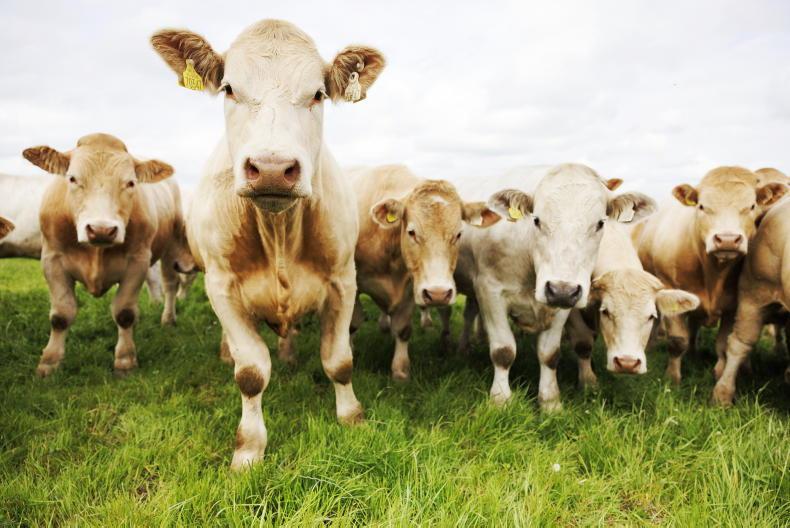
Since the end of January, cattle from the Republic of Ireland can only move to NI for direct slaughter since the detection of bluetongue.
Breeding animals and store cattle are currently banned from entering NI as a result.
However, following a meeting this Thursday afternoon between ICOS, the Department of Agriculture and other stakeholders, ICOS has urged the authorities in Ireland, NI and the EU to further intensify engagement and co-operation to restore normal cattle movements across the border.
“There are encouraging signals that the Department may apply for an EU derogation on movements next week and in consultation with authorities in Northern Ireland, it is hoped to have livestock moving within two to three weeks.
“We are very appreciative of the work being done by the Department in bringing forward meaningful solutions.
“The potential for a derogation on bluetongue virus (BTV) requirements can apply to all EU member states,” Doyle said.
Options
“The Department presented a number of options of which we believe the most favourable would be to allow movements without additional bluetongue requirements if BTV-3 is the only variant circulating.
“However, within this option, the Department have advised that extra rules would apply, when moving animals, if there are other bluetongue types circulating as well (for example BTV-1, 4, 5, 8 or 12, in addition to or instead of BTV-3),” he said.
The ICOS representative said that, in these cases outlined above, animals would have to meet at least one of the approved options set out in regulation.
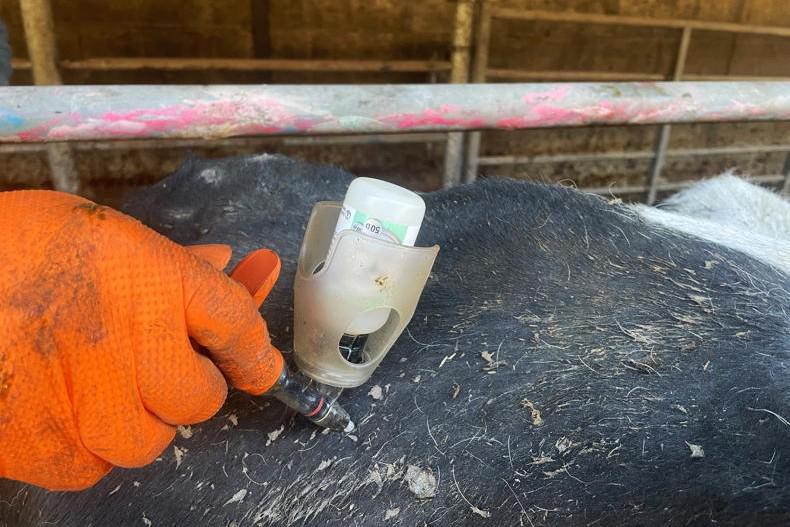
“One of those options is that the animal must either be vaccinated against, or have antibodies to, every bluetongue type that is circulating in that country and it must also have a negative PCR blood test to show it is not currently infected.
“A co-ordinated, science-based and proportionate approach is essential,” he said.
Veterinary advice
Doyle repeated recommendations for farmers, made earlier this week by ICOS president Edward Carr, on seeking veterinary advice.
“With bluetongue now appearing in more parts of the country than first anticipated, farmers can’t afford to take a wait-and-see approach. As we head into a critical breeding season, protecting herd fertility and overall health must be the priority.
“The best step any farmer can take right now is to consult their vet, assess the risk in their own circumstances and make an informed decision on vaccination. Early advice and proactive planning could make all the difference in limiting the impact of this disease.
“If there is a derogation and a solution as outlined, then vaccination is likely to form a key part of that solution,” he said.
Swift progress
The cross-border livestock trade is deeply integrated and prolonged disruption will benefit absolutely nobody, Doyle added.
“Practical and workable solutions must now be finalised without unnecessary delay to allow trade to resume safely, safeguard farm incomes and restore confidence across the all-island agri-food sector.
“We believe swift progress is achievable. Most third-country export certificates have been resolved or are close to resolution and we are hopeful the Northern Ireland position can also be addressed despite its added certification complexities.
"While BTV-3 vaccines cannot yet underpin certification for breeding or further feeding movements, the slaughter trade can continue provided herds are free from bluetongue in the previous 30 days,” he said.
Read more
Bluetongue restrictions to NI to be discussed with Department
Fury over live export ban to NI
The Department of Agriculture may apply for an EU derogation next week which would allow for the live export trade to reopen fully with Northern Ireland (NI), Irish Co-operative Organisation Society (ICOS) livestock and environmental services executive Ray Doyle has said.
Since the end of January, cattle from the Republic of Ireland can only move to NI for direct slaughter since the detection of bluetongue.
Breeding animals and store cattle are currently banned from entering NI as a result.
However, following a meeting this Thursday afternoon between ICOS, the Department of Agriculture and other stakeholders, ICOS has urged the authorities in Ireland, NI and the EU to further intensify engagement and co-operation to restore normal cattle movements across the border.
“There are encouraging signals that the Department may apply for an EU derogation on movements next week and in consultation with authorities in Northern Ireland, it is hoped to have livestock moving within two to three weeks.
“We are very appreciative of the work being done by the Department in bringing forward meaningful solutions.
“The potential for a derogation on bluetongue virus (BTV) requirements can apply to all EU member states,” Doyle said.
Options
“The Department presented a number of options of which we believe the most favourable would be to allow movements without additional bluetongue requirements if BTV-3 is the only variant circulating.
“However, within this option, the Department have advised that extra rules would apply, when moving animals, if there are other bluetongue types circulating as well (for example BTV-1, 4, 5, 8 or 12, in addition to or instead of BTV-3),” he said.
The ICOS representative said that, in these cases outlined above, animals would have to meet at least one of the approved options set out in regulation.
“One of those options is that the animal must either be vaccinated against, or have antibodies to, every bluetongue type that is circulating in that country and it must also have a negative PCR blood test to show it is not currently infected.
“A co-ordinated, science-based and proportionate approach is essential,” he said.
Veterinary advice
Doyle repeated recommendations for farmers, made earlier this week by ICOS president Edward Carr, on seeking veterinary advice.
“With bluetongue now appearing in more parts of the country than first anticipated, farmers can’t afford to take a wait-and-see approach. As we head into a critical breeding season, protecting herd fertility and overall health must be the priority.
“The best step any farmer can take right now is to consult their vet, assess the risk in their own circumstances and make an informed decision on vaccination. Early advice and proactive planning could make all the difference in limiting the impact of this disease.
“If there is a derogation and a solution as outlined, then vaccination is likely to form a key part of that solution,” he said.
Swift progress
The cross-border livestock trade is deeply integrated and prolonged disruption will benefit absolutely nobody, Doyle added.
“Practical and workable solutions must now be finalised without unnecessary delay to allow trade to resume safely, safeguard farm incomes and restore confidence across the all-island agri-food sector.
“We believe swift progress is achievable. Most third-country export certificates have been resolved or are close to resolution and we are hopeful the Northern Ireland position can also be addressed despite its added certification complexities.
"While BTV-3 vaccines cannot yet underpin certification for breeding or further feeding movements, the slaughter trade can continue provided herds are free from bluetongue in the previous 30 days,” he said.
Read more
Bluetongue restrictions to NI to be discussed with Department
Fury over live export ban to NI





SHARING OPTIONS