


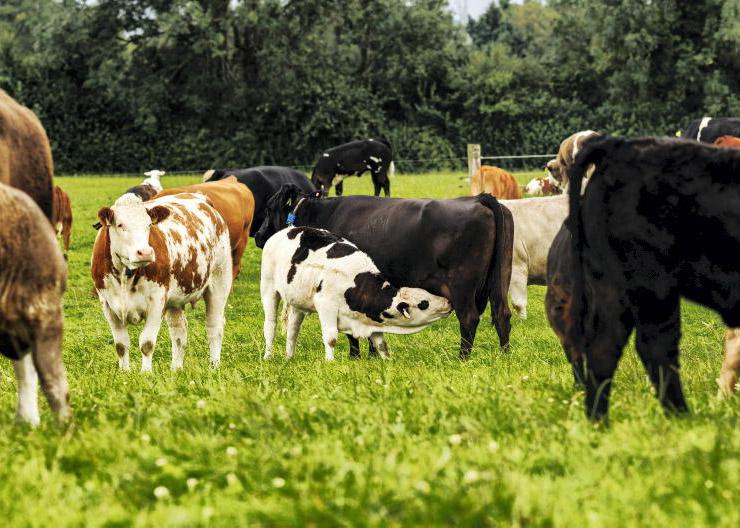
TB reactor compensation ceilings out-of-whack with the current market value of live cattle have left one suckler farmer having to stump up over €38,000 if he is to replace the reactors removed from his herd with similar stock.
“All I want is to be paid what my cattle were worth,” Tony Sheehan from near Rathmore, Co Kerry told the Irish Farmers Journal this week.
Current Department of Agriculture reactor compensation ceilings as set out in the On-Farm Market Valuation Scheme are €3,000 for commercial cattle and €5,000 for pedigrees.
An outbreak in Sheehan’s herd last year saw the removal of 63 cattle, around two-thirds of which were well-bred continental-cross suckler cows.
While the €3,000 cap paid out on commercial reactors covered weanlings and bulling heifer valuations, his suckler cows were valued at an average of €833 over this limit and in-calf heifers came in just over €1,000/head more.
“If I was to get replacement cows with the compensation I got for those that were taken out, I would only be able to buy 25 to 30 cows. I could go out and buy heifers to put to the bull instead, but either option would leave me with less calves than I would have had at my normal numbers,” Sheehan said.
“I spent 10 years building the herd up, how am I meant to get back to the level I was at?”
The cost of replacing the reactors is not the only barrier to building back numbers that the farmer faces.
“It is difficult to try and replace the cattle that were removed all from the one place, with stock of similar quality and breeding.
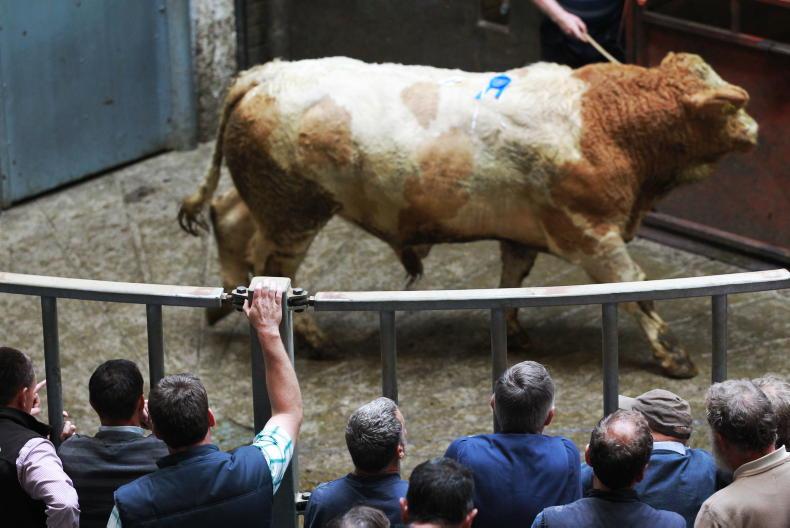
“I am keeping an eye out for herd clearance sales. You don’t want to go building numbers up from too many different herds, that would increase the risk of going down again, but replacing what I had would still leave me down serious money no matter what way I went about it.
“But the biggest problem is that if I took the €38,000 hit, there’s nothing to say that I wouldn’t be down with TB in a year’s time and face the same loss all over again.”
Rapid spread of the disease
The speed at which TB swept through Sheehan’s herd shows the viciousness of the disease, with the all-clear in April 2025’s herd test now a distant memory.
The pre-movement testing of 25 weanling bulls last December threw up six reactors.
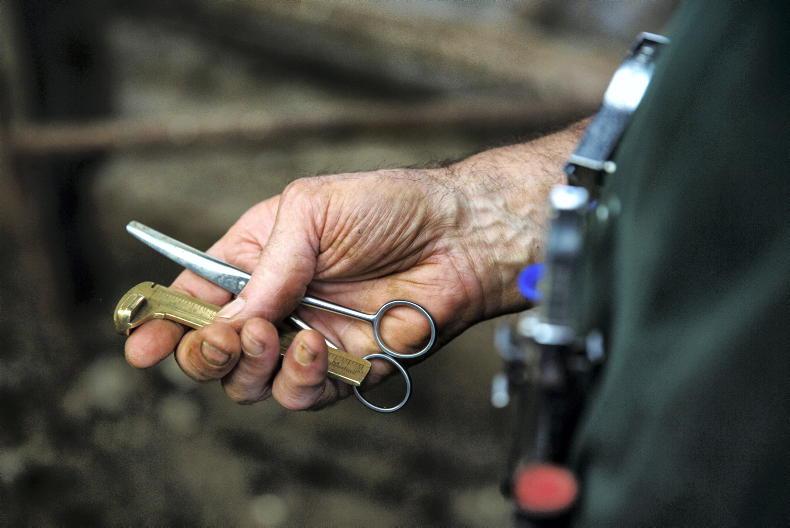
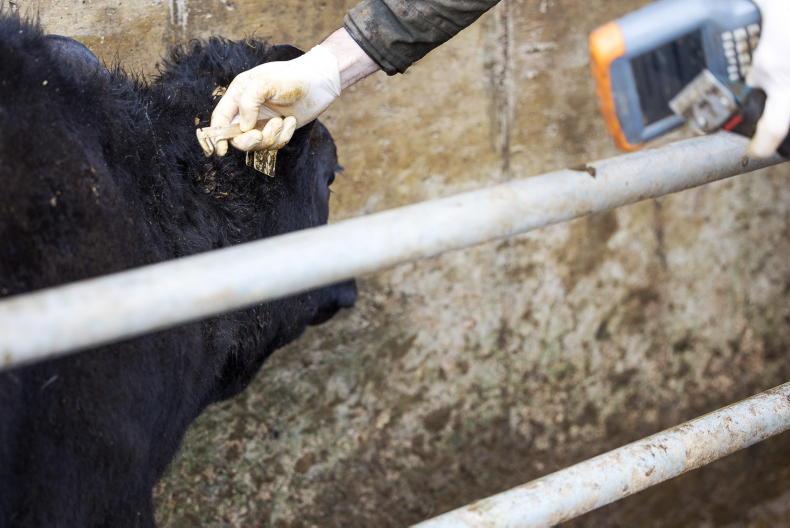
A whole-herd skin test the following week showed up another 51 reactors, while a follow-up blood test led to the removal of six more cattle.
The herd has since tested clear. The farmer called for the funding allocation for researching TB testing and diagnostics to be prioritised to ensure accuracy in tests to maintain farmer confidence in the measures in place.
“We know that the tests are not entirely accurate, either the skin test or the blood test. We need to have confidence that the tests are working, that they pick up all the cattle that do have TB but do not flag the cattle that don’t.”
Sheehan also stated that it should be noted that the Department does recoup some of the funding spent on compensating farmers for reactors through the salvage value of the carcase.
“With well-bred suckler cows, this value should easily come to €2,000 so a certain amount of the compensation paid out is got back,” he said.


SHARING OPTIONS