The last 12 months will be hard to repeat in 2026 with 2025 going down as one of the best years farming for many.
The stars aligned with price, costs and weather all coming together to leave a very positive year behind for both suckler farmers and beef finishers.
The big question on everybody’s mind will be what will the next 12 months be like for prices and other issues that affect both beef and suckler farmers. We take a look at some of the big talking points for 2026.
The much talked-about Mercosur trade deal is coming close to its end point with EU representatives voting through one of the final parts of the deal last Friday.
The next hurdle is the EU parliament with a vote expected to take place in the next few weeks.
Seven hundred and twenty MEPs will vote and the deal needs a simple majority of 361 votes needed to pass the deal in the EU parliament.

Ursula von der Leyen will likely sign off on the Mercosur trade deal in 2026.
Current indications are that the vote will pass but some Brussels sources would suggest that it may not be that simple with a lot of unrest around Europe.
Should the deal pass the extra Mercosur beef is likely to hit Europe before 2026 is over.
Sticking with Europe the next CAP funding framework is also set to be complete by the end of 2026.
At the moment there is a 22% cut proposed to the CAP budget post 2027 which would have a detrimental affect on Irish beef farmers.
While the effect wouldn’t be felt in 2026, it’s still one of the most important items that could be completed under an Irish EU presidency at the end of 2026.
It will also be a nervous summer in relation to bluetongue.
A number of outbreaks in Northern Ireland means that midges have been circulating with the disease and some experts are predicting an almost inevitable outbreak in 2026.
A clear plan around vaccination and also what happens animal movements in the face of an outbreak is essential.
We saw massive confusion in Northern Ireland in the midst of the outbreak in Co Down. This can be avoided in ROI in that we know there the likelihood is high that an outbreak will occur in 2026 so the plan should be formulated and communicated to farmers in good time.
After a disappointing end to 2025 in relation to weanling exports, there are hopes that 2026 will bring some good news on the exports front.
There are close to 8000 weanlings currently ready to leave the country on a number of shipments and there are hopes that these boats will be returning for further consignments of weanlings within the next few months.
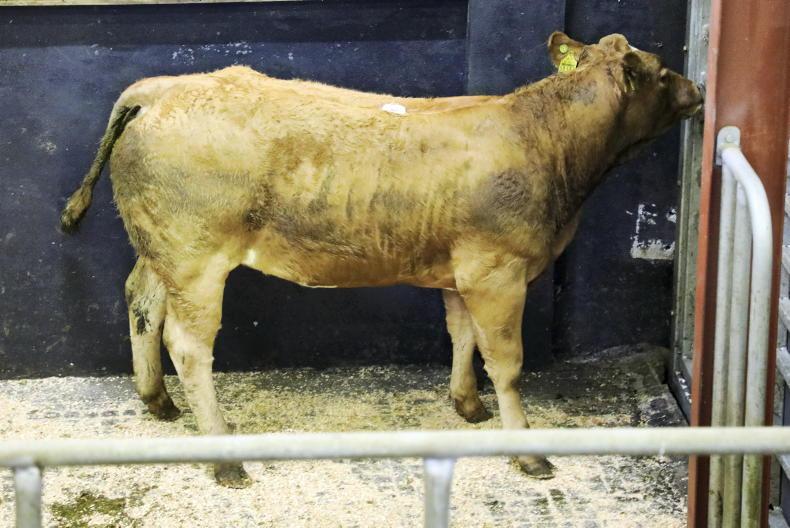
The outlook for weaning exports looks good for the first half of 2026.
The North African trade could run into difficulty should bluetongue reach ROI with health certs more difficult to amend as opposed to health certs within the European trading block.
There will likely be a big push to get weanlings exported before the high-risk period of May to October for midge activity.
All eyes will also be on calf exports for the first few months of 2026.
Current indications from calf exporters is that demand is good with several exporters already purchasing small numbers of calves for export.
A big climb in beef price from April 2025 onwards set new heights for the calf trade during the later spring months and it remains to be seen whether those dizzy heights will be hit again this year.
Much of the new interest in calves including reared calves came from farmers who would have usually been buying top quality weanlings.
High prices meant they had to trade down to keep with the same number of cattle.
A further reduction in cattle numbers available for slaughter in 2026 should help to keep finished numbers tight. The last six weeks of 2025 finished up as a negative time for beef quotes with 60 cent/kg being wiped off base prices in the last few weeks of 2025.
The first two weeks of 2026 have started more positively, with factory agents active for finished cattle and quotes rising by 10 cent/kg.
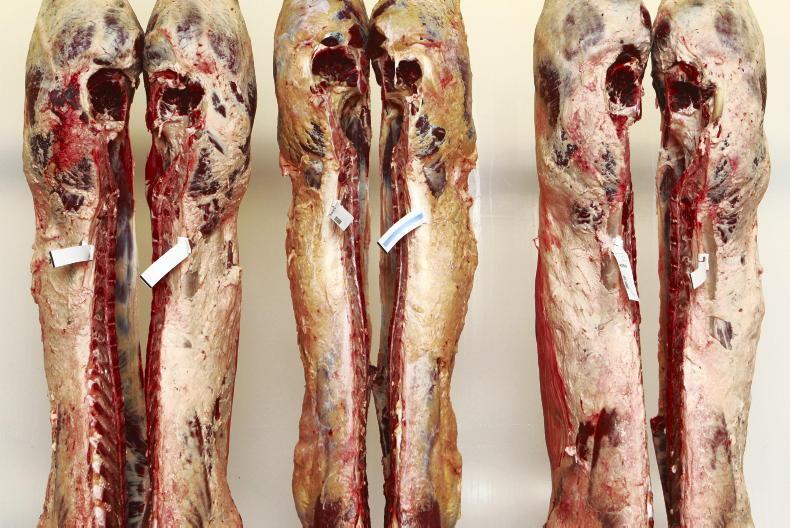
Beef prices look set to stay high with tight supplies underpinning price in 2026.
The short to medium term outlook for beef prices is positive, with beef production contracting across Europe and indeed the world. Consumption in the UK and European market has taken a hit with higher prices denting volumes of beef being purchased by shoppers.
Succession and
suckler numbers
Succession remains a huge issue on dry stock farms with more and more farmers getting out of suckler cows every year. Macra have called for the rollout of recommendations outlined in the Commission for Generational renewal report stating that waiting until the rollout of the next CAP in 2028 as being too late for many young farmers.
There were 24,367 fewer births to suckler cows in 2025 compared to the previous 12 months.
There were 683,819 calves registered to suckler cows in 2025. It will be interesting to follow the 2026 registrations and see will the higher prices in 2025 have any effect on registrations and stem the decline in suckler cow numbers.
Our succession issues could run deeper than just price with higher levels of education and opportunities pulling young people away from farming as a career.
The last 12 months will be hard to repeat in 2026 with 2025 going down as one of the best years farming for many.
The stars aligned with price, costs and weather all coming together to leave a very positive year behind for both suckler farmers and beef finishers.
The big question on everybody’s mind will be what will the next 12 months be like for prices and other issues that affect both beef and suckler farmers. We take a look at some of the big talking points for 2026.
The much talked-about Mercosur trade deal is coming close to its end point with EU representatives voting through one of the final parts of the deal last Friday.
The next hurdle is the EU parliament with a vote expected to take place in the next few weeks.
Seven hundred and twenty MEPs will vote and the deal needs a simple majority of 361 votes needed to pass the deal in the EU parliament.
Ursula von der Leyen will likely sign off on the Mercosur trade deal in 2026.
Current indications are that the vote will pass but some Brussels sources would suggest that it may not be that simple with a lot of unrest around Europe.
Should the deal pass the extra Mercosur beef is likely to hit Europe before 2026 is over.
Sticking with Europe the next CAP funding framework is also set to be complete by the end of 2026.
At the moment there is a 22% cut proposed to the CAP budget post 2027 which would have a detrimental affect on Irish beef farmers.
While the effect wouldn’t be felt in 2026, it’s still one of the most important items that could be completed under an Irish EU presidency at the end of 2026.
It will also be a nervous summer in relation to bluetongue.
A number of outbreaks in Northern Ireland means that midges have been circulating with the disease and some experts are predicting an almost inevitable outbreak in 2026.
A clear plan around vaccination and also what happens animal movements in the face of an outbreak is essential.
We saw massive confusion in Northern Ireland in the midst of the outbreak in Co Down. This can be avoided in ROI in that we know there the likelihood is high that an outbreak will occur in 2026 so the plan should be formulated and communicated to farmers in good time.
After a disappointing end to 2025 in relation to weanling exports, there are hopes that 2026 will bring some good news on the exports front.
There are close to 8000 weanlings currently ready to leave the country on a number of shipments and there are hopes that these boats will be returning for further consignments of weanlings within the next few months.
The outlook for weaning exports looks good for the first half of 2026.
The North African trade could run into difficulty should bluetongue reach ROI with health certs more difficult to amend as opposed to health certs within the European trading block.
There will likely be a big push to get weanlings exported before the high-risk period of May to October for midge activity.
All eyes will also be on calf exports for the first few months of 2026.
Current indications from calf exporters is that demand is good with several exporters already purchasing small numbers of calves for export.
A big climb in beef price from April 2025 onwards set new heights for the calf trade during the later spring months and it remains to be seen whether those dizzy heights will be hit again this year.
Much of the new interest in calves including reared calves came from farmers who would have usually been buying top quality weanlings.
High prices meant they had to trade down to keep with the same number of cattle.
A further reduction in cattle numbers available for slaughter in 2026 should help to keep finished numbers tight. The last six weeks of 2025 finished up as a negative time for beef quotes with 60 cent/kg being wiped off base prices in the last few weeks of 2025.
The first two weeks of 2026 have started more positively, with factory agents active for finished cattle and quotes rising by 10 cent/kg.
Beef prices look set to stay high with tight supplies underpinning price in 2026.
The short to medium term outlook for beef prices is positive, with beef production contracting across Europe and indeed the world. Consumption in the UK and European market has taken a hit with higher prices denting volumes of beef being purchased by shoppers.
Succession and
suckler numbers
Succession remains a huge issue on dry stock farms with more and more farmers getting out of suckler cows every year. Macra have called for the rollout of recommendations outlined in the Commission for Generational renewal report stating that waiting until the rollout of the next CAP in 2028 as being too late for many young farmers.
There were 24,367 fewer births to suckler cows in 2025 compared to the previous 12 months.
There were 683,819 calves registered to suckler cows in 2025. It will be interesting to follow the 2026 registrations and see will the higher prices in 2025 have any effect on registrations and stem the decline in suckler cow numbers.
Our succession issues could run deeper than just price with higher levels of education and opportunities pulling young people away from farming as a career.








SHARING OPTIONS