


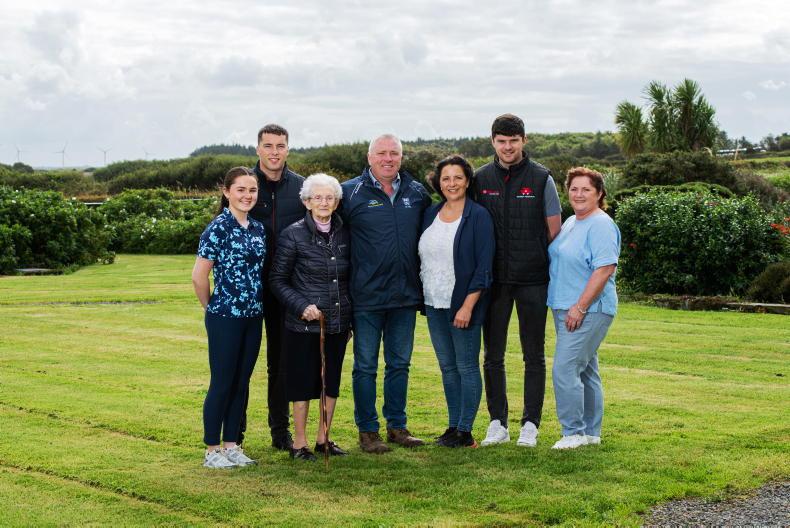
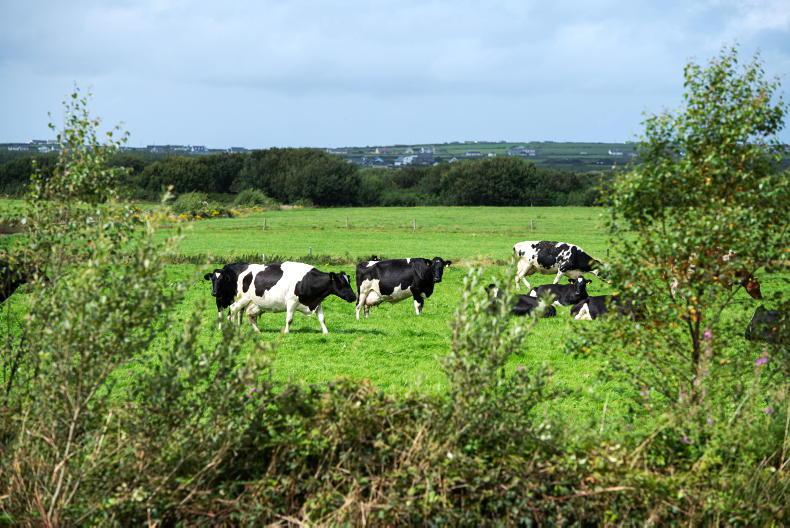
Few farms can match the blend of history, resilience and biodiversity found at Newtown, Doonbeg, Co Clare, where Andrew and Bernadette Killeen, and their son James, milk 110 cows on heavy Clare soil.
The Killeen farm is not just a productive dairy holding, it is a living heritage, where five generations have farmed, and where Greenland White-fronted geese and Whooper swans graze each winter.
Andrew, the youngest of seven children, took over the farm at just 20. He inherited not just land, but a love of animals from his mother, now 97, who still lives there. Until recently, she kept notes on farm performance and proudly came out to meet the judges, ensuring her son was “flying the flag” for their special holding.
Andrew’s father, who died in 2006, was remembered as a man ahead of his time, the first in the parish with a car, quick to make silage and a breeder of sports horses. That equine tradition still runs in the family, with Andrew’s brother keeping the practice alive.
From humble beginnings milking just 24 cows in 1994, Andrew has grown the herd to over 100, combining land purchase with careful leasing. In 2001 he was crowned Young Farmer of the Year, when the farm carried both dairy and beef enterprises. Progress has not been without setbacks: a BSE case in 2004 meant a full herd depopulation, and it took until 2012 before Andrew rebuilt the herd he wanted.
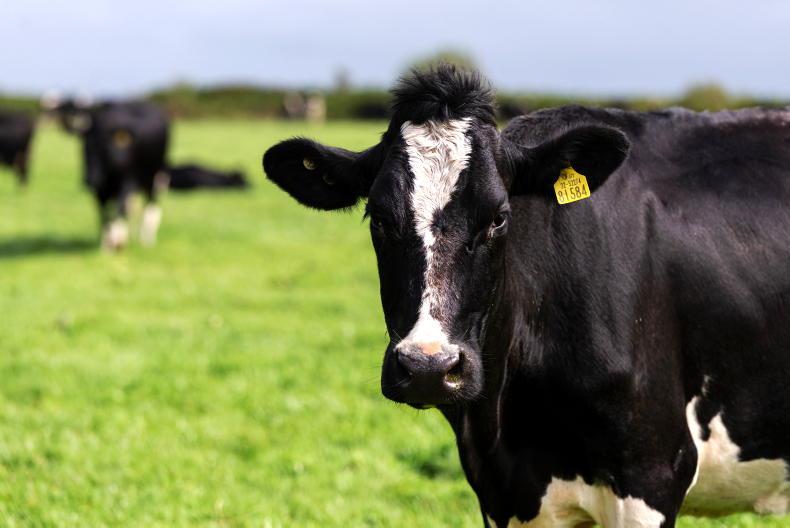
Today, the herd carries an EBI of €250 (before the EBI change), with replacements at €284, among the top 1% nationally. Breeding is forward-looking: sexed semen on the best cows and heifers, AI beef selected for easy calving and dairy beef value, and a strong health sub-index.
Their calving runs February to April, with calves reared on-farm and automatic feeders ensuring consistency. Cell counts are closely watched, CMT testing is used on suspect quarters, and the farm has embraced selective dry cow therapy, aggressively reducing antibiotic use while protecting animal health.
Sustainability is more than a buzzword here. With 40% of the platform designated SAC, Andrew and Bernadette farm sensitively.
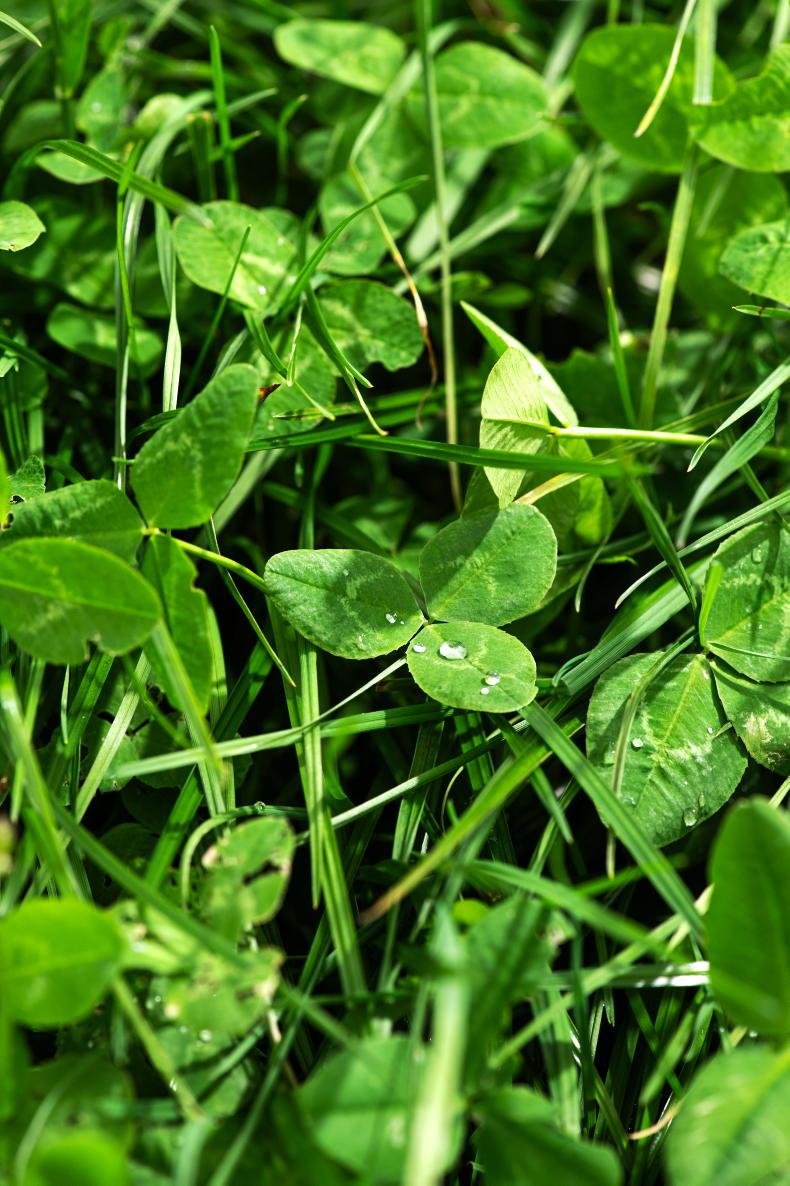
They are part of the Farming for Water EIP programme, installing bunded drains, sediment traps and reed beds. Clover in grazing platform and red clover silage are incorporated to reduce nitrogen demand and boost protein in the diet, while GPS slurry spreading, LESS technology, and protected urea have helped cut the carbon footprint to 0.91. Two ponds, new hedges, and a hare’s corner enrich the biodiversity of the farm, which also supports owls, kestrels, foxes, pheasants, and the overwintering swans and geese.
Bernadette has always combined hard work on the farm with a spirit of entrepreneurship, having run both a B&B and a taxi service. James, who completed a dairy business degree at UCD during Covid, has returned home full-time, bringing new skills in grassland management, herd health and breeding. His siblings, Cathal and Caragh, lend a hand at weekends.
James is also a talented footballer, lining out for Doonbeg at senior level, and was fighting fit and gearing up for the club championship when the judges arrived.
Beyond the farm gate, Andrew and Bernadette are pillars of their community, from parish council and school boards to drama festivals, choirs and the GAA. Andrew is chair of the West Clare Drama Festival and treasurer of the Doonbeg club, while Bernadette serves as parish council chair.
The Killeens are farming against the odds on heavy soil in a depopulating parish, where even the primary school struggles for numbers. Yet just five miles away, Trump’s Doonbeg resort has created employment for local youth, and traditional music and dance still thrive.
In this landscape of change, the Killeen farm stands as a beacon of sustainable dairying, rooted in history, but with eyes firmly on the future.





SHARING OPTIONS