


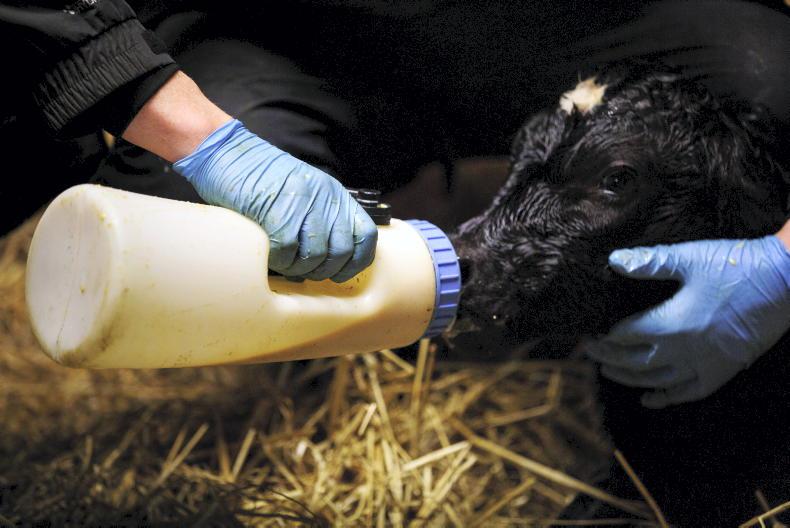
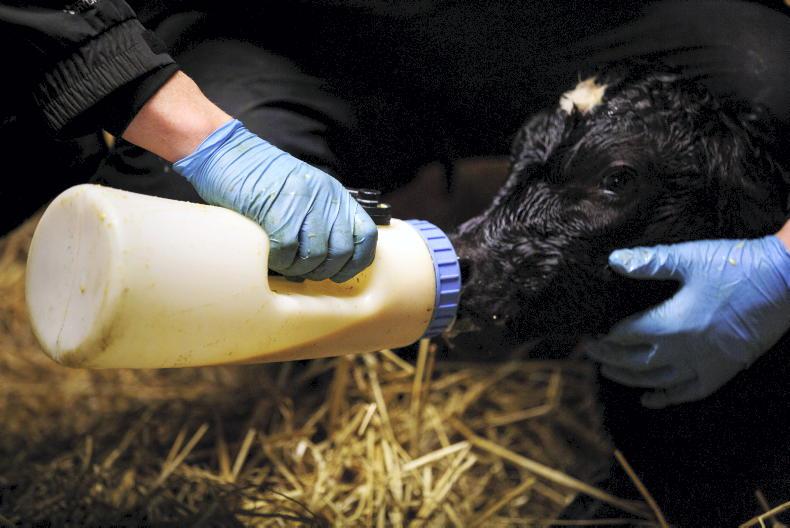
Before long, the first of the calves will start dropping and the cycle of madness will begin again on spring-calving herds up and down the county.
There is however, a window of opportunity left to reflect on the year that’s gone by and to start building good habits for the year ahead.
Reflecting
Sitting down and looking back can be difficult for most. No one wants to appear as if they are being idle or taking things handy!
That logic is nothing short of stupidity and should be left in the past.
Reflecting on what worked well and what didn’t work so well, over the course of the year will identify key learnings for the year ahead.
For some this might entail a detailed process with budgets and cashflows, which is great. For others it can be as simple as a pen and a sheet of paper with a couple of key bullet points. Either of the two options is going to offer a valuable return in the future.
To run a profitable farm business or any business for that matter, it’s essential to dedicate time towards reflection and planning. That’s where the real money can be made and lifestyle improvements gained.
Good habits
When the reflection is done and the key takeaways identified it’s time to start looking forward.
Spring is a busy time for all farmers but for dairy farmers in particular it can be a time of burnout and stress unless good habits are put in place.
There’s no avoiding the extra workload but it’s putting simple practices in place that can help us cope.
It’s all well and good looking after the cows in the spring but if the farmers not in a good place themselves, everything else will inevitably suffer.
1. Sleep
No one, no matter who they are can function or operate well without a solid night’s sleep. The science proves this.
Unfortunately, night calvings, feeding colostrum to calves or jobs just running on late can hinder a good sleep. On larger scale farms where extra labour is available the workload can be shared out, but this isn’t the case for everyone.
The key is to try and find some consistency in a routine. Getting eight hours sleep is not going to be possible every night but sleep research shows, the next best thing is consistency in bed and wake times.
If it’s getting to bed at 10.30pm and waking up at 5.30am, stick to that as often as possible. This consistency will help prevent the body from burning out and will balance out the issue of less hours slept to some extent.
A night check might be required in the middle of that sleep for some farmers but the consistency of bed and wake times will help with falling back to sleep straight away.
On days off or weekends off for those that have them, catch up on sleep. For those that don’t get time off, nap whenever possible during the day but try and avoid naps late in the evening as it will throw the sleep pattern off.
2. Food
While it can be a difficult thing to do with time at a minimum, eating well can be a saviour when it comes to avoiding burnout.
Eating healthily with little time available can be difficult, as most of the quick and simple options are typically high in fat and sugars.
Like with sleep, finding a routine of eating and preparing food will help keep the body healthy throughout the busy months.
Over the next three weeks before calving starts, start building a routine with plenty of healthy and whole foods so that it’s second-nature at the beginning of February.
Eating well doesn’t mean starving oneself of the biscuits or the bars. These can form part of the routine so long as 80% of the diet is made up of foods like eggs, meats, fish, vegetables, fruits and of course dairy.
Avoid the breakfast rolls and deli food and give yourself an extra ten or fifteen minutes to cook something simple.
A lot of jobs are essential in spring but there’s without doubt several that could be delayed slightly and that time spent cooking something more nutritious.
3. Hydration
Water is another very important part of a good diet. Aim for two or three litres a day and the key is to have it handy or nearby and to keep sipping away throughout the day.
A handy method of getting two litres in, is to fill a small 500ml bottle up before going out for the morning milking, again at breakfast, then at lunch and once more after evening milking. Leave the bottle in the parlour or wherever you’re working and before you know it the bottle will be empty.
Another excellent little help is hydration tablets. Get your hands on a tube of O.R.S electrolyte tablets for example from the local pharmacy and have one of these dissolved in water every morning, it’ll be surprising how much better the body and mind will feel. The packet of dissolvable tablets is €10 for 24 days and taste good.
Avoid bottles or cans of fizzy drinks and red bulls. Stick to the water, teas and coffees to keep the head right and energy levels up.
Last but not least is to take a good multivitamin tablet every day. This should help to keep the flu and colds at bay.




SHARING OPTIONS