


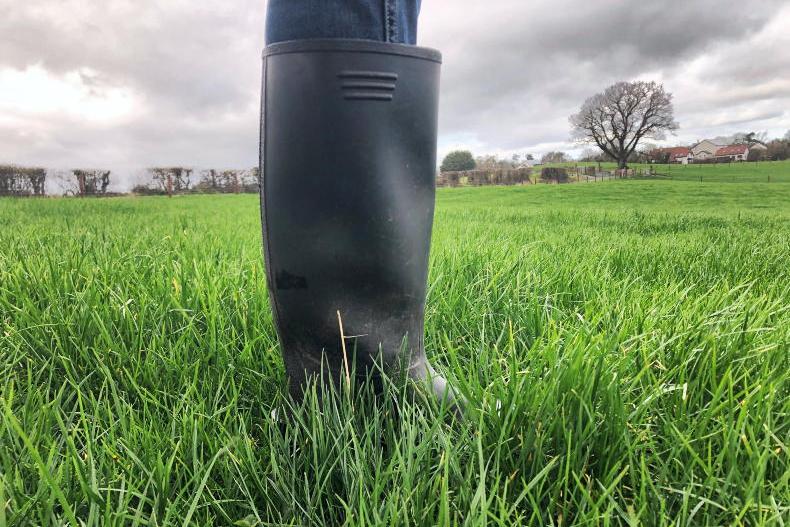
February is now over and most farmers will breathe a sigh of relief for that fact alone.
Near-relentless rainfall, which saw very few if any totally dry days, has meant that land is wet and field work has been delayed.
That field work includes a return to grazing. The result is that grazing targets have been missed, fertiliser targets have been missed and farms are full to the brink of slurry, with only the bare minimum having been applied since the open season began up to six weeks ago.
The forecast for the coming week is a lot better, with mostly dry days, although there are some wet days forecast also.
What will prove important is that there will be a number of days in a row where it will not rain and this will facilitate land to dry out.
Land will dry out quickly at this time of year, with longer daylight hours and windy conditions.
How long it actually takes for land to dry out enough for cows to graze or tractors to travel without doing damage depends on soil type.
Monitor
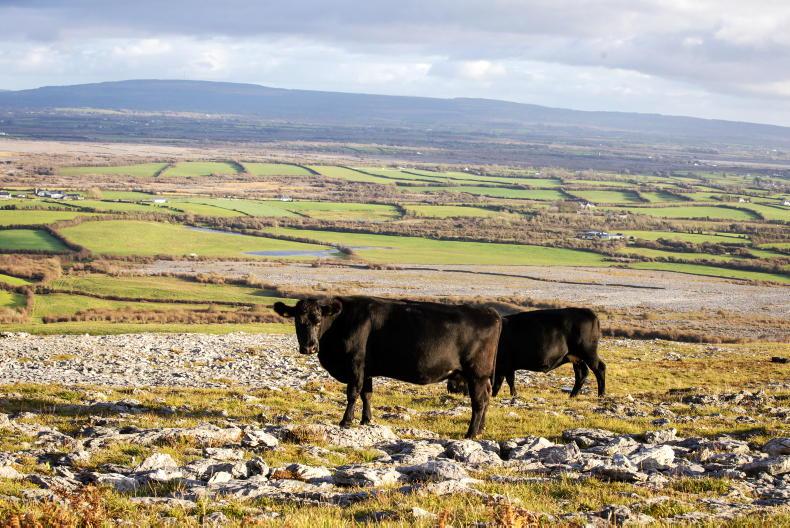
Free-draining soils, particularly over limestone bedrock, dries out the fastest, while soils with deep clay contents take much longer.
There is no one-size-fits-all approach when it comes to knowing when it's ok to graze. It’s not just farm specific, it’s actually field specific and even within fields there will be dry parts and wet parts.
The best farmers continually monitor the situation and make decisions quickly around when to let cows out and where to put them.
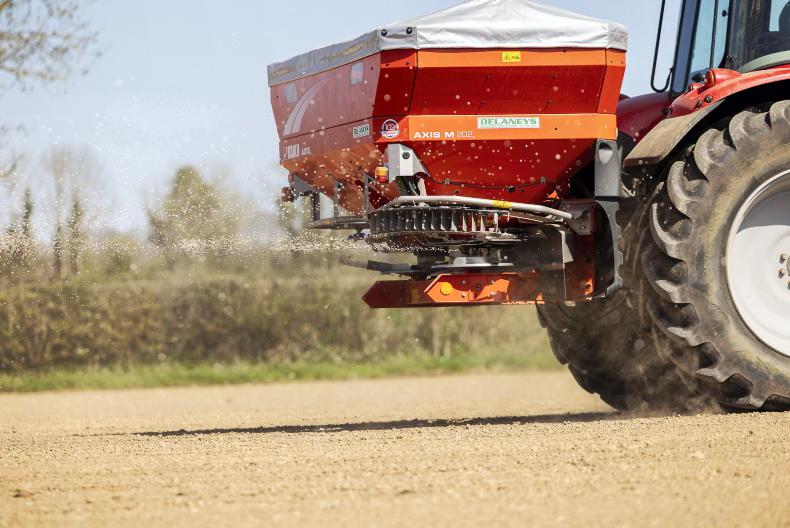
The same applies to spreading fertiliser. This is going to be a key task for farmers this week if conditions improve.
While it’s likely that not all parts of the farm will be able to be applied with fertiliser, getting it on to parts of the farm will be an important step in ensuring these parts grow more grass over the next few weeks.



SHARING OPTIONS