Farmers that planned a late second cut or a third cut of silage are looking at cutting these fields over the next few weeks. Making silage in the autumn is harder than the summer. There could be a lot of ‘soupy’ silage made over the coming weeks. The first thing to note is that nitrate levels are higher than normal this autumn, as there is more nitrogen available to the plant – both from what was applied and what is available in the soil. High nitrate levels affect the buffering capacity of silage. Basically, the pH won’t drop. Normally, a good wilt will elevate the sugars and overcome the nitrates, but the opportunities for wilting now are poor. Even on dry mornings there is a dew until midday and the evenings are closing in also. For best results, try and get two dry days together and cut in the middle of the day. If using a conditioner mower, ted it out the following day and pick it up that afternoon. If using an ordinary mower, ted it out after mowing. Acid- or sugar-based additives will help with preservation if nitrate levels or moisture content is very high. When to cut depends on the cover of grass on the silage fields and how soon you need the grass back for other stock. It’ll take at least three weeks for grass to recover enough for even a light grazing. This means that it’ll be mid- to late-October before fields cut this week can be grazed again.
Fertiliser
ADVERTISEMENT
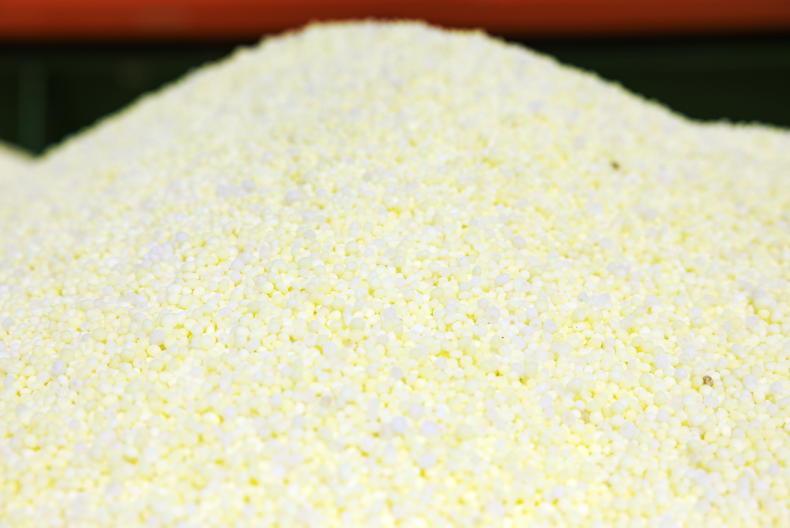
I know cash is scarce on a lot of dairy farms, but what if I said you could buy next years’ silage now for a fraction of the price. I’d be making an educated guess that over 90% of silage fields in Ireland are deficient in both lime and potash. Now is the best time to spread both. The lime will cost about €23/t delivered and spread. Spreading 2t/acre will cost €46/acre. Muriate of potash (MOK 50%) is costing around €340/t. Spread potash now to build up soil fertility. Spreading one bag/acre will cost €17/acre and over a few years it’ll lift the soil index. The return from lime and potash will be extra trailer loads of silage next summer. There are still two weeks left to spread nitrogen and phosphorus on grassland before the start of the closed period. There is a good economic response to nitrogen in the autumn. On reasonably dry farms, I would blanket-spread the farm at a rate of one unit of nitrogen/day to get you to the end of the month and then go with 20-30 units/acre on the last day of September.
Calves
Dairy heifer calves should be in or around the 200kg liveweight mark now, or around 35% of their mature liveweight. This is a really important time to sort out the light calves. Put them in a group of their own and feed them meal and nicer grass. Some will run them on ahead of the bigger bunch. This is okay, provided the balance is right and both groups are moving regularly. Whether or not to go in with meal depends on weights relative to targets. Remove any bull calves from heifers and either squeeze them or keep them away, as some weanlings are showing bulling activity.
Register for free to read this story and our free stories.
This content is available to digital subscribers and loyalty code users only. Sign in to your account, use the code or subscribe to get unlimited access.
The reader loyalty code gives you full access to the site from when you enter it until the following Wednesday at 9pm. Find your unique code on the back page of Irish Country Living every week.
CODE ACCEPTED
You have full access to the site until next Wednesday at 9pm.
CODE NOT VALID
Please try again or contact support.
Silage
Farmers that planned a late second cut or a third cut of silage are looking at cutting these fields over the next few weeks. Making silage in the autumn is harder than the summer. There could be a lot of ‘soupy’ silage made over the coming weeks. The first thing to note is that nitrate levels are higher than normal this autumn, as there is more nitrogen available to the plant – both from what was applied and what is available in the soil. High nitrate levels affect the buffering capacity of silage. Basically, the pH won’t drop. Normally, a good wilt will elevate the sugars and overcome the nitrates, but the opportunities for wilting now are poor. Even on dry mornings there is a dew until midday and the evenings are closing in also. For best results, try and get two dry days together and cut in the middle of the day. If using a conditioner mower, ted it out the following day and pick it up that afternoon. If using an ordinary mower, ted it out after mowing. Acid- or sugar-based additives will help with preservation if nitrate levels or moisture content is very high. When to cut depends on the cover of grass on the silage fields and how soon you need the grass back for other stock. It’ll take at least three weeks for grass to recover enough for even a light grazing. This means that it’ll be mid- to late-October before fields cut this week can be grazed again.
Fertiliser
I know cash is scarce on a lot of dairy farms, but what if I said you could buy next years’ silage now for a fraction of the price. I’d be making an educated guess that over 90% of silage fields in Ireland are deficient in both lime and potash. Now is the best time to spread both. The lime will cost about €23/t delivered and spread. Spreading 2t/acre will cost €46/acre. Muriate of potash (MOK 50%) is costing around €340/t. Spread potash now to build up soil fertility. Spreading one bag/acre will cost €17/acre and over a few years it’ll lift the soil index. The return from lime and potash will be extra trailer loads of silage next summer. There are still two weeks left to spread nitrogen and phosphorus on grassland before the start of the closed period. There is a good economic response to nitrogen in the autumn. On reasonably dry farms, I would blanket-spread the farm at a rate of one unit of nitrogen/day to get you to the end of the month and then go with 20-30 units/acre on the last day of September.
Calves
Dairy heifer calves should be in or around the 200kg liveweight mark now, or around 35% of their mature liveweight. This is a really important time to sort out the light calves. Put them in a group of their own and feed them meal and nicer grass. Some will run them on ahead of the bigger bunch. This is okay, provided the balance is right and both groups are moving regularly. Whether or not to go in with meal depends on weights relative to targets. Remove any bull calves from heifers and either squeeze them or keep them away, as some weanlings are showing bulling activity.
If you would like to speak to a member of our team, please call us on 01-4199525.
Link sent to your email address
We have sent an email to your address. Please click on the link in this email to reset your password. If you can't find it in your inbox, please check your spam folder. If you can't find the email, please call us on 01-4199525.
ENTER YOUR LOYALTY CODE:
The reader loyalty code gives you full access to the site from when you enter it until the following Wednesday at 9pm. Find your unique code on the back page of Irish Country Living every week.






SHARING OPTIONS