Every job carries a level of importance during the spring period but on the back of a few days of dry weather some jobs have jumped up the priority list. Here are five of the top priorities for farms over the next week.
1. Grazing
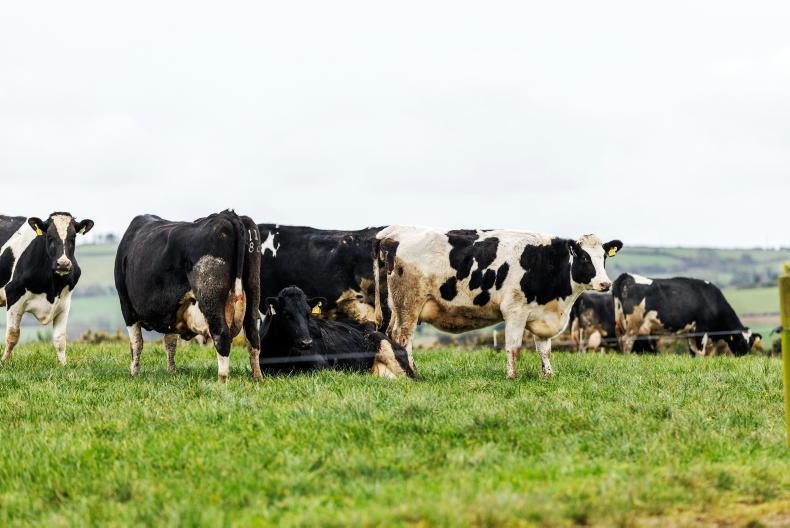
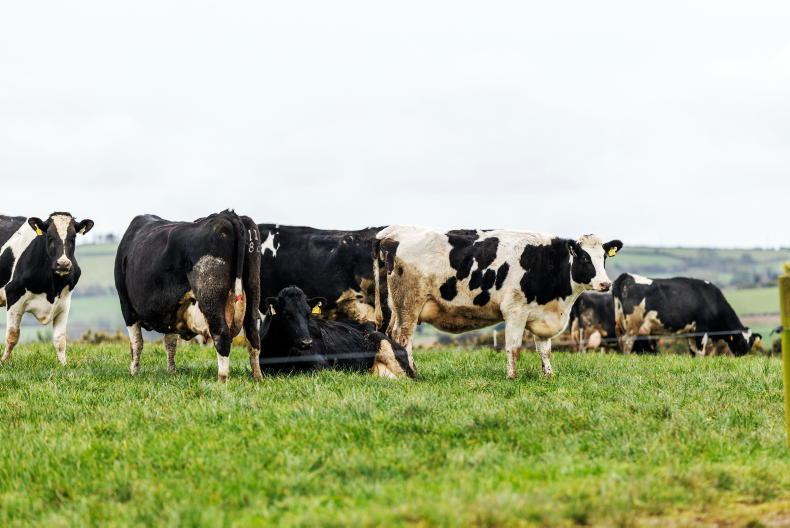
If cows are not already out to grass, this is probably the first port of call. Getting them out and grazing will take pressure off workload, drive performance and save money.
When cows are out on/off grazing it means less work involved in feeding silage and jobs like cleaning the cubicles will only need doing once a day.
From a health and performance point of view, grazing is a no-brainer. Grass is the highest energy feed and has a high protein content meaning cows will perform better and maintain body condition more effectively.
The other big win is cost savings. No matter what level of grass is in the diet, it’s saving money on the more expensive alternatives of silage and meal. Every kilo dry matter of spring grass is about four times cheaper than a kilo dry matter of meal and two and a half times cheaper than a kilo dry matter of silage.
2. Fertiliser
Due to the bad weather experienced throughout the country in January and February, very little fertiliser has been spread.
The target is to have 60 units of nitrogen per acre spread by the start of next month. That’s less than 30 days away now. By spreading 30 units/acre now and going again with another 30 units/acre at the end of the month, farms can still meet this crucially important target.
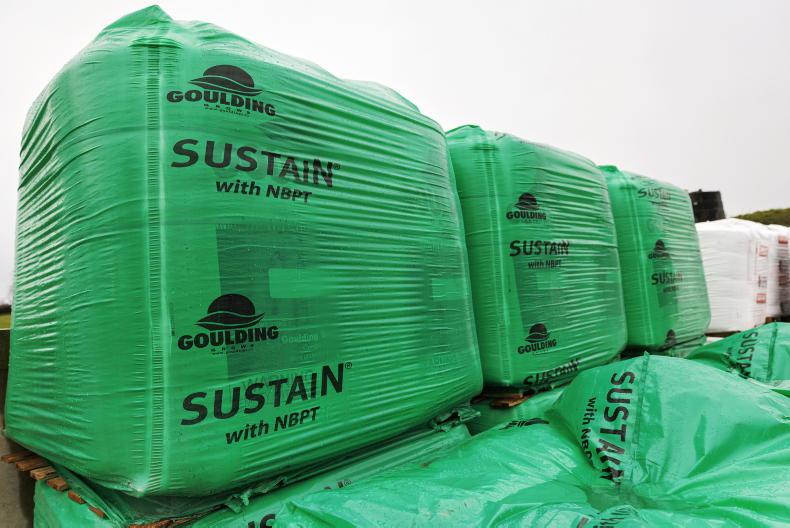
Three-quarters of a bag of protected urea/acre is equivalent to just over 30 units. This should be going out ASAP on any ground that can take a spreader.
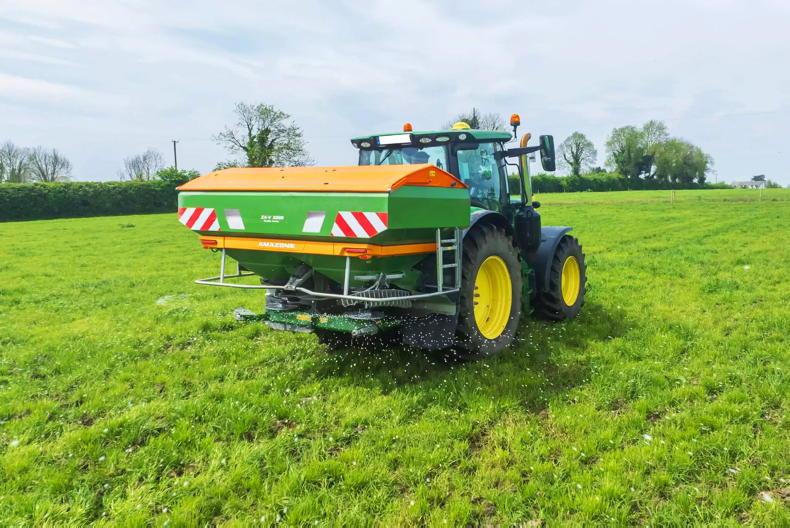
The target for fertiliser spreading is 60 units/acre of nitrogen by the start of April. Three-quarters of a bag should be going out this week.
3. Slurry
Slurry tanks are full to the brim on a lot farms so, understandably some will say this is the most important job.
While the pressure is on, it’s still important to choose the ground wisely. With high P and K levels, this slurry is probably better off on silage ground than on the milking platform.
If it has to go out on the milking block, it should only be going to paddocks that have been grazed very recently. Spreading slurry on paddocks with a cover of grass could prevent grazing for up to a month depending on how it’s spread.
On the other hand, paddocks that might be grazed a couple of weeks ago could also have covers of 300-400kg DM/ha back again.
These paddocks will be needed for grazing early in the second round at the beginning of April. A heavy coating of thicker slurry now could be a problem for grazing in a months’ time therefore, planning is needed.
Ideally, go to paddocks just grazed and spread with a trailing shoe or dribble bar. This should prevent any problems.
4. Calf sheds
From talking to farmers, it’s clear that calf sheds are filling up quickly and with the mild and damp weather over the last month, sheds are quicker to get a build-up of smell and dirt.
These sorts of conditions can be a ticking time bomb for a disease outbreak. If possible, getting the calf house cleaned out should be on the priority list.
It’s coming to a crunch time of the year for calf-health when disease risk is heightened – being vigilant and proactive is important.
A through clean out of dirty bedding and a good dusting of lime to the floor and lower walls before bedding up again should be sufficient.
5. Milk recording
It might be slightly early for a milk recording but it’s something to be thinking about over the next couple of weeks.
To get a good picture of how successful or unsuccessful drying-off and the dry period has gone, a milk recording within 60 days of the first cow calving is very important.
This can help determine if changes are needed when it comes to drying-off next year and will also identify problem cows or chronic cases in the herd.
Every job carries a level of importance during the spring period but on the back of a few days of dry weather some jobs have jumped up the priority list. Here are five of the top priorities for farms over the next week.
1. Grazing
If cows are not already out to grass, this is probably the first port of call. Getting them out and grazing will take pressure off workload, drive performance and save money.
When cows are out on/off grazing it means less work involved in feeding silage and jobs like cleaning the cubicles will only need doing once a day.
From a health and performance point of view, grazing is a no-brainer. Grass is the highest energy feed and has a high protein content meaning cows will perform better and maintain body condition more effectively.
The other big win is cost savings. No matter what level of grass is in the diet, it’s saving money on the more expensive alternatives of silage and meal. Every kilo dry matter of spring grass is about four times cheaper than a kilo dry matter of meal and two and a half times cheaper than a kilo dry matter of silage.
2. Fertiliser
Due to the bad weather experienced throughout the country in January and February, very little fertiliser has been spread.
The target is to have 60 units of nitrogen per acre spread by the start of next month. That’s less than 30 days away now. By spreading 30 units/acre now and going again with another 30 units/acre at the end of the month, farms can still meet this crucially important target.
Three-quarters of a bag of protected urea/acre is equivalent to just over 30 units. This should be going out ASAP on any ground that can take a spreader.
The target for fertiliser spreading is 60 units/acre of nitrogen by the start of April. Three-quarters of a bag should be going out this week.
3. Slurry
Slurry tanks are full to the brim on a lot farms so, understandably some will say this is the most important job.
While the pressure is on, it’s still important to choose the ground wisely. With high P and K levels, this slurry is probably better off on silage ground than on the milking platform.
If it has to go out on the milking block, it should only be going to paddocks that have been grazed very recently. Spreading slurry on paddocks with a cover of grass could prevent grazing for up to a month depending on how it’s spread.
On the other hand, paddocks that might be grazed a couple of weeks ago could also have covers of 300-400kg DM/ha back again.
These paddocks will be needed for grazing early in the second round at the beginning of April. A heavy coating of thicker slurry now could be a problem for grazing in a months’ time therefore, planning is needed.
Ideally, go to paddocks just grazed and spread with a trailing shoe or dribble bar. This should prevent any problems.
4. Calf sheds
From talking to farmers, it’s clear that calf sheds are filling up quickly and with the mild and damp weather over the last month, sheds are quicker to get a build-up of smell and dirt.
These sorts of conditions can be a ticking time bomb for a disease outbreak. If possible, getting the calf house cleaned out should be on the priority list.
It’s coming to a crunch time of the year for calf-health when disease risk is heightened – being vigilant and proactive is important.
A through clean out of dirty bedding and a good dusting of lime to the floor and lower walls before bedding up again should be sufficient.
5. Milk recording
It might be slightly early for a milk recording but it’s something to be thinking about over the next couple of weeks.
To get a good picture of how successful or unsuccessful drying-off and the dry period has gone, a milk recording within 60 days of the first cow calving is very important.
This can help determine if changes are needed when it comes to drying-off next year and will also identify problem cows or chronic cases in the herd.







SHARING OPTIONS