


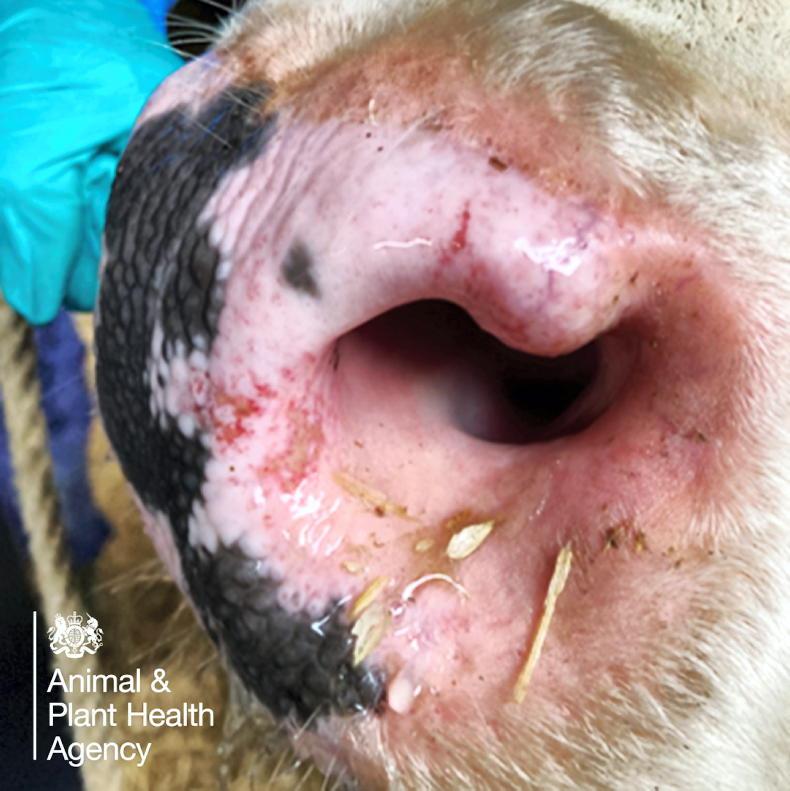
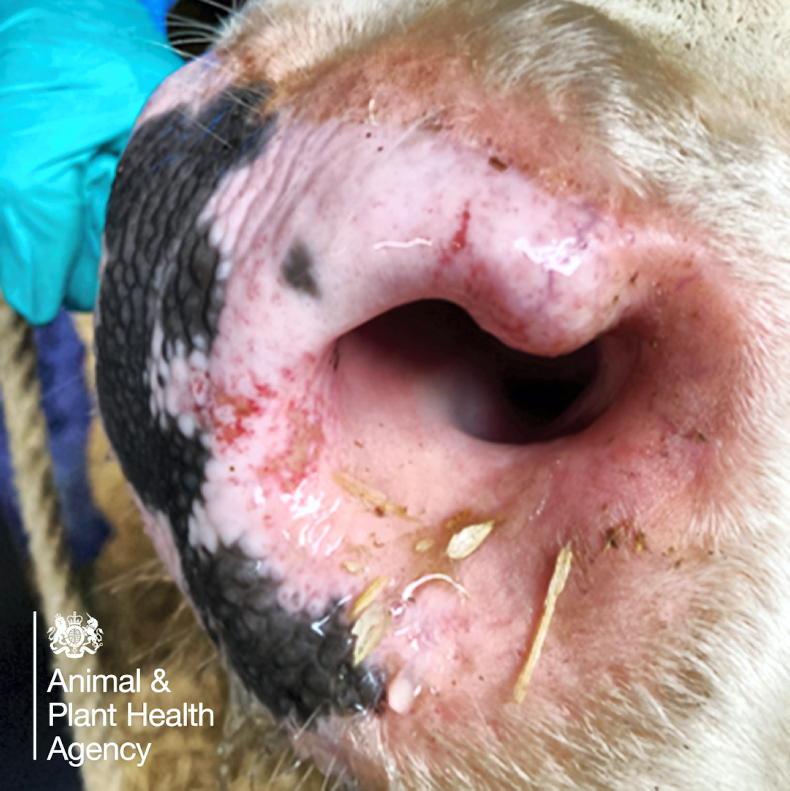
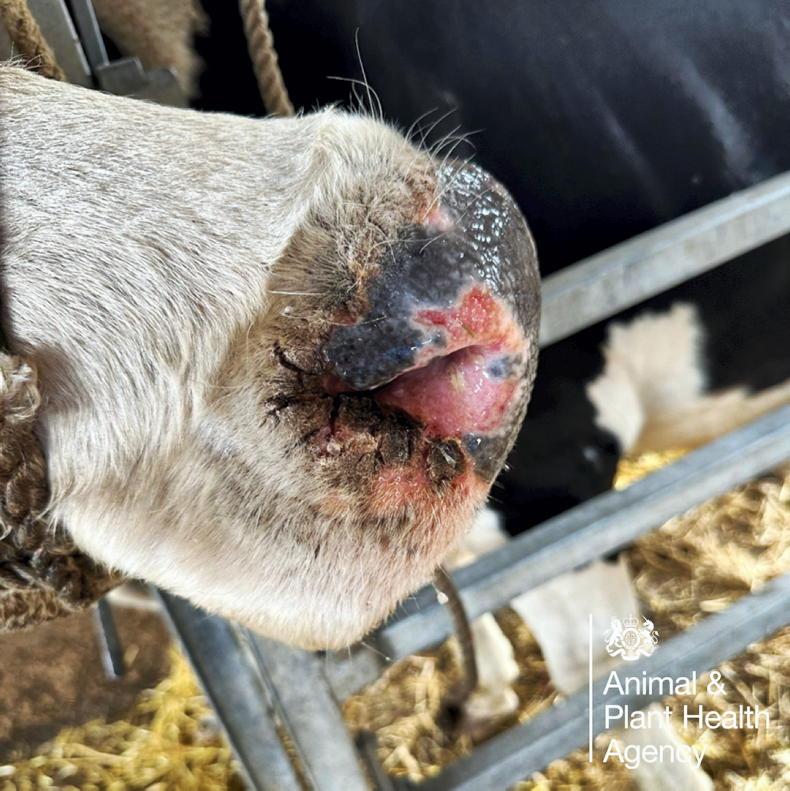
The announcement over the weekend of Ireland’s first bluetongue case was the news we didn’t want to hear, but with cases in Northern Ireland before Christmas, it was almost inevitable that it was going to crop up at some stage in 2026.
The Department of Agriculture’s response has been calm and measured, which is important. They have communicated with stakeholders their clear plan of action and have given assurances that they are doing everything in their power to maintain international trade without any disruption.
It’s going to be a case of living with the disease on farms. Vaccination will play a key role in this and farmers with concerns ahead of the high-risk, late spring and summer period should talk to their vet about a vaccination programme.
The Department of Agriculture has assured farmers that there is a sufficient amount of vaccine in the country to cater for demand.
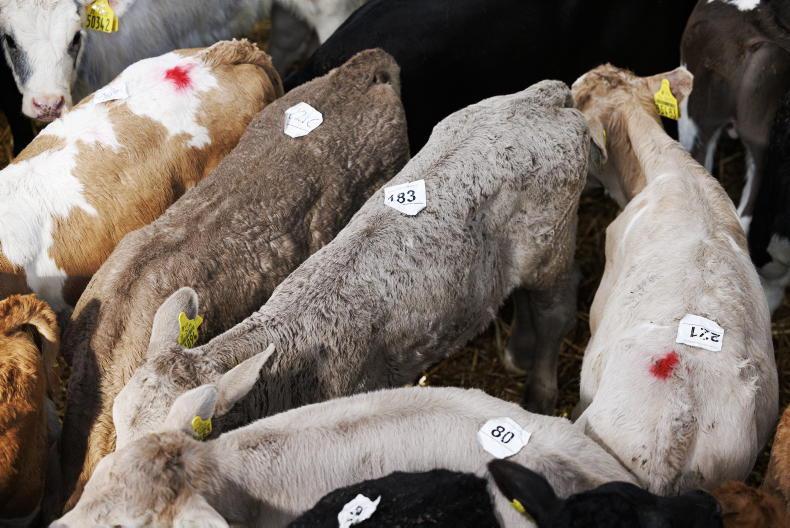
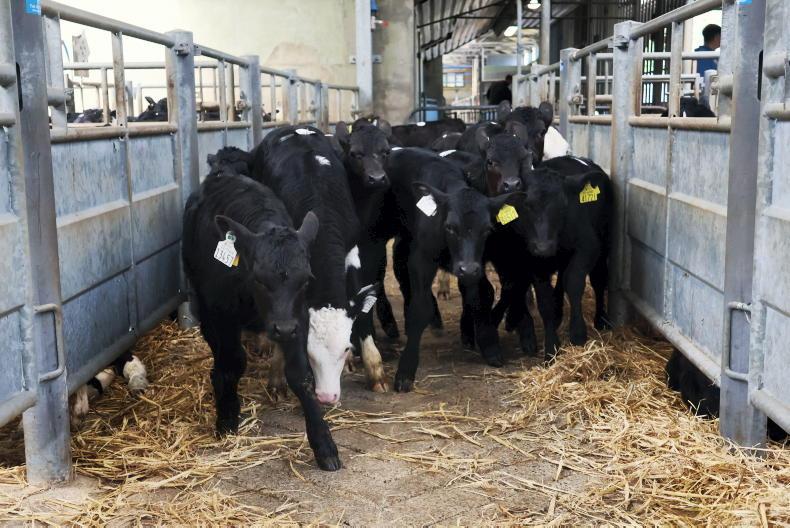
Keeping our live export trade going is crucial, especially ahead of the next few busy months of calf exports. Current indications are that there will be very few issues with some of our most important calf export markets, including the Netherlands and Spain.
Other European markets will also be satisfied with a combination of blood testing, vaccination and quarantine which most will deal with, albeit adding costs to the live exporting process.
Third country exports, including Northern Ireland, are a different story and will take more work to amend health certs.
There is genuine concern in mart circles about the suspension of the Northern Ireland (NI) trade, given the important role that customers from Northern Ireland play in the store trade.
All efforts must be made to try and open up the NI market again. Hundreds of store cattle and breeding heifers are exported every week, with NI pedigree bull customers also playing an important role ahead of the busy spring sales period.
The news this week that there are further positive cases in farms surrounding the one where the initial case was identified will also be a worry, but the likelihood is that this infection took place during the autumn, with infected midges being blown from the UK being the likely cause.
We need to prepare for further spread of this disease in late spring/early summer and make sure all stakeholders are very clear about how we address this challenge. Clear communication is key.




SHARING OPTIONS