


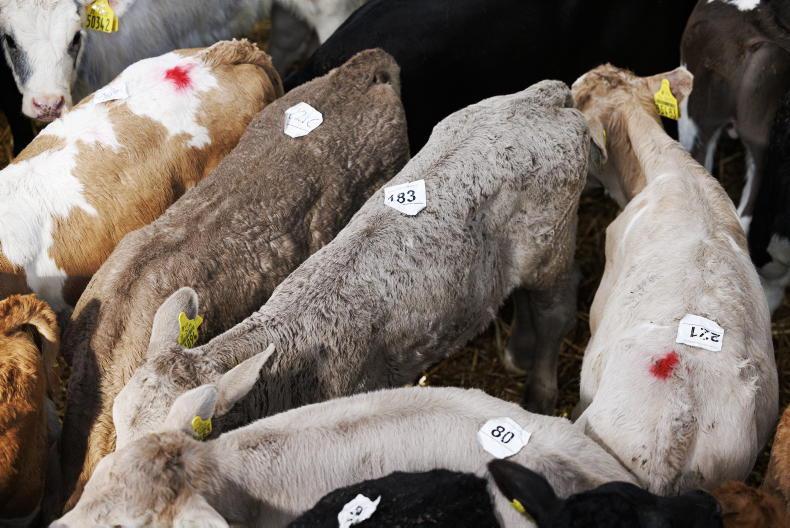
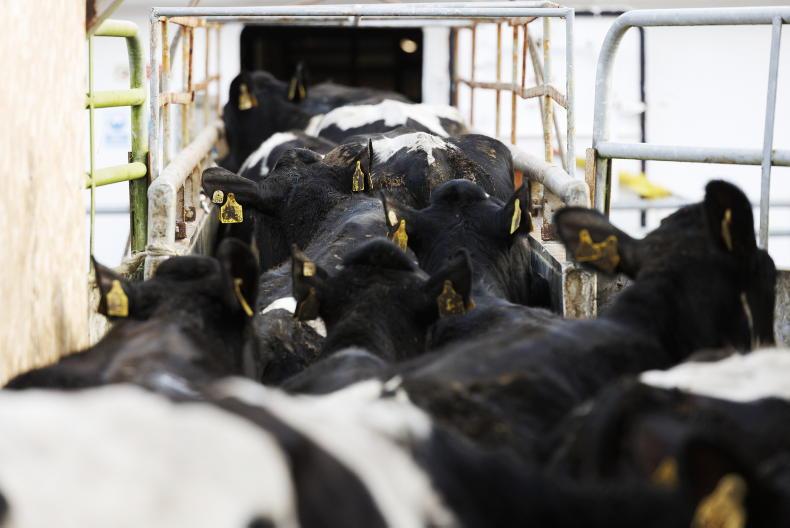
The impact that the bluetongue virus (BTV) has on Ireland’s ability to export cattle live to other EU member states looks set to soften somewhat from the summertime onwards.
Minister for Agriculture Martin Heydon flagged that bluetongue is to be reclassified under the EU animal health law from mid-July in a move that would pivot member states’ focus away from eradication programmes to movement restrictions and surveillance measures.
Bluetongue will no longer be treated as a disease for which measures are needed to prevent them from spreading to parts of the EU that are officially disease-free or that have eradication programmes.
It will instead be a disease that needs measures to prevent further spread due to movements between member states and for which there is a surveillance programme.
“The high-risk period for infection will be during warmer months,” Minister Heydon reiterated when taking questions on the virus in the Dáil on Tuesday.
“Farmers in consultation with their veterinary practitioners should consider whether to use BTV-3 vaccines during the spring to protect their stock in advance of any midge-borne virus spread that's possible during warmer months.
Context
“In the broader European context, the European Commission has recently recategorised bluetongue stereotypes 1 to 24 in EU regulations under the animal health law, shifting it from a category C to a category D and E disease.
“This change is scheduled to take effect fully on 15 July this year and will result in bluetongue being treated as a disease under surveillance, as opposed to a disease to be eradicated.
“This means that under EU legislation, no member states will be able to achieve official freedom from bluetongue.
“The implication for Ireland is that the emphasis will be on movement controls and surveillance rather than disease eradication.”
Minister Heydon stated that “much progress has been made” on updating health certificates for live cattle exports to other EU countries and that “work is ongoing” with other markets.




SHARING OPTIONS