If, at the beginning of 2025, you were told that both men’s All-Ireland champions would be Munster sides, you probably wouldn’t have been too surprised.
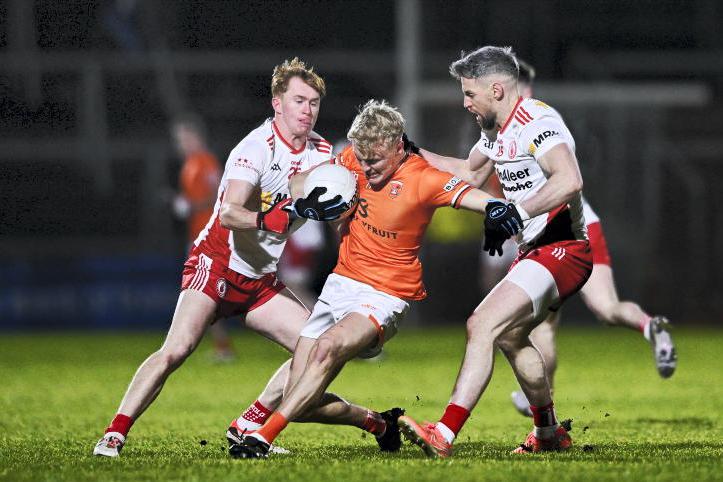
The new rules intended to save Gaelic football were expressly geared towards sides keen to play the game in a positive manner, going out to win rather than trying not to lose – and Kerry ticked that box more heavily than most.
During the Allianz League, it seemed that the Kingdom were actively avoiding trying for two-point scores – but by the time the championship came around, they were fully on board.
And yet, it’s not as if the 39th Sam Maguire win looked an inevitability from way out. Having lost to Meath in their last group match, Kerry limped into the All-Ireland preliminary quarter-finals looking fairly mortal, and while they recorded a routine victory over Cavan there, it was still expected they would run out of road against All-Ireland champions Armagh a week later.
Instead, a 32-point haul proved to be the making of them, with Croke Park an energising factor as they were too powerful for Tyrone and then Donegal.
Given the county’s disappointing days against Armagh and Tyrone in the 2000s and the fact that Jack O’Connor’s first stint ended with a quarter-final loss to Donegal in 2012, it was a sweet way to win it.
It’s also worth noting that O’Connor – with a span of 21 years between his first and last All-Irelands as a manager – already had the title of being the oldest boss of a winning team. However, he broke his own record at the age of 64 – Mick O’Dwyer was 50 when he won his eighth and last All-Ireland as a manager in 1986.
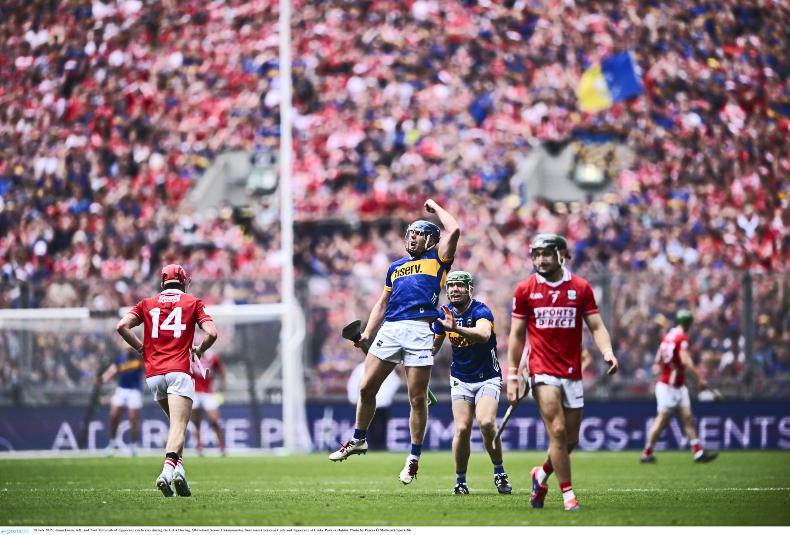
Jason Forde, left, and Noel McGrath of Tipperary celebrates during the All Ireland Final against Cork back in July. \ Piaras Ó Mídheach/Sportsfile
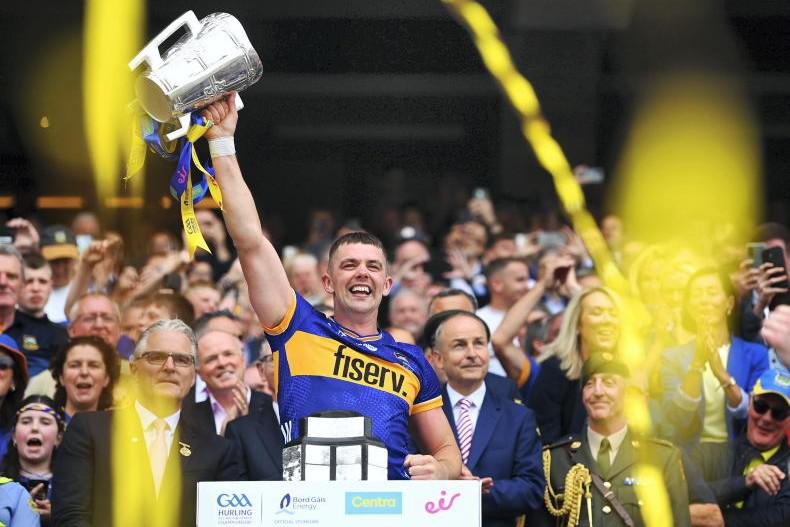
That’s the ‘easy’ part of the Munster double; how many of us would have been brave enough a year ago to stand up and say that the Tipperary hurlers – winless in 2024 – would be the All-Ireland champions in 2025?
Indeed, how many of us would have done so after the heavy loss in the League final, or when they had just a solitary point following the first two rounds of Munster SHC fixtures? And who would have said it with any great conviction at half-time in the All-Ireland final on 20 July? If, with Tipp trailing by six points at the interval, you had predicted that they would get seven All-Stars and Cork world get four, it’s unlikely you would have found many to agree with you. But that’s what happened after a half of hurling that none of us would ever forget.
At the outset of the year, Clare were of course the reigning champions and would have been seen as likelier winners than Tipp but Limerick were in Empire Strikes Back mode and Cork had banked a lot of experience during 2024 and appeared set to push on. While Clare found the title defence tough, as they had in 2014, both Limerick and Cork had moments where they seemed on the road to glory.
Who would have thought on 18 May, after the Treatymen had hammered the Leesiders, that they wouldn’t win another game and wouldn’t even make the All-Ireland semi-finals? Equally, the idea that Cork would follow a score of 7-25 against Dublin in the last four with 0-2 in the second half of the final felt unbelievable.
The Galway camogie team might have felt that the O’Duffy Cup was proving elusive as Cork won the last two titles, and Kilkenny the one before that, but an injury-time free from Carrie Dolan was a score worthy of winning any match and put the Tribeswomen back on top of the tree.
Similarly, the Dublin ladies’ footballers regained their crown with an emphatic win over Meath when an even game had been expected.
Incidentally, the final pairing was completely different to 2024, when Kerry beat Galway – the last time such a thing happened was 2011.

Ireland players, from right, Aoife Dalton, Aoibheann Reilly and Eve Higgins after the Women's Rugby World Cup 2025 quarter-final match between France and Ireland at Sandy Park in Exeter, England. \ Harry Murphy/Sportsfile
Rugby season
A poor finish to a year can cloud the overall view, as in the case of the Ireland rugby team, after an autumn that saw defeats to both New Zealand and South Africa, on the back of such a disappointing end to the Six Nations Grand Slam hopes against France in March.
Ireland went into the France game as favourites but that may owe more to patriotic fervour than cool-headed analysis – however, there are few who would quibble with them being behind the French and a resurgent England in the reckoning for next year.
Even the November win over Australia, as welcome as it was, was far from a complete performance but, equally, nobody will be more aware of the need to improve than the players or management. For long enough, Ireland tended to get the peaking wrong in terms of World Cup cycles – maybe that is being redressed?
The Ireland women certainly built up well to their global competition, with a third-placed finish in the Six Nations followed by good showings in their pool, even allowing for the heavy loss to New Zealand after qualification had been assured.
Turning around from that to face France in a quarter-finals was not easy but an excellent display came up just short. Being disappointed at losing so narrowly to such a strong opponent is the best kind of sauce.
For their soccer counterparts, promotion to the top tier of the UEFA Nations League was the best response to a disappointing 2024 and should leave them well-placed for the coming World Cup qualifiers in the spring.
Of course, the girls and boys in green will have such fixtures, even if the latter were not expected to get that far.
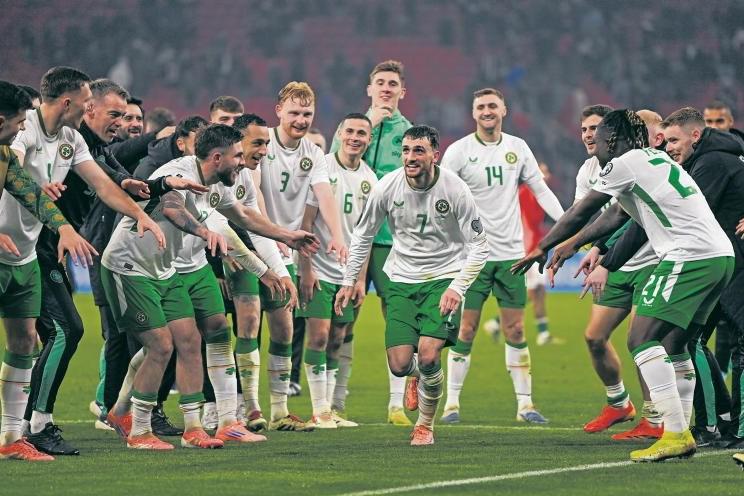
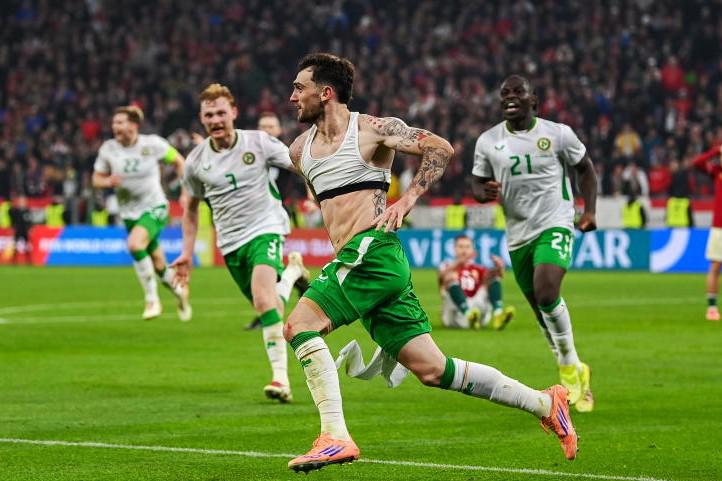
Portugal at home was special and Hungary away was unprecedented, with Troy Parrott becoming a national celebrity overnight.
Here’s to looking back on similar drama in a year’s time.
If, at the beginning of 2025, you were told that both men’s All-Ireland champions would be Munster sides, you probably wouldn’t have been too surprised.
The new rules intended to save Gaelic football were expressly geared towards sides keen to play the game in a positive manner, going out to win rather than trying not to lose – and Kerry ticked that box more heavily than most.
During the Allianz League, it seemed that the Kingdom were actively avoiding trying for two-point scores – but by the time the championship came around, they were fully on board.
And yet, it’s not as if the 39th Sam Maguire win looked an inevitability from way out. Having lost to Meath in their last group match, Kerry limped into the All-Ireland preliminary quarter-finals looking fairly mortal, and while they recorded a routine victory over Cavan there, it was still expected they would run out of road against All-Ireland champions Armagh a week later.
Instead, a 32-point haul proved to be the making of them, with Croke Park an energising factor as they were too powerful for Tyrone and then Donegal.
Given the county’s disappointing days against Armagh and Tyrone in the 2000s and the fact that Jack O’Connor’s first stint ended with a quarter-final loss to Donegal in 2012, it was a sweet way to win it.
It’s also worth noting that O’Connor – with a span of 21 years between his first and last All-Irelands as a manager – already had the title of being the oldest boss of a winning team. However, he broke his own record at the age of 64 – Mick O’Dwyer was 50 when he won his eighth and last All-Ireland as a manager in 1986.
Jason Forde, left, and Noel McGrath of Tipperary celebrates during the All Ireland Final against Cork back in July. \ Piaras Ó Mídheach/Sportsfile
That’s the ‘easy’ part of the Munster double; how many of us would have been brave enough a year ago to stand up and say that the Tipperary hurlers – winless in 2024 – would be the All-Ireland champions in 2025?
Indeed, how many of us would have done so after the heavy loss in the League final, or when they had just a solitary point following the first two rounds of Munster SHC fixtures? And who would have said it with any great conviction at half-time in the All-Ireland final on 20 July? If, with Tipp trailing by six points at the interval, you had predicted that they would get seven All-Stars and Cork world get four, it’s unlikely you would have found many to agree with you. But that’s what happened after a half of hurling that none of us would ever forget.
At the outset of the year, Clare were of course the reigning champions and would have been seen as likelier winners than Tipp but Limerick were in Empire Strikes Back mode and Cork had banked a lot of experience during 2024 and appeared set to push on. While Clare found the title defence tough, as they had in 2014, both Limerick and Cork had moments where they seemed on the road to glory.
Who would have thought on 18 May, after the Treatymen had hammered the Leesiders, that they wouldn’t win another game and wouldn’t even make the All-Ireland semi-finals? Equally, the idea that Cork would follow a score of 7-25 against Dublin in the last four with 0-2 in the second half of the final felt unbelievable.
The Galway camogie team might have felt that the O’Duffy Cup was proving elusive as Cork won the last two titles, and Kilkenny the one before that, but an injury-time free from Carrie Dolan was a score worthy of winning any match and put the Tribeswomen back on top of the tree.
Similarly, the Dublin ladies’ footballers regained their crown with an emphatic win over Meath when an even game had been expected.
Incidentally, the final pairing was completely different to 2024, when Kerry beat Galway – the last time such a thing happened was 2011.
Ireland players, from right, Aoife Dalton, Aoibheann Reilly and Eve Higgins after the Women's Rugby World Cup 2025 quarter-final match between France and Ireland at Sandy Park in Exeter, England. \ Harry Murphy/Sportsfile
Rugby season
A poor finish to a year can cloud the overall view, as in the case of the Ireland rugby team, after an autumn that saw defeats to both New Zealand and South Africa, on the back of such a disappointing end to the Six Nations Grand Slam hopes against France in March.
Ireland went into the France game as favourites but that may owe more to patriotic fervour than cool-headed analysis – however, there are few who would quibble with them being behind the French and a resurgent England in the reckoning for next year.
Even the November win over Australia, as welcome as it was, was far from a complete performance but, equally, nobody will be more aware of the need to improve than the players or management. For long enough, Ireland tended to get the peaking wrong in terms of World Cup cycles – maybe that is being redressed?
The Ireland women certainly built up well to their global competition, with a third-placed finish in the Six Nations followed by good showings in their pool, even allowing for the heavy loss to New Zealand after qualification had been assured.
Turning around from that to face France in a quarter-finals was not easy but an excellent display came up just short. Being disappointed at losing so narrowly to such a strong opponent is the best kind of sauce.
For their soccer counterparts, promotion to the top tier of the UEFA Nations League was the best response to a disappointing 2024 and should leave them well-placed for the coming World Cup qualifiers in the spring.
Of course, the girls and boys in green will have such fixtures, even if the latter were not expected to get that far.
Portugal at home was special and Hungary away was unprecedented, with Troy Parrott becoming a national celebrity overnight.
Here’s to looking back on similar drama in a year’s time.





SHARING OPTIONS