A huge part of obtaining your home is putting the right finance in place at the most competitive rate. With a traditional home, the mortgage options are well established with several players in the market vying for your custom, be it a mortgage broker who sets out the various options for you or working directly with the banks or financial institutions.
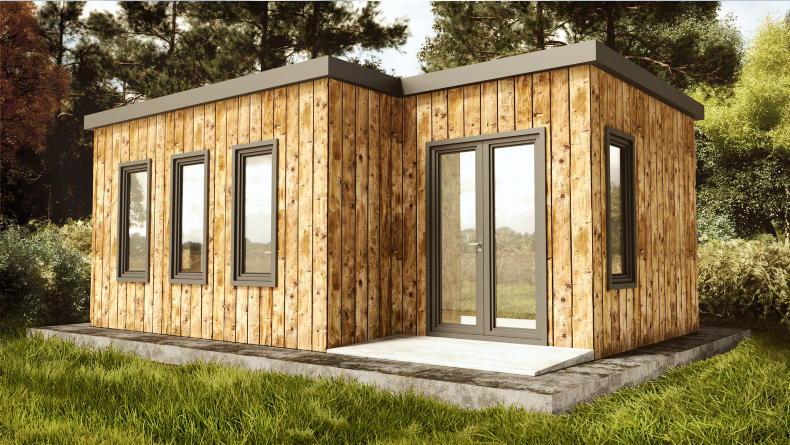
However, the non-traditional build, be it a tiny home, log cabin or modular home – are a newer phenomenon in Ireland, primarily as a response to the housing crisis and skyrocketing prices for a limited supply of homes. This means consumers generally have to look at alternative methods to the traditional mortgage.
At present, the only bank offering a mortgage in this area is PTSB, who have partnered with a modular home company based in Monaghan. On 31 December last, PTSB announced a linkage with BuildWright to provide mortgages for new innovative A2-rated modular homes, which offer customers a near-turnkey home constructed in approximately six months.
Customers purchasing a BuildWright modular home qualify for PTSB’s Green Mortgage fixed lending rates which range between 3.35% and 3.80%, depending on the loan amount, term required, and Loan to Value (LTV).
The concrete modular homes are delivered with 90% of the build completed offsite in a factory environment and then introduced onto the site for assembly.
PTSB chief retail banking officer Patrick Farrell said at the time, “The modular one-off build segment is a targeted and developing area of the housing market. By partnering with BuildWright, we can provide more choice for would-be homeowners, particularly for people who wish to live in rural areas.”
Limited options
Aside from this, finance options for non-traditional homes are very limited, according to Mark Murphy, associate director (Business Development) at Affinity Advisors, who are mortgage and protection specialists. However, it is an area “under review” by the major lenders and he is hopeful there will be change now that PTSB has entered the modular market.
“On the log cabin side, they are viewed as temporary structures so that’s more down your credit union, home improvement loan or personal loans. No bank or lender I know of would be funding them through a mortgage,” Mark explains.

Mark Murphy, associate director (Business Development) at Affinity Advisors, mortgage and protection specialists.
While there is more happening on the modular builds side in terms of technology and providers, he admits there is hesitancy on the side of traditional lenders because of a lack of a known resale market for this type of home, even though they are in place in countries like Sweden for many years. Another stumbling block is the fact they don’t allow for staged payments because the majority of work is done in a factory before coming onsite.
“There is still a lot to be worked through, I’d say, but we have seen one lender come out, and it’s one of the traditional self-build mortgage lenders, PTSB, so that does give some optimism that hopefully, there will be further developments on the finance front in the next few months.”
On the log cabin or tiny home side, the choices are generally to go for a personal or home improvement loan from a bank or credit union or to opt for finance provided by the cabin seller.
Humm Finance has partnered with many companies in Ireland to finance a log cabin or garden room/home office by way of an instalment plan. However, when Irish Country Living requested a quote for €30,000 through one firm listed on the Humm website, the APR listed was 16.49% over 60 months, meaning the total paid back came to €43,129.30. This included an application fee of €40 and accounting fees of €5 a month.
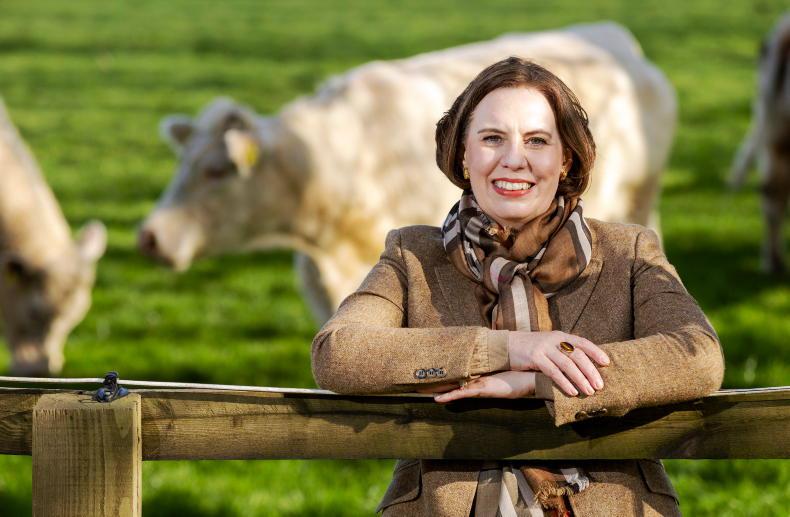
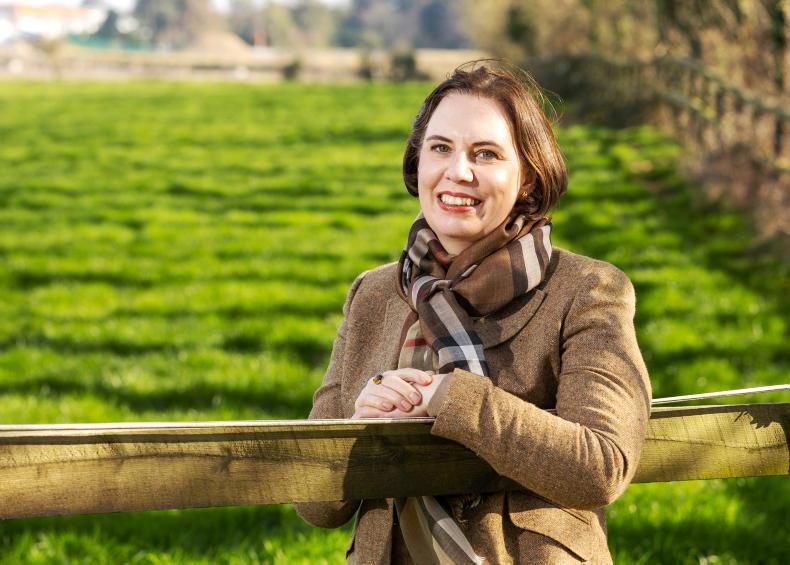
Therese Conway is CEO of Collaborative Finance.
Therese Conway, who is CEO of Collaborative Finance, the organisation supporting Cultivate and Greenify loans in credit unions nationwide, urges consumers to look at their local and community-owned lender. While it varies, some credit unions can offer unsecured loans of €100,000 over a 10 year period.
“The catchphrase we would use for Cultivate, and it translates to all credit unions, is that we are simple, local, personal, fast and flexible,” she says. All these elements are the reasons credit unions have topped the league table for best customer experience in Ireland year after year.
“Check and compare the rates. Your local credit union is very competitive,” she adds, with no hidden penalties or fees.
While less than a handful of credit unions currently offer specific loans for people looking at alternatives to a traditional home, she does expect more products to follow very soon. “It is a growing, expanding market, and credit unions respond to what members want.”
Similarly, the CCPC is advising customers not to take the first offer of finance.
“With personal loans or instalment plans the nature of them is that they are much shorter than a mortgage and the interest rates are usually higher because it’s an unsecured loan,” explains deputy director of financial education at the CCPC, Muriel Dolan.
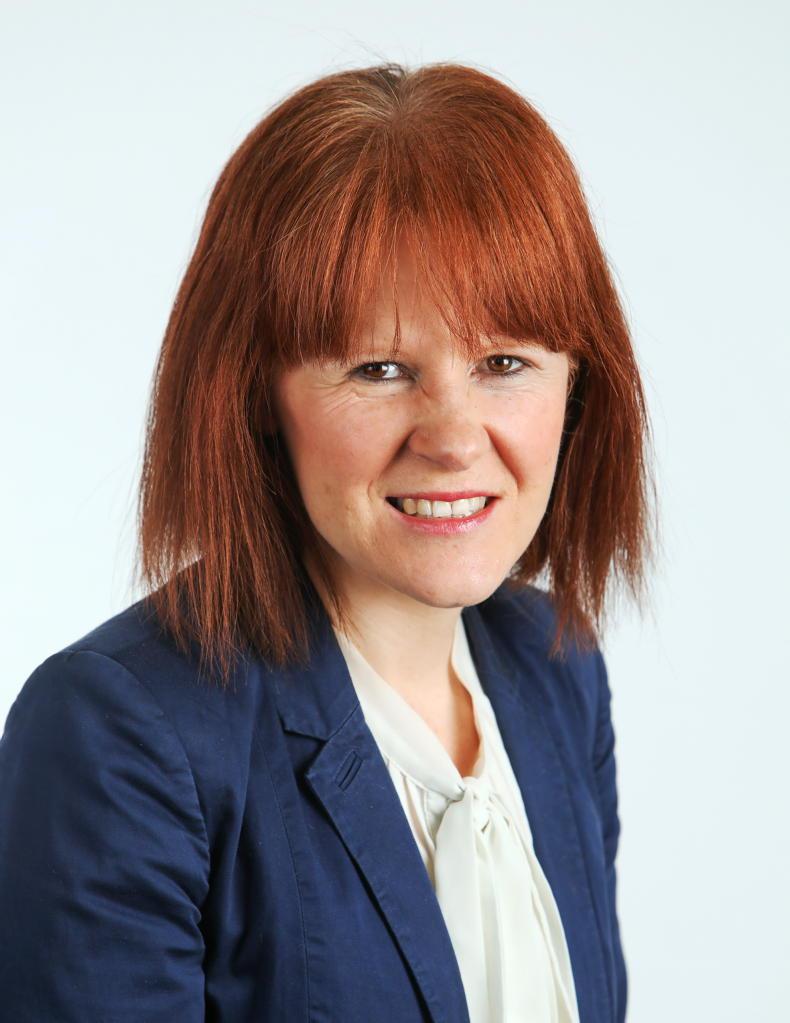
Deputy director of financial education at the CCPC, Muriel Dolan.
“What we would say to people is don’t just check the monthly repayment – as the monthly repayment could be manageable, but if it’s for a longer period you could be paying more – like any kind of credit.”
No loan should be taken out until everything is in order, if planning approval is needed it should be place, and be sure insurance is available for this type of home, she stresses.
“All contracts with the cabin seller and financial institution should be examined thoroughly. You look at the APR, how much you are paying every month and overall. It’s also important to look at what happens if you do fall behind on payments. There can be high charges and penalties, in those cases.”
A huge part of obtaining your home is putting the right finance in place at the most competitive rate. With a traditional home, the mortgage options are well established with several players in the market vying for your custom, be it a mortgage broker who sets out the various options for you or working directly with the banks or financial institutions.
However, the non-traditional build, be it a tiny home, log cabin or modular home – are a newer phenomenon in Ireland, primarily as a response to the housing crisis and skyrocketing prices for a limited supply of homes. This means consumers generally have to look at alternative methods to the traditional mortgage.
At present, the only bank offering a mortgage in this area is PTSB, who have partnered with a modular home company based in Monaghan. On 31 December last, PTSB announced a linkage with BuildWright to provide mortgages for new innovative A2-rated modular homes, which offer customers a near-turnkey home constructed in approximately six months.
Customers purchasing a BuildWright modular home qualify for PTSB’s Green Mortgage fixed lending rates which range between 3.35% and 3.80%, depending on the loan amount, term required, and Loan to Value (LTV).
The concrete modular homes are delivered with 90% of the build completed offsite in a factory environment and then introduced onto the site for assembly.
PTSB chief retail banking officer Patrick Farrell said at the time, “The modular one-off build segment is a targeted and developing area of the housing market. By partnering with BuildWright, we can provide more choice for would-be homeowners, particularly for people who wish to live in rural areas.”
Limited options
Aside from this, finance options for non-traditional homes are very limited, according to Mark Murphy, associate director (Business Development) at Affinity Advisors, who are mortgage and protection specialists. However, it is an area “under review” by the major lenders and he is hopeful there will be change now that PTSB has entered the modular market.
“On the log cabin side, they are viewed as temporary structures so that’s more down your credit union, home improvement loan or personal loans. No bank or lender I know of would be funding them through a mortgage,” Mark explains.
Mark Murphy, associate director (Business Development) at Affinity Advisors, mortgage and protection specialists.
While there is more happening on the modular builds side in terms of technology and providers, he admits there is hesitancy on the side of traditional lenders because of a lack of a known resale market for this type of home, even though they are in place in countries like Sweden for many years. Another stumbling block is the fact they don’t allow for staged payments because the majority of work is done in a factory before coming onsite.
“There is still a lot to be worked through, I’d say, but we have seen one lender come out, and it’s one of the traditional self-build mortgage lenders, PTSB, so that does give some optimism that hopefully, there will be further developments on the finance front in the next few months.”
On the log cabin or tiny home side, the choices are generally to go for a personal or home improvement loan from a bank or credit union or to opt for finance provided by the cabin seller.
Humm Finance has partnered with many companies in Ireland to finance a log cabin or garden room/home office by way of an instalment plan. However, when Irish Country Living requested a quote for €30,000 through one firm listed on the Humm website, the APR listed was 16.49% over 60 months, meaning the total paid back came to €43,129.30. This included an application fee of €40 and accounting fees of €5 a month.
Therese Conway is CEO of Collaborative Finance.
Therese Conway, who is CEO of Collaborative Finance, the organisation supporting Cultivate and Greenify loans in credit unions nationwide, urges consumers to look at their local and community-owned lender. While it varies, some credit unions can offer unsecured loans of €100,000 over a 10 year period.
“The catchphrase we would use for Cultivate, and it translates to all credit unions, is that we are simple, local, personal, fast and flexible,” she says. All these elements are the reasons credit unions have topped the league table for best customer experience in Ireland year after year.
“Check and compare the rates. Your local credit union is very competitive,” she adds, with no hidden penalties or fees.
While less than a handful of credit unions currently offer specific loans for people looking at alternatives to a traditional home, she does expect more products to follow very soon. “It is a growing, expanding market, and credit unions respond to what members want.”
Similarly, the CCPC is advising customers not to take the first offer of finance.
“With personal loans or instalment plans the nature of them is that they are much shorter than a mortgage and the interest rates are usually higher because it’s an unsecured loan,” explains deputy director of financial education at the CCPC, Muriel Dolan.
Deputy director of financial education at the CCPC, Muriel Dolan.
“What we would say to people is don’t just check the monthly repayment – as the monthly repayment could be manageable, but if it’s for a longer period you could be paying more – like any kind of credit.”
No loan should be taken out until everything is in order, if planning approval is needed it should be place, and be sure insurance is available for this type of home, she stresses.
“All contracts with the cabin seller and financial institution should be examined thoroughly. You look at the APR, how much you are paying every month and overall. It’s also important to look at what happens if you do fall behind on payments. There can be high charges and penalties, in those cases.”





SHARING OPTIONS