Last week’s changes to the ICBF Eurostar debate has generated lots of debate in beef breeding circles. There’s a range of opinions out there; some are frustrated that some bulls – and indeed cows – have been reranked within herds.
The level of change this time isn’t as big as we have seen before and the frustration for some is around the fact that the Eurostar values are attached to the Suckler Carbon Efficiency Programme and in may ways dictate what direction herds are taking in relation to breeding. The change comes as farmers prepare to jump through the next SCEP hoop on 31 October 2025.
Participants must have 65% of their reference number genotyped four or five star on the replacement index by that date.
There are currently over 1,000 participants who will fall short of this target, seeing fines applied to their 2025 payment should they fail to have sufficient females by the end of the month.
Seeing the value for beef price increased in this evaluation is a welcome addition and, while still some way of the current price, it is getting closer to reality. Nevan McKiernan gauged the Irish pedigree breed society reaction this week. There is an acknowledgement that the figures are moving in the right direction. One area of concern is around the inclusion of foreign data on new genetics being imported into Ireland. At the moment they seem to be at a severe disadvantage.
Breed societies have long prided themselves on identifying foreign genetics that suit Irish systems. Moving away from this could narrow breeding lines so it’s important that this issue is addressed. Also, the number of high DBI bulls with low carcase weight figures in the top 100 on the replacement active bull list is also a bone of contention with breed societies.
Chris Daly from ICBF outlines why some of the changes took place and the how they have impacted some genetics.
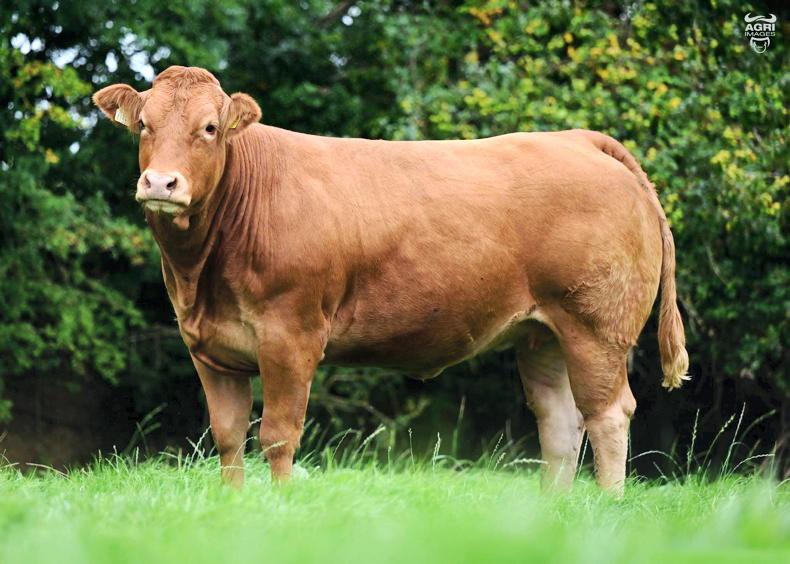
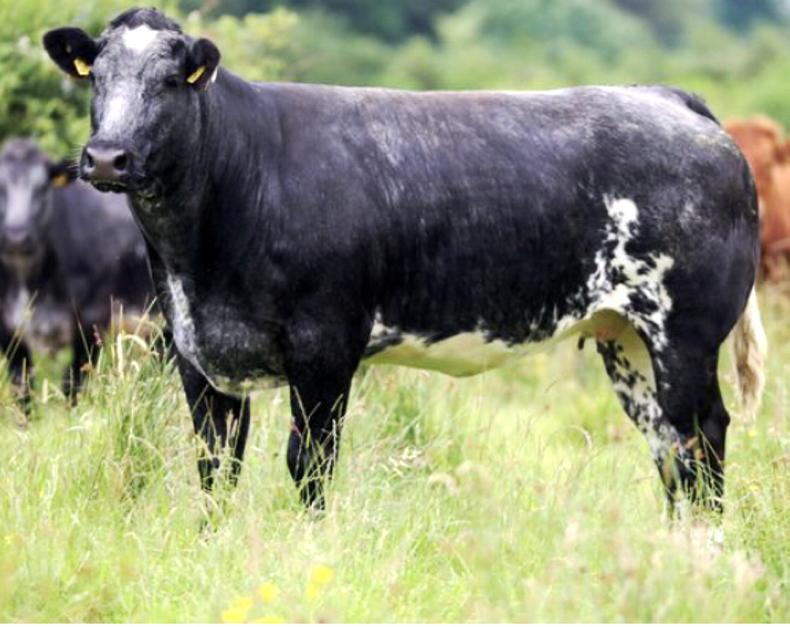
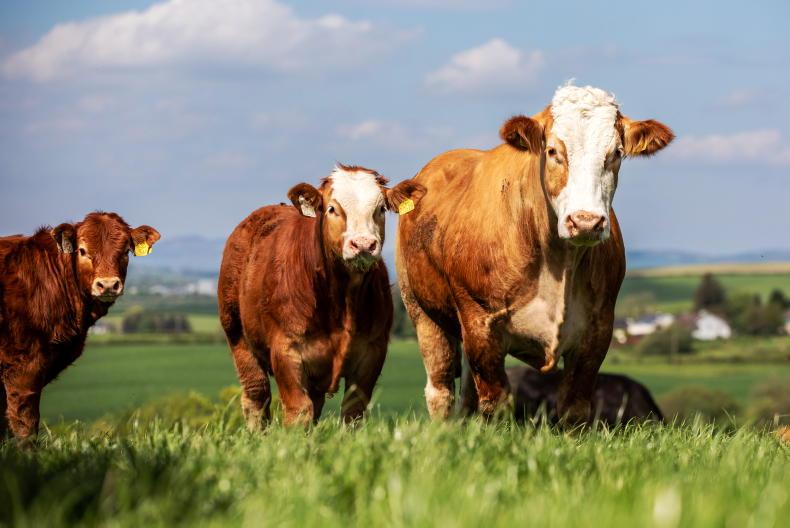
Nevan McKiernan also visits a Tipperary suckler herd to see two breeds merging. And we visit a Longford suckler farmer moving to a traditional breed after joining the organic farming scheme.
Last week’s changes to the ICBF Eurostar debate has generated lots of debate in beef breeding circles. There’s a range of opinions out there; some are frustrated that some bulls – and indeed cows – have been reranked within herds.
The level of change this time isn’t as big as we have seen before and the frustration for some is around the fact that the Eurostar values are attached to the Suckler Carbon Efficiency Programme and in may ways dictate what direction herds are taking in relation to breeding. The change comes as farmers prepare to jump through the next SCEP hoop on 31 October 2025.
Participants must have 65% of their reference number genotyped four or five star on the replacement index by that date.
There are currently over 1,000 participants who will fall short of this target, seeing fines applied to their 2025 payment should they fail to have sufficient females by the end of the month.
Seeing the value for beef price increased in this evaluation is a welcome addition and, while still some way of the current price, it is getting closer to reality. Nevan McKiernan gauged the Irish pedigree breed society reaction this week. There is an acknowledgement that the figures are moving in the right direction. One area of concern is around the inclusion of foreign data on new genetics being imported into Ireland. At the moment they seem to be at a severe disadvantage.
Breed societies have long prided themselves on identifying foreign genetics that suit Irish systems. Moving away from this could narrow breeding lines so it’s important that this issue is addressed. Also, the number of high DBI bulls with low carcase weight figures in the top 100 on the replacement active bull list is also a bone of contention with breed societies.
Chris Daly from ICBF outlines why some of the changes took place and the how they have impacted some genetics.
Nevan McKiernan also visits a Tipperary suckler herd to see two breeds merging. And we visit a Longford suckler farmer moving to a traditional breed after joining the organic farming scheme.





SHARING OPTIONS