


Coccidiosis is caused by protozoan parasites, eimeria zuernii and eimeria bovis. An animal becomes infected by ingesting faeces containing coccidial oocysts. Following entry into the intestines, the parasite eggs hatch and immature parasites invade the cells lining the gut wall where they mature, reproduce, multiply and essentially rupture the cells lining the intestines. Many affected animals will go on to carry these parasites as adults and, therefore, act as one of the primary sources of infection on the farm. Occasionally, weanlings and adult animals will suffer clinical disease due to coccidiosis, especially if there is a heavily contaminated environment or if animals are immunosuppressed due to other diseases, stress or nutritional imbalances.
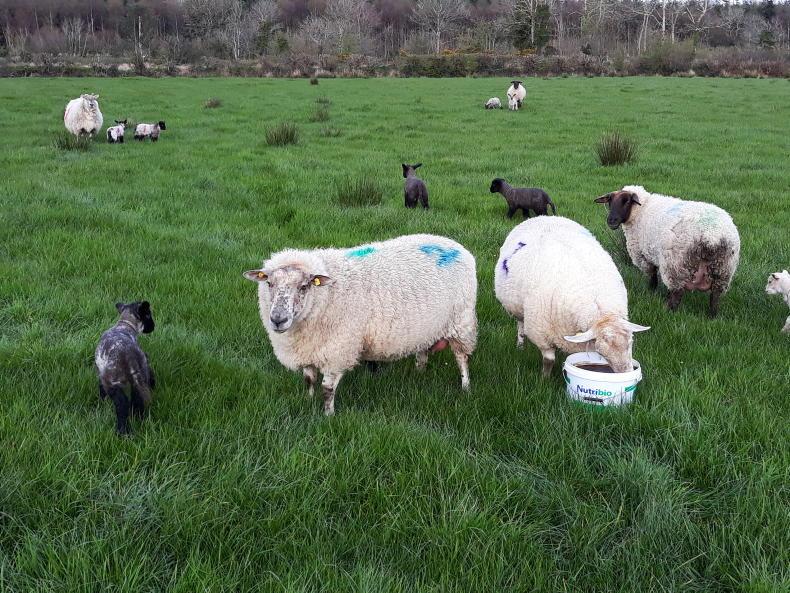
Coccidiosis is also a significant disease in sheep flocks, although the diarrhoea may not be as marked in many cases. It is one of the most common causes of ill thrift in lambs.
Symptoms
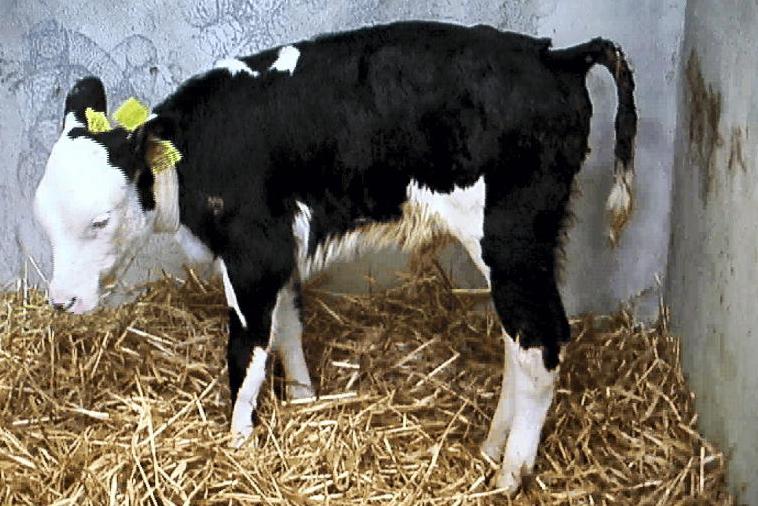
This disease is most commonly associated with profuse watery brown/green diarrhoea, frequently containing blood. In severe cases, the diarrhoea can be red in colour but is usually not as foul-smelling as salmonellosis. As with all cases of diarrhoea, calves and lambs may become dehydrated and weak if treatment is not initiated early.
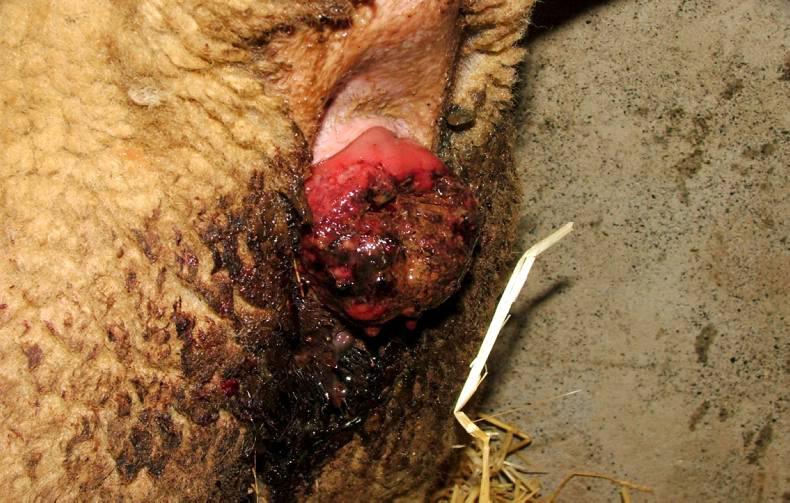
The severe inflammation of the large intestine, and in particular the colon and rectum, can cause an affected animal to show continuous signs of straining to pass faeces, with a raised tail. On some occasions affected animals may pass part of the inner surface of the affected bowel. In some cases, this continuous straining can result in prolapse of the rectum, which can have fatal consequences if the exposed rectum becomes damaged.
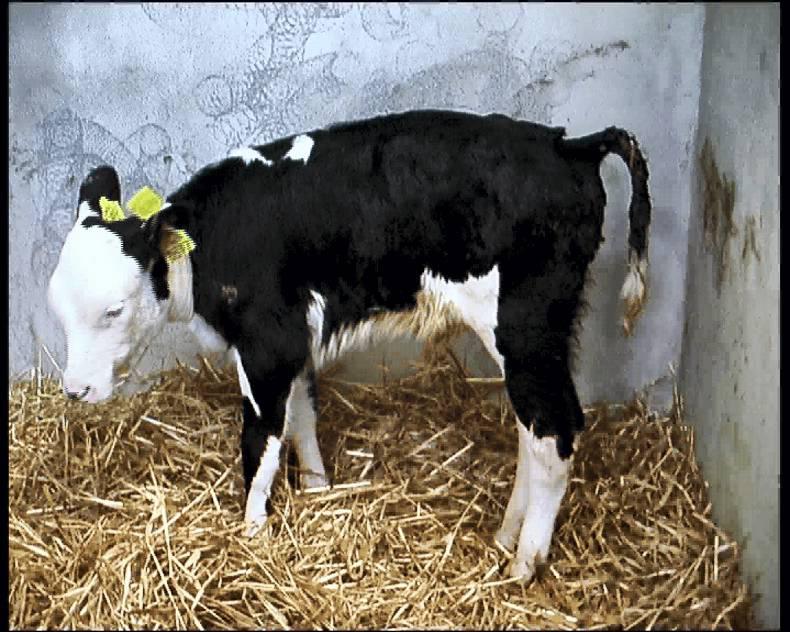
One of the most significant economic effects of coccidiosis is the stunting it commonly causes in infected animals. Many animals have poor weight gain subsequently and never reach their growth and production potential.
Treatment
There are a limited number of effective coccidostats on the market for the treatment of bovine coccidiosis. These are predominantly oral drenches which contains diclazuril, or toltrazuril. These products will certainly treat affected animals effectively, but they are most efficient when used as preventatives on in-contacts or at-risk calves prior to clinical signs.
It is also crucial to pay strong attention to the hydration status of the calf and administer fluids when necessary. If the calf is very weak, with sunken eyes and difficulty or inability to stand, it is crucial to seek veterinary intervention and intravenous fluid therapy.
In cases where calves/lambs show persistent straining, long-acting epidural injections of local anaethhetic may be administered by your veterinary practitioner, together with anti-inflammatories. If rectal prolapse occurs, the rectum must be replaced and sutures may be needed to keep it in place. If the prolapsed rectum becomes traumatised, surgical removal of the devitalised tissue may be necessary.
Prevention and control
Oocysts shed in faeces can remain infective for years and can maintain infection in housing if proper cleaning is not carried out. These eggs are also resistant to most disinfectants, including iodine and chlorhexidine.
Apart from reducing the environmental load through cleaning and disinfection, it is vital to prevent new infections in problem herds by the strategic use of coccidostats. Once affected, calves can excrete up to a billion oocysts over the course of a full infection leading to the rapid spread of this highly contagious disease.
Therefore, as always, prevention is better than cure. Calves on farms where coccidiosis has been diagnosed should be strategically treated with coccidiostats at seven to 10 days of age, and again two weeks later where environmental contamination is high. Infected calves showing clinical signs should also be removed from the group as soon as possible, and strict hygiene measures employed in relation to feeding utensils and footwear used.
Where possible, young lambs should be kept in groups within a two-week age range. They should not be mixed with older lambs until they are at least eight weeks old and should not graze pasture where older lambs have been. In the case of a history of coccidiosis on a farm, a preventative treatment can be used. Incorporating a feed additive for lambs being creep-fed concentrates is an option. A feed additive is available as a prescription-only medicine. It may only be incorporated by feed millers that have a special licence to incorporate medicines into concentrate feeds.


SHARING OPTIONS