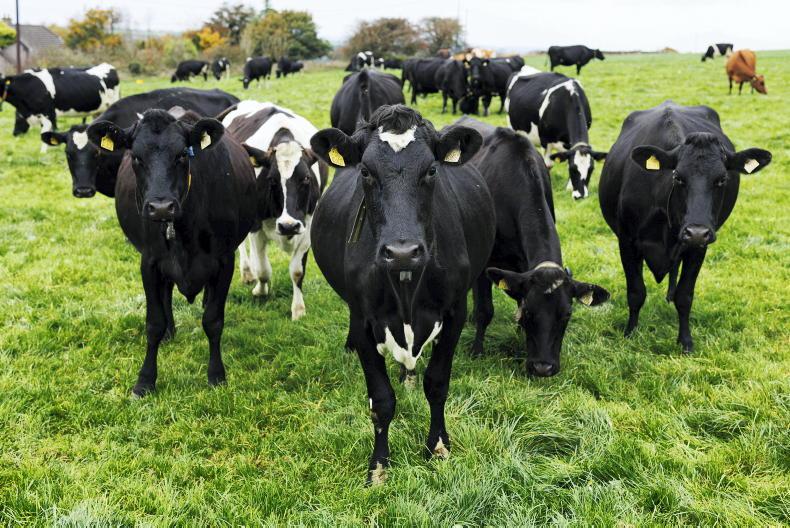
On some farms, there continues to be a handful of cows that have not yet calved, while on almost all farms, there are more than a few cows that have only calved in the last few weeks.
Tightening up the calving spread has meant that late-calving cows are less of an issue now than they would have been 10 or 15 years ago when 14- to 16-week calving seasons were common.
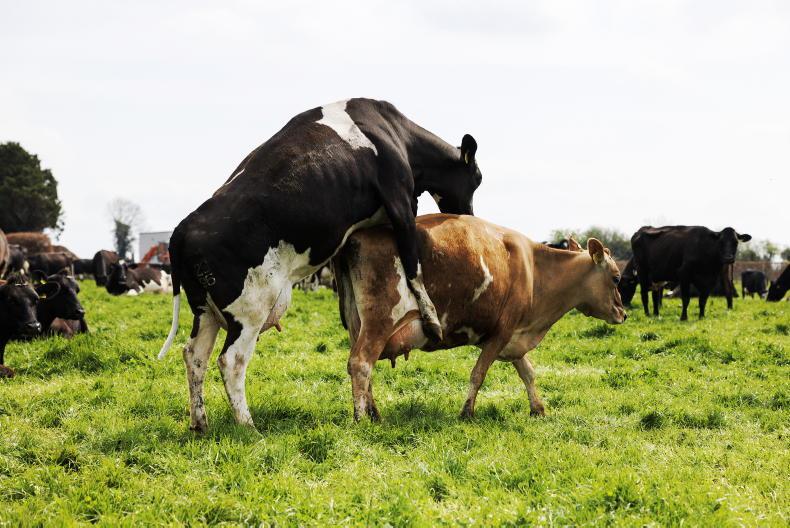
These long seasons meant that there was a crossover between the calving and breeding seasons. It would have been common enough to have 5% to 8% of the herd not yet calved, when the first of the cows were being inseminated.
With 10- to 12-week calving and breeding seasons now the norm, the number of cows yet to calve at the start of the breeding season is much less.
It is nonetheless important that every effort is made to ensure that they stay in the herd and have a fighting chance of going back in calf.
Obviously, the value of these cows is much less as they have already missed so much of the lactation and they have also cost a lot in terms of keeping them in an unproductive state, since late last year.
For me, a late-calving cow is any cow that calved in April or May. These cows are most challenged in terms of getting them back in calf in this season.
Having said that, they tend to have a better chance of having a short return to cyclicity than say a February-calving cow because they calve to ample grass and good weather and don’t have any of the challenges that a February calver has.
What can farmers do to shorten the time to cycling activity?
Feeding more concentrates is not a good idea, because there is no evidence to say that higher feeding rates improves fertility, where grass is plentiful.
In fact, feeding more meal is likely to be counterproductive because if cows produce more milk with that extra meal, it could make it harder for them to go back in-calf.
There are mixed views on once a day milking but I am a fan of it for late lacing cows. It helps to reduce body condition score loss post calving and reduces the energy output meaning the period of negative energy balance is shortened.
Hormonal programmes are another option and these have been proven to be effective at bringing forward the cycling activity of these problem cows.
For the correct hormone programme to be used, the cows must be scanned and a programme prescribed based on the stage of the cycle that the cow is on.
For example, giving prostaglandin to a cow without a corpus luteum will not bring her into heat.
An important point to note is that there is no point in putting cows calved less than 30 days on a hormone programme, they must be at least 30 days calved before they should be scanned.
On some farms, there continues to be a handful of cows that have not yet calved, while on almost all farms, there are more than a few cows that have only calved in the last few weeks.
Tightening up the calving spread has meant that late-calving cows are less of an issue now than they would have been 10 or 15 years ago when 14- to 16-week calving seasons were common.
These long seasons meant that there was a crossover between the calving and breeding seasons. It would have been common enough to have 5% to 8% of the herd not yet calved, when the first of the cows were being inseminated.
With 10- to 12-week calving and breeding seasons now the norm, the number of cows yet to calve at the start of the breeding season is much less.
It is nonetheless important that every effort is made to ensure that they stay in the herd and have a fighting chance of going back in calf.
Obviously, the value of these cows is much less as they have already missed so much of the lactation and they have also cost a lot in terms of keeping them in an unproductive state, since late last year.
For me, a late-calving cow is any cow that calved in April or May. These cows are most challenged in terms of getting them back in calf in this season.
Having said that, they tend to have a better chance of having a short return to cyclicity than say a February-calving cow because they calve to ample grass and good weather and don’t have any of the challenges that a February calver has.
What can farmers do to shorten the time to cycling activity?
Feeding more concentrates is not a good idea, because there is no evidence to say that higher feeding rates improves fertility, where grass is plentiful.
In fact, feeding more meal is likely to be counterproductive because if cows produce more milk with that extra meal, it could make it harder for them to go back in-calf.
There are mixed views on once a day milking but I am a fan of it for late lacing cows. It helps to reduce body condition score loss post calving and reduces the energy output meaning the period of negative energy balance is shortened.
Hormonal programmes are another option and these have been proven to be effective at bringing forward the cycling activity of these problem cows.
For the correct hormone programme to be used, the cows must be scanned and a programme prescribed based on the stage of the cycle that the cow is on.
For example, giving prostaglandin to a cow without a corpus luteum will not bring her into heat.
An important point to note is that there is no point in putting cows calved less than 30 days on a hormone programme, they must be at least 30 days calved before they should be scanned.






SHARING OPTIONS