


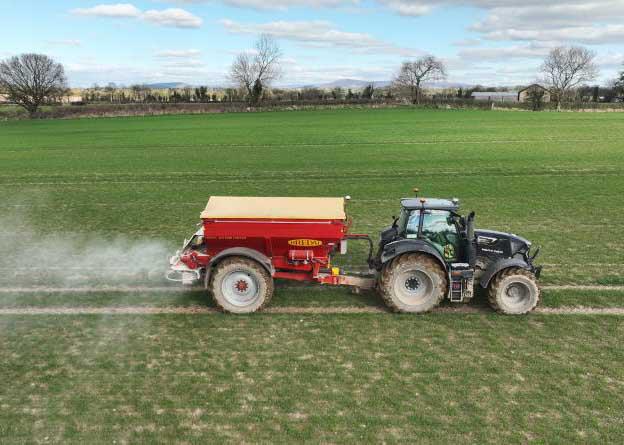
Fertiliser 2026 is produced by the Fertiliser Association of Ireland in conjunction with the Irish Farmers Journal and examines key policy, economic and environmental factors shaping fertiliser use for the year ahead.
The majority of the talk in the fertiliser industry over recent months has centred around the introduction of the EU’s Carbon Border Adjustment Mechanism (CBAM).
In effect, since January 2026, CBAM is likely to increase the cost of imported fertiliser products such as ammonia and urea by an estimated 10-20%.
Will this increase in cost have an impact on overall usage rates? Well, that remains to be seen.
One thing that will most certainly impact usage rates is reduced output prices. Tighter margins are expected on dairy and tillage farms in particular for 2026. Low milk and grain prices will inevitably reduce cashflow and limit farmers’ capacity to absorb higher input costs.
Features
Dr David Wall, president of the Fertiliser Association of Ireland, gives a picture of where the fertiliser industry sits going into the year ahead, and we hear some of the top tips for improving nitrogen use efficiency at farm level.
Teagasc’s Dr Philip Murphy explores nitrogen distribution at farm level and where the losses in the system are occurring.
Brendan Whelton of AgResearch in New Zealand gives an insight into the challenges and the strategies they have for dealing with nitrogen losses.
The Dairygold Grassroots programme, which was launched in 2023 and is now entering its fourth year, is also discussed.
The uptake in fertiliser bag recycling continues. Last year there was an increase in recycling rates of 30%, showing the considerable progress that’s been made in the area.
Finally, this week’s Focus has some top tips on lime usage to benefit soil fertility and Yara’s Conor Quinlan offers his advice on how to stay safe when it comes to handling fertiliser over the coming months.



SHARING OPTIONS