


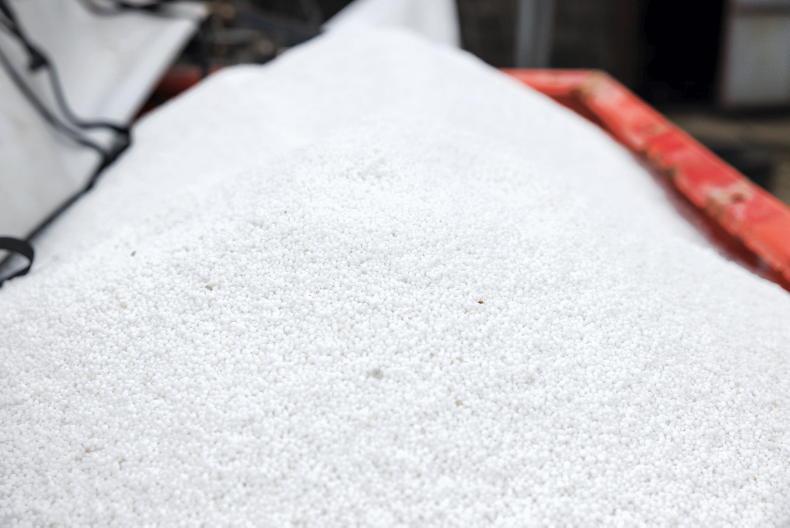
The Carbon Border Adjustment Mechanism (CBAM) is a European Union policy that applies a carbon price to certain goods imported into the EU, including cement, iron, steel, aluminium, hydrogen, electricity and nitrogenous fertiliser. Its purpose is to ensure that imported products face similar climate-related costs to those manufactured within the EU, where producers already pay for their greenhouse gas emissions through the EU Emissions Trading System (ETS).
For context, Ireland does not produce any nitrogenous fertiliser with all fertiliser being imported from both EU and non-EU countries.
By introducing CBAM, the EU aims to reduce carbon leakage, where companies relocate to countries with less stringent climate rules in order to reduce costs. This will help maintain fairness for EU industries and level the playing field with non-EU producers to encourage greener production.
Fertiliser is included under CBAM because its production is energy and emissions-intensive, with significant greenhouse gas outputs.
The EU is looking to ensure imported fertiliser carries a carbon price that reflects its embedded emissions, encouraging cleaner production methods globally and aligning with EU climate objectives. CBAM is being introduced in stages. Since October 2023, a transitional period has been in place requiring emissions reporting only.
From January 2026, importers will be required to purchase CBAM certificates linked to the EU carbon market. These CBAM certificates will cover the carbon embedded in the fertiliser production process.



SHARING OPTIONS