


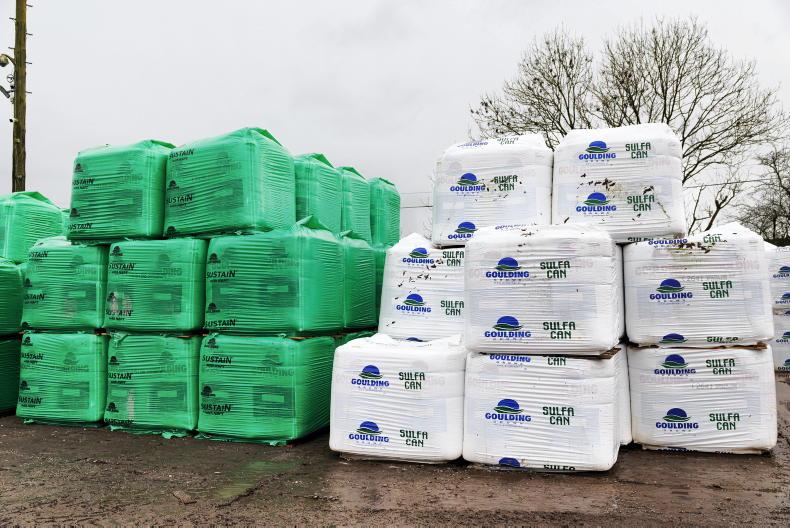
The price for on-farm delivery of CAN has surged in recent days, as local fertiliser suppliers react to increased energy prices due to the war in Iran.
At the start of the year CAN could be bought for around £320/t, which increased to deals closer to £345/t by the end of the month. In February, the price rose to £365/t, but shot up again in response to the Iran war. Merchants report deals last week crossed the £400/t mark, but by Tuesday of this week prices were up again to around £440/t – with products containing sulphur at close to £450/t.
It has been a similar picture with urea, with about £80/t added to prices since the start of the year, taking the price to around £500/t last week. Merchants report urea is now in very short supply, or sold out in most cases. No protected urea products are available.
Similar to CAN, around £40/t has been added to the price of compound products in the last week, leaving 25-5-5 plus sulphur and 22-3-10 plus sulphur at £450/t, with 27-4-4 and 20-10-10 around the £480/t mark.
The advice to farmers is only buy what you need for early grazing and a first cut of silage as the market could settle later this spring.
Merchants are also reluctant to forward buy too much product for fear of being left with expensive fertiliser in the yard if prices come down in the months ahead.
Profiteering
The surge in prices in recent weeks has angered farmers, who have accused the large fertiliser companies of taking advantage of their market position to increase profits.
“It is causing a lot of anxiety on farm. Given there is already a lot of fertiliser in the country, the price rises are ridiculous,” said the chair of the NI Agricultural Producers Association (NIAPA), James Lowe.
Also commenting, Ulster Farmers’ Union (UFU) deputy president John McLenaghan said it was vital that businesses across the supply chain act responsibly.
“We cannot have a situation where companies in the supply chain profiteer from global instability. Farmers provide the critical foundation on which the entire agri-food sector is built, and their businesses are fundamental to the success of companies throughout the supply chain,” he said.
McLenaghan added that the situation reinforces the need for stronger domestic food production.




SHARING OPTIONS