


My interest in Riesling – actually, no let’s not start this column on a mediocre note – my love affair with Riesling started on a high note. It was quite a few years ago, probably back when I thought the only white wine was Sauvignon Blanc. I was a little late attending an event and sat down at the last seat available.
Turns out, sitting at the table was the owner of the restaurant and a girl whose parents owned a Riesling vineyard in Germany. The usual red and white plonk being served was quickly replaced by the best selection of Riesling on the menu as said restaurateur sought to impress the vineyard heir. Readers, I started on a very high note.
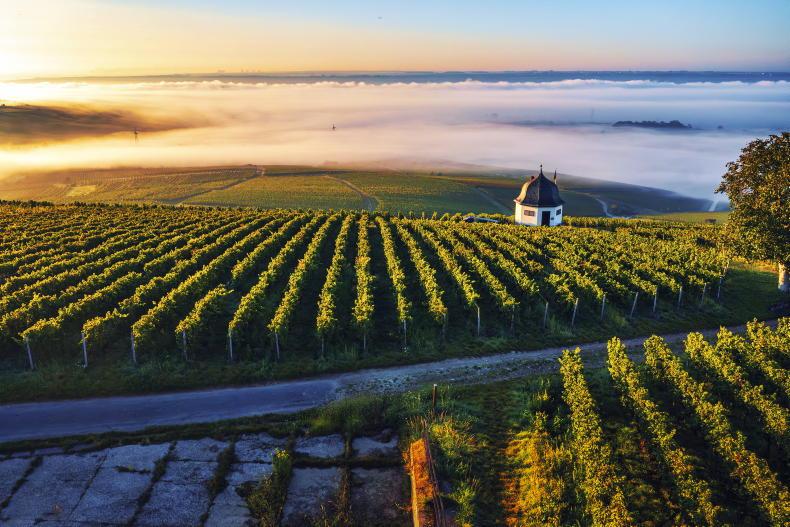
As my experience started in Germany, it seems apt to head straight there for the exploration of this grape. As the largest producer of Riesling in the world, you’ll find vineyards dotted along the River Rhine with some of the most notable wines being produced in the Mosel, Rhengal, Pfalz and Rheinhassen regions.
Here the climate is cool which is part of the secret to its success. Riesling is one of the most robust grapes in the world and not only can it survive in colder weather, it thrives. Slowly does it, the long, cool season means that the grapes take longer to ripen and the soil along the Rhine is slate meaning it absorbs the heat during the day, and then releases it slowly at night. The result is worth the wait for a wine that is known for being crisp, aromatic and always interesting.
Not too far away you’ll find excellent Riesling produced in the Alsace region in France where the wine is full-bodied with flinty notes and good minerality while along the Danube River in Austria, the Riesling produced is dry and well-structured. But as the grape grows in popularity, so do other Riesling regions, namely Clare Valley and Eden Valley in Australia, known for their razor-sharp acidity; upstate New York, one of the best cool-climate wine regions in the United States; and while many are familiar with the Marlborough region of New Zealand for their Sauvignon Blanc, if you get the chance to try their Riesling, you’ll be pleasantly surprised by its aromatic profile.
Now let’s face it, wine labels can be intimidating at the best of times and Riesling is no different, especially in Germany. That’s because it is one of the few wines in the world that is formally classified by sweetness and you’ll find that on the label. The wines that are known for their aromatic and crisp acidity start on the dry scale and are labelled as Trocken (bone dry), progressing to Kabinett which has an off-dry flavour. Climbing up the scale of sweetness, you’ll find Spätlese, which has a semi-sweet profile, and then Ausleuse which is your dessert wine. But one of most notable is the famous Eiswein, harvested from grapes that have frozen on the vine. The result – a deliciously rich, sweet flavour with pops of nuttiness.
Let’s not get too bogged down in the labelling though, because when you see riesling on the label, you can guarantee one thing – its going to be a good food pairing. In fact, it’s considered one of best food wines in the world because it’s got good structure, versatility and lovely acidity.
Let’s not get too bogged down in the labelling though, because when you see Riesling on the label, you can guarantee one thing – its going to be a good food pairing
Its crisp acidity means it pairs really well with rich foods. Just like a squeeze of lemon cuts through the richness of food, Riesling is the wine equivalent, providing a refreshing gush between bites of duck, creamy sauces and even fried food. Its aromatic flavour means it works well with seafood, especially sushi. But for me, Riesling is my go-to wine for a takeaway. That’s because it has a little residual sugar and this pop of sweetness is perfect for balancing spice. It helps to soften chilli flavours and balance salty flavours.
So chill a bottle if you’re ordering a Thai takeaway or an Indian, it even works well with barbecue food. There are few other wines with that level of versatility. And if you’re in restaurant and the pressure is on to do some wine pairing, try the Riesling. Chances are it won’t let you down.
Three wines to try with your food
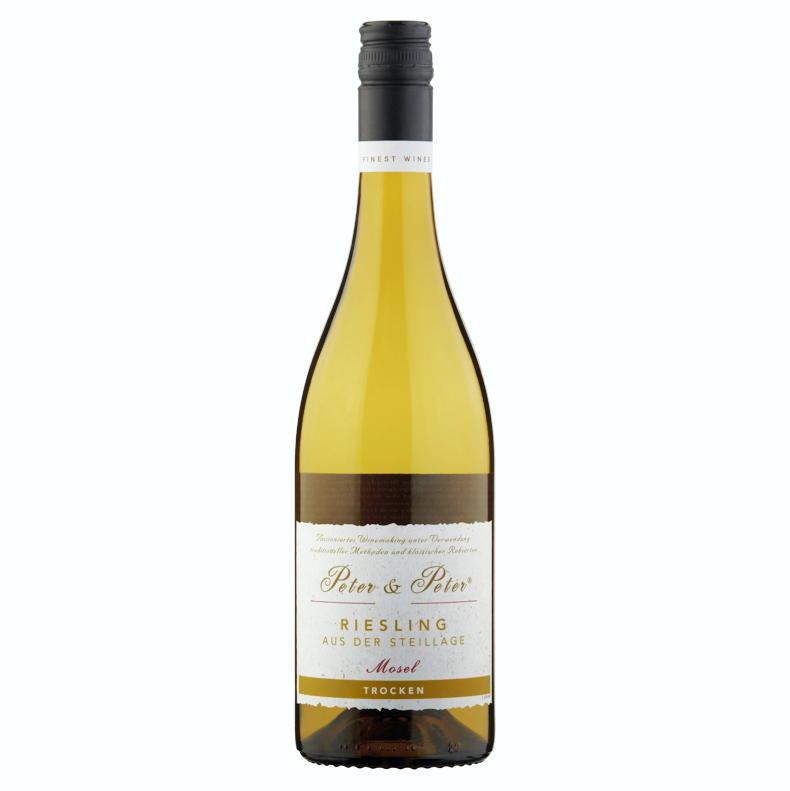
1. Riesling Aus Der Steillage. Simply Better at Dunnes Stores, was €15.99, now €12 until 7 April '26
We’re heading to the Mosel Valley, one of the best places in the world to source your Riesling. These handpicked grapes produce a wine with soft apple and white peach flavours, elevated by pops of zingy lime. Its mineral acidity makes it the perfect food wine.
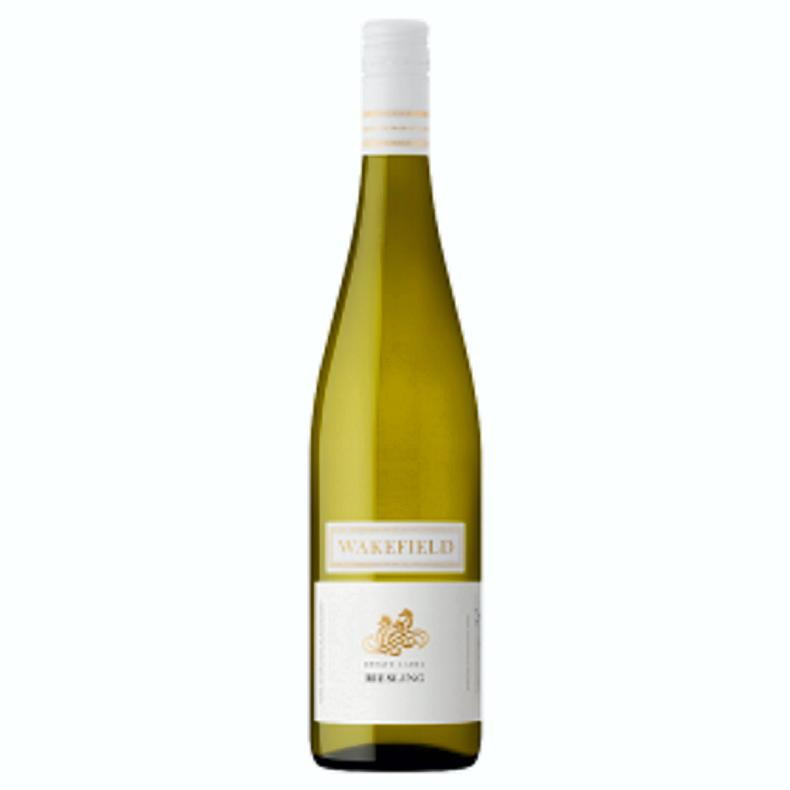
2. Wakefield Estate Label Riesling Clare Valley. Tesco, €16
A great opportunity to try Australian Riesling, which isn’t as widely available as German varieties. As well as lemon and lime flavours, there is a hint of tropical fruit. Crisp and well balanced with lively acidity, it has a persistent finish.
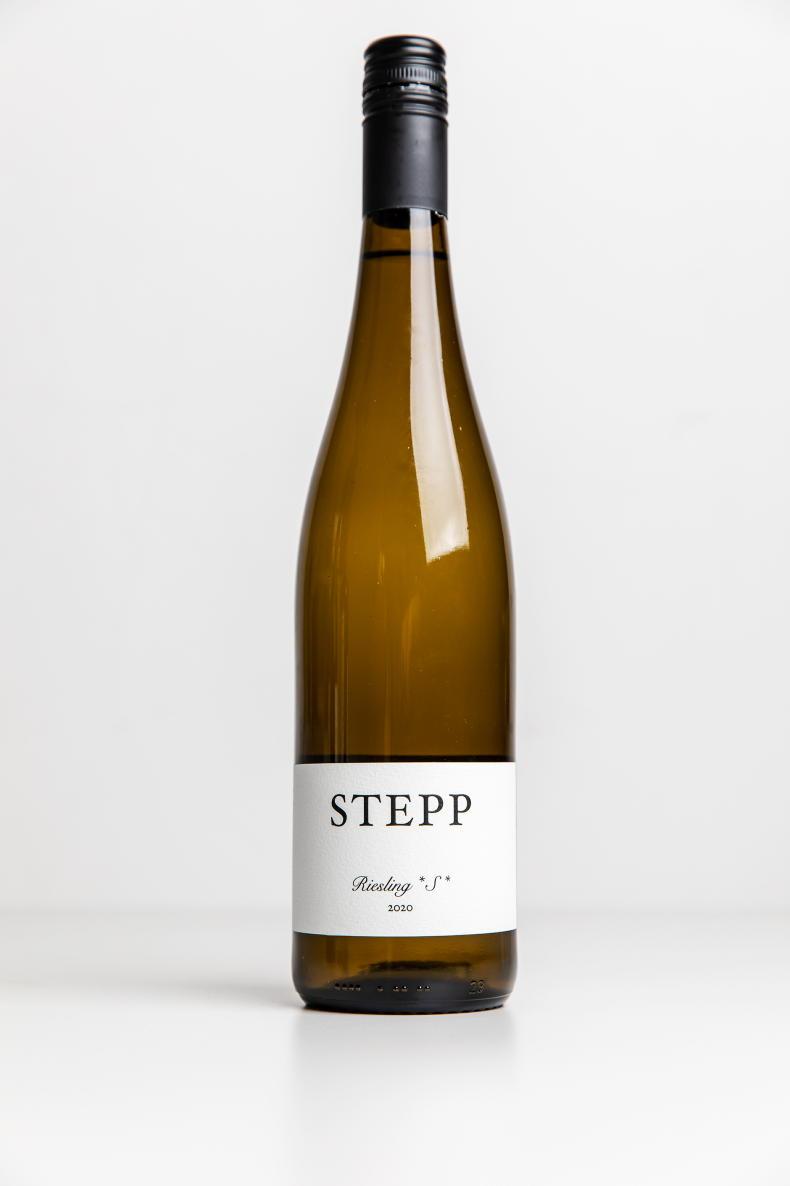
3. Collection Stepp S Riesling, Marks & Spencer, €20.50
From the Plafz region in Germany, this wine is lively with flavours of apples, peach and lime. Well balanced with good minerality, this wine would work especially well with seafood and is a must for sushi lovers.




SHARING OPTIONS