As the breeding season gets underway it seems opportune to consider the methods that breeders and their vets employ to achieve the outcomes they desire.
Unlike for many domesticated animal species and for horses in much of the rest of Europe, here in Ireland, equine breeding is mostly conducted by ‘natural’ rather than ‘assisted’ means. The latter is held to include techniques such as:
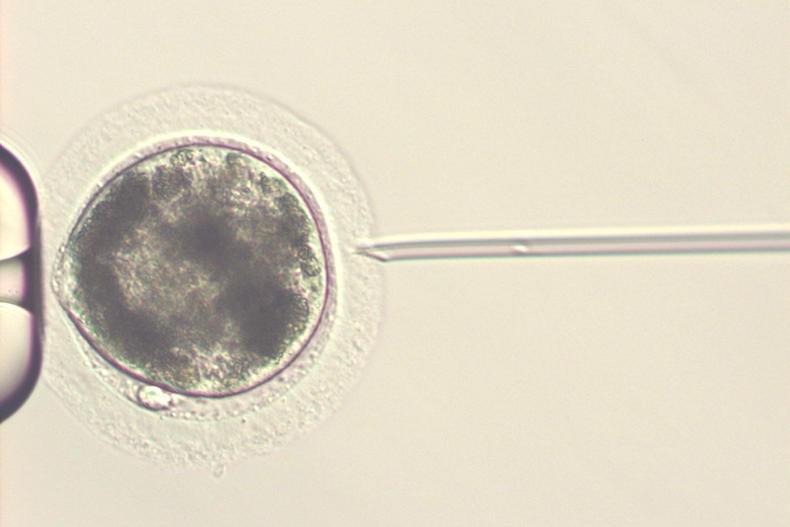
AI – Artificial Insemination, using fresh or frozen semen placed into the target mare, which carries any resultant pregnancy.OPU – Ovum Pick Up with unfertilised eggs harvested from a donor and any subsequent pregnancies carried by recipient mares (one each).ET – Embryo Transfer with fertilised eggs similarly collected from donors and transferred into recipient mares.ICSI – Intra-Cytoplasmic Sperm Injection, the fertilisation in a lab of an egg harvested by OPU with a single chosen sperm, with the pregnancy then borne by a recipient mare.Cloning – the production of genetically identical copies of existing high-value horses, which may however not develop or perform exactly as per the original – nurture on top of nature.The division is not, however, so straightforward as it may first appear. ‘Natural breeding’ may mean that a stallion covers the mare chosen to carry any resulting pregnancy, but we humans often intervene – in ways ranging from heat detection devices to ultrasonic assessment of the reproductive organs to the administration of hormones pre and post-cover – as per ART.
Assisted reproduction techniques (ART) have become increasingly important in equine breeding, particularly abroad and in non-thoroughbreds, offering potential solutions to the following issues mentioned below.
Stallion and mare infertility
Low numbers bred from high genetic value animals. The preservation of genes from deceased animals. Injury and venereal disease risks from natural cover. Keeping stallion athletes focused on performance not mating. International transport of genetic material not live horses.The preservation of rare or elite genetics, etc.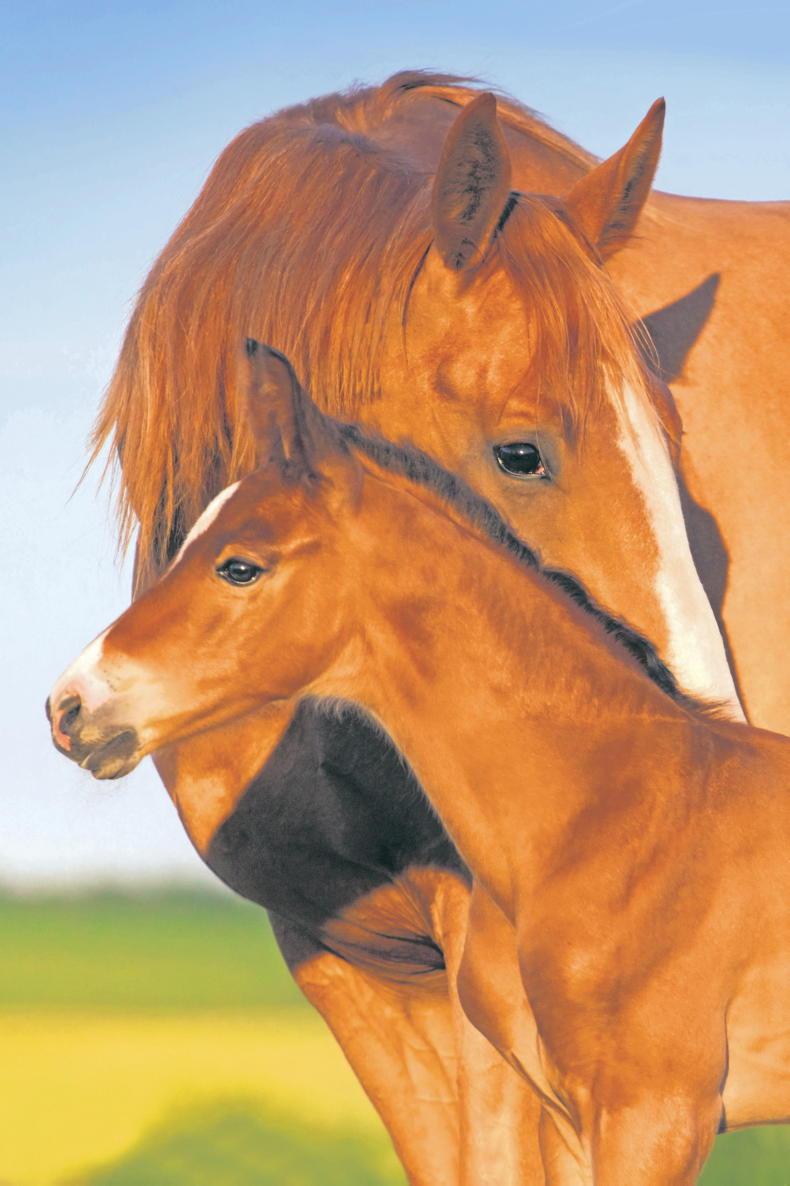
Assisted reproduction techniques (ART) have become increasingly important in equine breeding. \ iStock
Amongst other skills and techniques, cryopreservation plays a critical supporting role in ART. Semen and embryos can be frozen and stored for future use, allowing genetic material to be preserved for decades eg. for rare-breed conservation programmes or for transport to distant parts of the world to improve the stock there.
Despite their advantages and proven effectiveness in other species, assisted reproduction techniques in horses face challenges, including:
Industry resistance (particularly in the thoroughbred sector).Current costs and availability of veterinary expertise.Variable success rates.Ethical and equine welfare considerations.Legal/regulatory barriers – some breed registries and countries (for example Sweden in recent times) restrict or prohibit certain technologies.In conclusion, assisted reproduction techniques have already transformed equine breeding in some countries and in some breeds. They have the potential to be developed further with growing expertise and at reduced financial cost – improving reproductive efficiency, preserving valuable genetics, and overcoming infertility.
However, this may still be at a cost – to the welfare of donor and recipient mares, to genetic diversity in some breed populations, to the traditional sentiment of some, and to the pocket of breeders with existing markets to protect.
Is the cost worth it: does it justify the risks and yield true benefit?
Just because we can, should we?
As the breeding season gets underway it seems opportune to consider the methods that breeders and their vets employ to achieve the outcomes they desire.
Unlike for many domesticated animal species and for horses in much of the rest of Europe, here in Ireland, equine breeding is mostly conducted by ‘natural’ rather than ‘assisted’ means. The latter is held to include techniques such as:
AI – Artificial Insemination, using fresh or frozen semen placed into the target mare, which carries any resultant pregnancy.OPU – Ovum Pick Up with unfertilised eggs harvested from a donor and any subsequent pregnancies carried by recipient mares (one each).ET – Embryo Transfer with fertilised eggs similarly collected from donors and transferred into recipient mares.ICSI – Intra-Cytoplasmic Sperm Injection, the fertilisation in a lab of an egg harvested by OPU with a single chosen sperm, with the pregnancy then borne by a recipient mare.Cloning – the production of genetically identical copies of existing high-value horses, which may however not develop or perform exactly as per the original – nurture on top of nature.The division is not, however, so straightforward as it may first appear. ‘Natural breeding’ may mean that a stallion covers the mare chosen to carry any resulting pregnancy, but we humans often intervene – in ways ranging from heat detection devices to ultrasonic assessment of the reproductive organs to the administration of hormones pre and post-cover – as per ART.
Assisted reproduction techniques (ART) have become increasingly important in equine breeding, particularly abroad and in non-thoroughbreds, offering potential solutions to the following issues mentioned below.
Stallion and mare infertility
Low numbers bred from high genetic value animals. The preservation of genes from deceased animals. Injury and venereal disease risks from natural cover. Keeping stallion athletes focused on performance not mating. International transport of genetic material not live horses.The preservation of rare or elite genetics, etc.
Assisted reproduction techniques (ART) have become increasingly important in equine breeding. \ iStock
Amongst other skills and techniques, cryopreservation plays a critical supporting role in ART. Semen and embryos can be frozen and stored for future use, allowing genetic material to be preserved for decades eg. for rare-breed conservation programmes or for transport to distant parts of the world to improve the stock there.
Despite their advantages and proven effectiveness in other species, assisted reproduction techniques in horses face challenges, including:
Industry resistance (particularly in the thoroughbred sector).Current costs and availability of veterinary expertise.Variable success rates.Ethical and equine welfare considerations.Legal/regulatory barriers – some breed registries and countries (for example Sweden in recent times) restrict or prohibit certain technologies.In conclusion, assisted reproduction techniques have already transformed equine breeding in some countries and in some breeds. They have the potential to be developed further with growing expertise and at reduced financial cost – improving reproductive efficiency, preserving valuable genetics, and overcoming infertility.
However, this may still be at a cost – to the welfare of donor and recipient mares, to genetic diversity in some breed populations, to the traditional sentiment of some, and to the pocket of breeders with existing markets to protect.
Is the cost worth it: does it justify the risks and yield true benefit?
Just because we can, should we?







SHARING OPTIONS