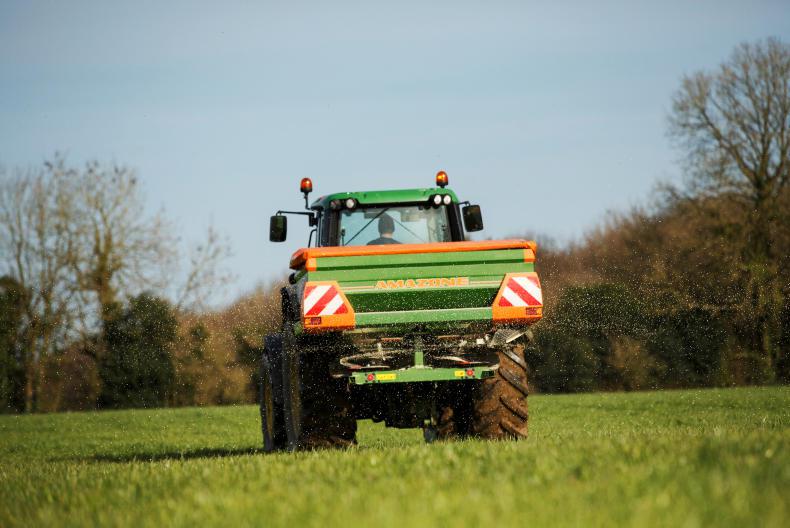
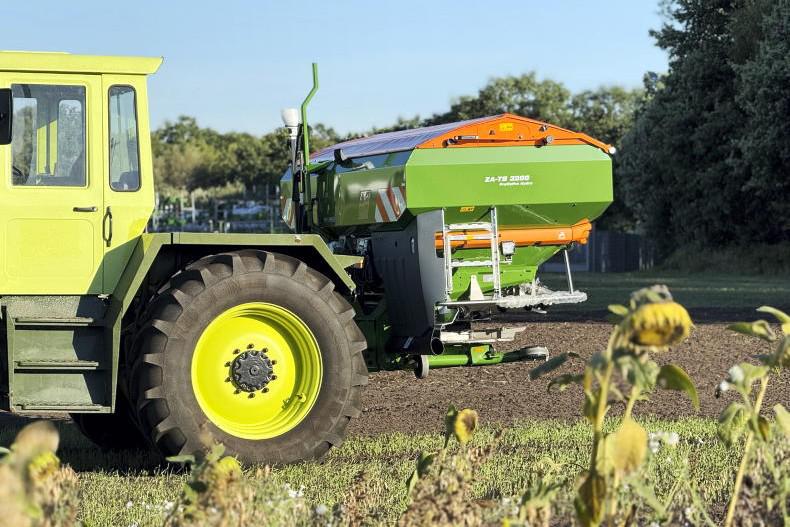
For some farmers buying a new fertiliser spreader may not be financially viable or even necessary. When in the market for a used fertiliser spreader, it’s no different to buying any used machine. A first glance will tell a lot about how well the spreader was maintained and looked after.
General condition
Artificial fertiliser is a corrosive product, and if a spreader is not washed down and oiled after each use before it’s parked up, it will begin to rust and corrode.
Rust may also be an indicator that the machine was left outside rather than being housed. Faded plastic parts and dulling of paintwork will indicate that the spreader was exposed to weather.
The condition of the frame should be inspected for any cracks or damage, especially where the hopper is attached to the frame. The base of the hopper should be parallel with the frame.
If the previous user constantly let the spreader down on the ground too quickly while fully loaded, it would damage the joints between the hopper and frame.
As a rule of thumb, all spreaders should be thoroughly power-washed after use. They should also be oiled prior to storage.
Vanes and discs
The condition of the spreading vanes should be inspected. The vanes should be smooth and be tightly held in place. Vanes with a wrinkled effect are worn. Likewise, these vanes may have a track worn against the top lip.

Vanes with a wrinkled effect are worn.
This will cause a deviation in the spread pattern as the fertiliser won’t be able to flow off the vane evenly.
Both of these signs of wear in the vanes will lead to a deviation in the spread pattern as the fertiliser won’t be able to flow off the vane evenly.
A new set of genuine vanes to fit a typical farmer’s specification Amazone mounted spreader would cost around €400 plus VAT.
The discs themselves don’t wear, but it is important that the scales are on the disc for accurate setting up of the machine.

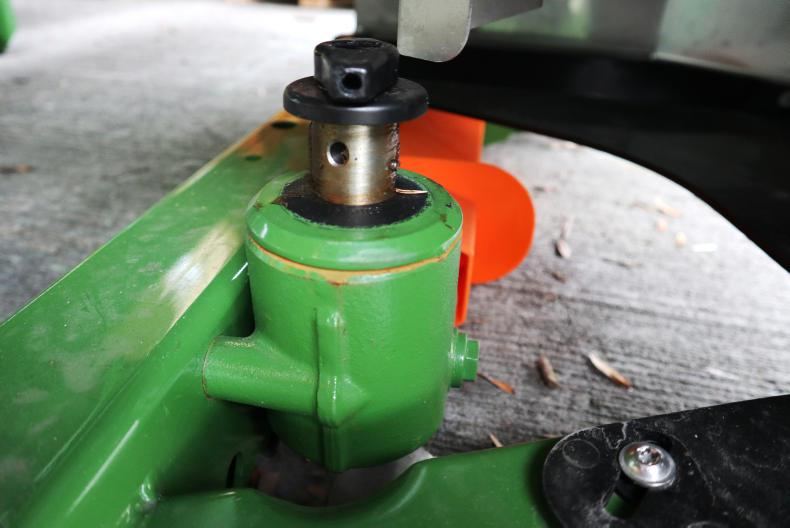
Potential buyers should check the disc for vertical play or rocking. It may indicate that the bearings need to be replaced.
Potential buyers should check the disc for vertical play or rocking. This will indicate wear in the bearings of the gearbox. Typically, around 1mm of play will be OK, but anything more and the bearings will need to be replaced. These bearings are often maintenance-free or sealed as part of the gearbox.
Gearbox
Farmers shouldn’t buy a fertiliser spreader unless it is seen working. The spreader should be put on to a tractor and the oil in the gearbox should be inspected.

Many manufacturers say that the oil will last a lifetime. However, it is good practice to check the oil once per season and change it every few years.
The gearbox is located underneath the spreading discs. The oil should be checked by opening the bung to the rear.
Ideally, the oil should be clear and not brown or cloudy. Although many manufacturers say that the oil will last a lifetime, it is good practice to check the oil once per season and change it every few years.
If the gearbox is damaged, often it works out cheaper to replace the entire gearbox rather than refurbishing it.
Hopper grills
Hopper grills are used on many spreaders. These have a number of purposes. They protect the agitator against tough lumps of fertiliser, foreign objects getting caught in the agitator and they prevent the risk of a person falling into the spreader.

If an agitator is damaged, it will affect the flow rate of the fertiliser.
These hopper grills are usually held in place with plastic latches or hinges. Broken or missing latches/hinges may cause the grills to rub against the hopper, damaging its surface. Badly bent grills may indicate that a large bag of fertiliser was dropped on to the grills, again indicating how well the machine was previously looked after.

Badly bent grills may indicate that a large bag of fertiliser was dropped on to the grills, indicating how well the machine was previously looked after.
Hopper cover
The hopper cover is used to keep fertiliser dry and to keep any water or dirt out of the spreader. The canvas should be inspected for any damage.

Many manufacturers offer a canvas repair kit that may be more economical that replacing the entire cover.
Many manufacturers offer a canvas repair kit that may be more economical than replacing the entire cover.
If a spreader is constantly exposed to the weather, it would not be unusual for the cover to deteriorate after 10 to 12 years. The cover should be opened to check that the frame is OK.
Safety
The vast majority of mounted fertiliser spreaders in Ireland are PTO-driven, with a small number being hydraulically driven.

It is important that the PTO shaft cover and safety chains are present and intact.
The universal joints on both ends of the PTO shaft should be inspected for wear. It is important that the PTO shaft cover and safety chains are present and intact. The hydraulic hoses should be inspected for cracks, damage or leakages. If fitted with taps to isolate the flow of oil to the shutters, these should be working.
If lights and reflectors are fitted, it’s important that they are functional.

If lights and reflectors are fitted, it’s important that they are functional.
This is especially important on larger mounted spreaders with extensions where the tractor’s rear lights are concealed.
Calibration kit
It’s essential that used machines are purchased with a calibration kit in order to set up the machine as accurately as possible. TJ noted that it’s vital the vanes are correctly calibrated in order to broadcast various blends and mixes of fertiliser accurately. Calibration kits can be purchased. However, again this will be an added cost. Many modern spreaders can now avail of an app to determine machine settings, however, the calibration hardware is still required and recommended.
Hopper shutters/agitator
Different manufacturers may use single shutter or twin shutter designs. Regardless of the design, the shutters should open and close to an equal width. This can be calibrated using a bolt or drill bit. It can be measured using a callipers. If the shutters are hydraulically opened, check the springs for stretch that close them.
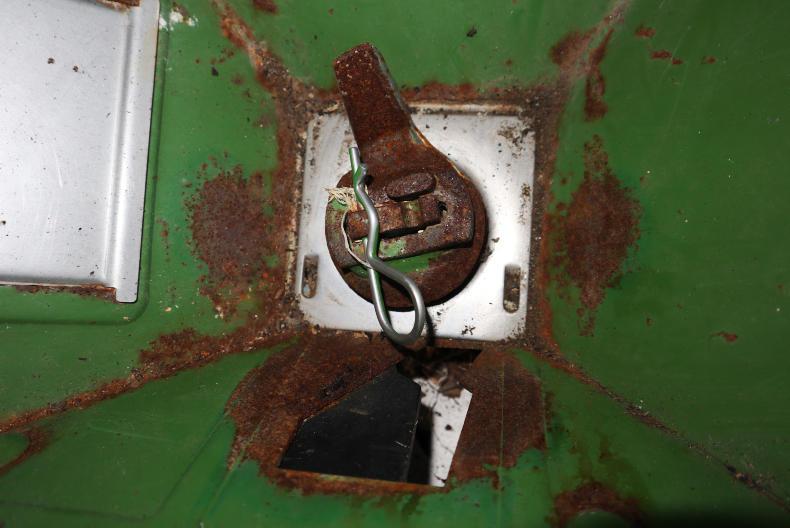
If an agitator is damaged, it will affect the flow rate of the fertiliser. Different manufacturers use different systems such as a finger agitator or a spiral agitator. One thing that TJ noted was that if the finger/spiral agitator is being held in using an R-clip, then the same restraint should be used on both sides.
For some farmers buying a new fertiliser spreader may not be financially viable or even necessary. When in the market for a used fertiliser spreader, it’s no different to buying any used machine. A first glance will tell a lot about how well the spreader was maintained and looked after.
General condition
Artificial fertiliser is a corrosive product, and if a spreader is not washed down and oiled after each use before it’s parked up, it will begin to rust and corrode.
Rust may also be an indicator that the machine was left outside rather than being housed. Faded plastic parts and dulling of paintwork will indicate that the spreader was exposed to weather.
The condition of the frame should be inspected for any cracks or damage, especially where the hopper is attached to the frame. The base of the hopper should be parallel with the frame.
If the previous user constantly let the spreader down on the ground too quickly while fully loaded, it would damage the joints between the hopper and frame.
As a rule of thumb, all spreaders should be thoroughly power-washed after use. They should also be oiled prior to storage.
Vanes and discs
The condition of the spreading vanes should be inspected. The vanes should be smooth and be tightly held in place. Vanes with a wrinkled effect are worn. Likewise, these vanes may have a track worn against the top lip.
Vanes with a wrinkled effect are worn.
This will cause a deviation in the spread pattern as the fertiliser won’t be able to flow off the vane evenly.
Both of these signs of wear in the vanes will lead to a deviation in the spread pattern as the fertiliser won’t be able to flow off the vane evenly.
A new set of genuine vanes to fit a typical farmer’s specification Amazone mounted spreader would cost around €400 plus VAT.
The discs themselves don’t wear, but it is important that the scales are on the disc for accurate setting up of the machine.
Potential buyers should check the disc for vertical play or rocking. It may indicate that the bearings need to be replaced.
Potential buyers should check the disc for vertical play or rocking. This will indicate wear in the bearings of the gearbox. Typically, around 1mm of play will be OK, but anything more and the bearings will need to be replaced. These bearings are often maintenance-free or sealed as part of the gearbox.
Gearbox
Farmers shouldn’t buy a fertiliser spreader unless it is seen working. The spreader should be put on to a tractor and the oil in the gearbox should be inspected.
Many manufacturers say that the oil will last a lifetime. However, it is good practice to check the oil once per season and change it every few years.
The gearbox is located underneath the spreading discs. The oil should be checked by opening the bung to the rear.
Ideally, the oil should be clear and not brown or cloudy. Although many manufacturers say that the oil will last a lifetime, it is good practice to check the oil once per season and change it every few years.
If the gearbox is damaged, often it works out cheaper to replace the entire gearbox rather than refurbishing it.
Hopper grills
Hopper grills are used on many spreaders. These have a number of purposes. They protect the agitator against tough lumps of fertiliser, foreign objects getting caught in the agitator and they prevent the risk of a person falling into the spreader.
If an agitator is damaged, it will affect the flow rate of the fertiliser.
These hopper grills are usually held in place with plastic latches or hinges. Broken or missing latches/hinges may cause the grills to rub against the hopper, damaging its surface. Badly bent grills may indicate that a large bag of fertiliser was dropped on to the grills, again indicating how well the machine was previously looked after.
Badly bent grills may indicate that a large bag of fertiliser was dropped on to the grills, indicating how well the machine was previously looked after.
Hopper cover
The hopper cover is used to keep fertiliser dry and to keep any water or dirt out of the spreader. The canvas should be inspected for any damage.
Many manufacturers offer a canvas repair kit that may be more economical that replacing the entire cover.
Many manufacturers offer a canvas repair kit that may be more economical than replacing the entire cover.
If a spreader is constantly exposed to the weather, it would not be unusual for the cover to deteriorate after 10 to 12 years. The cover should be opened to check that the frame is OK.
Safety
The vast majority of mounted fertiliser spreaders in Ireland are PTO-driven, with a small number being hydraulically driven.
It is important that the PTO shaft cover and safety chains are present and intact.
The universal joints on both ends of the PTO shaft should be inspected for wear. It is important that the PTO shaft cover and safety chains are present and intact. The hydraulic hoses should be inspected for cracks, damage or leakages. If fitted with taps to isolate the flow of oil to the shutters, these should be working.
If lights and reflectors are fitted, it’s important that they are functional.
If lights and reflectors are fitted, it’s important that they are functional.
This is especially important on larger mounted spreaders with extensions where the tractor’s rear lights are concealed.
Calibration kit
It’s essential that used machines are purchased with a calibration kit in order to set up the machine as accurately as possible. TJ noted that it’s vital the vanes are correctly calibrated in order to broadcast various blends and mixes of fertiliser accurately. Calibration kits can be purchased. However, again this will be an added cost. Many modern spreaders can now avail of an app to determine machine settings, however, the calibration hardware is still required and recommended.
Hopper shutters/agitator
Different manufacturers may use single shutter or twin shutter designs. Regardless of the design, the shutters should open and close to an equal width. This can be calibrated using a bolt or drill bit. It can be measured using a callipers. If the shutters are hydraulically opened, check the springs for stretch that close them.
If an agitator is damaged, it will affect the flow rate of the fertiliser. Different manufacturers use different systems such as a finger agitator or a spiral agitator. One thing that TJ noted was that if the finger/spiral agitator is being held in using an R-clip, then the same restraint should be used on both sides.







SHARING OPTIONS