Major changes to slurry and fertiliser rules will have profound implications for livestock and tillage farmers in 2023.
Most of these rule changes come into force from 1 January.
Here is what you need to know.
Banding and stocking rates
Banding is being introduced for all dairy farmers, with 76% of farmers seeing the organic nitrogen rate per cow increasing from 89kg per cow to either 92kg or 106kg per cow. This means more farmers are going to be in derogation or exceed derogation limits. A midterm review of the Nitrates Action Programme in 2023 is going to cut the maximum stocking rate for derogation farms from 250kg to 220kg/ha. This will mean the maximum stocking rate for a 100ac farm will go from 118 cows in 2020 to potentially 83 cows in 2024 depending on milk yield.
Maximum nitrogen cut
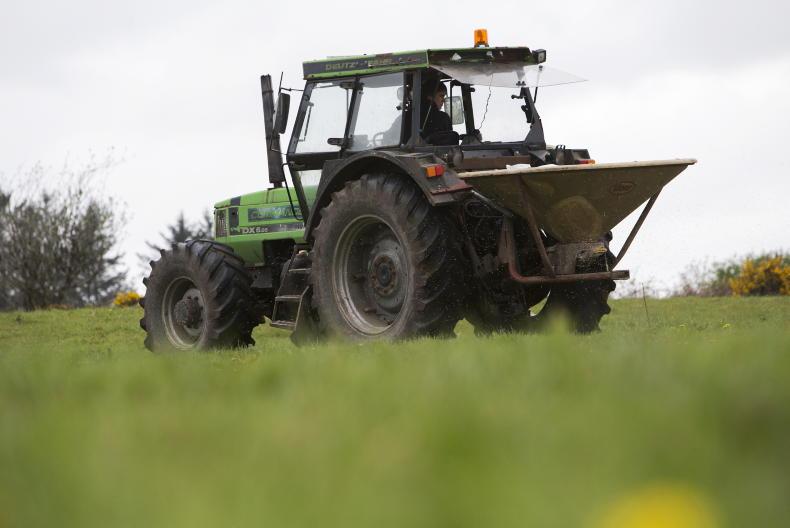
The maximum amount of chemical nitrogen that can be applied is being cut by 10% for all farmers from 1 January 2023.
Slurry import and export changes
All farmers stocked at greater than 130kg of organic N per hectare will have to carry out soil sampling and a nutrient management plan this year.
If they don’t, all their farm will be assumed to be at phosphorus index 4, meaning they cannot purchase any chemical phosphorus or import slurry.
The calculated amount of chemical nitrogen contained in 1t of slurry has halved from 5kg to 2.4kg, but there has been no change to phosphorus levels in slurry. This means that farmers exporting slurry need to export twice as much volume to remove the same level of organic nitrogen from their holding. Meanwhile, farmers importing slurry may be unable to take in more volume because of their phosphorus allowance.
Importing farmers need to prove to the Department that they need more phosphorous to build soil fertility before they can sign up to import any slurry, or face BISS penalties for non-compliance.
Low emission spreading
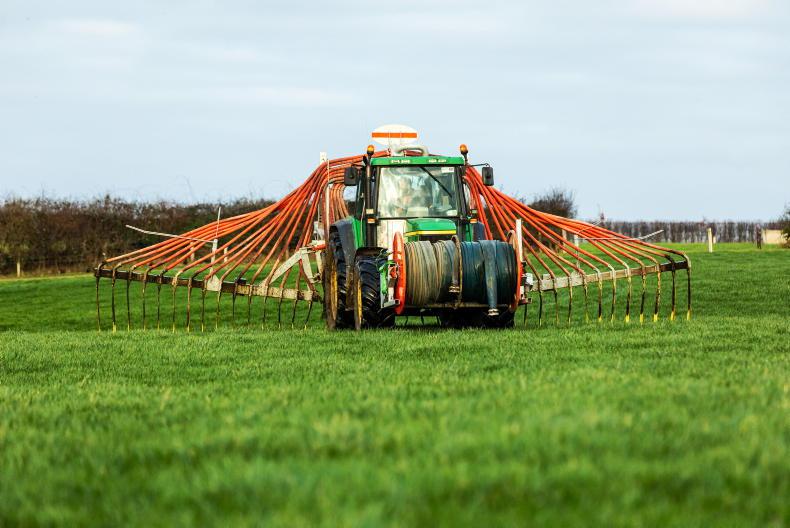
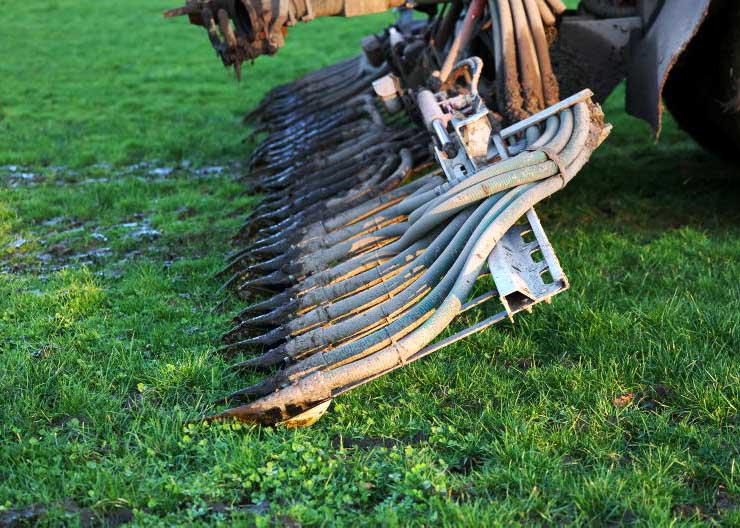
Low emission slurry spreading (LESS) is set to become mandatory for all farmers stocked above 150kg of organic nitrogen (N) per hectare 1 January 2023.

All farmers stocked greater than 130kg N/ha must use LESS from January 2024, and all farmers stocked above 100kg N/ha must use LESS from January 2025.
Fertiliser database
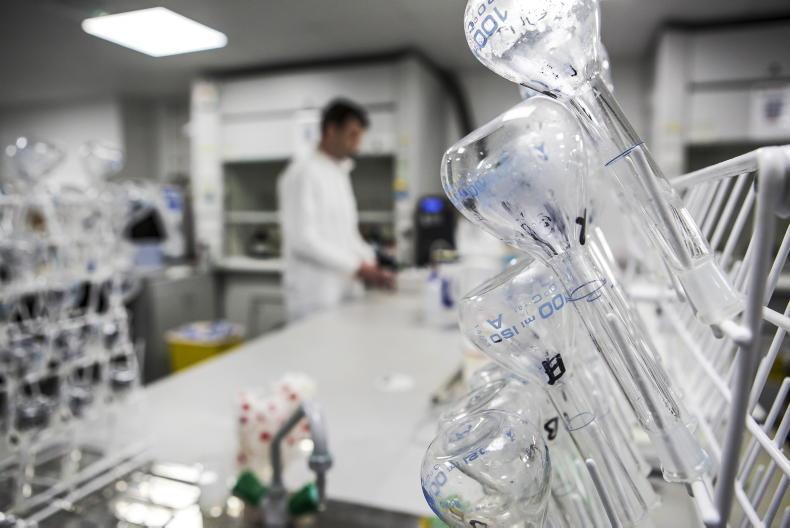
A fertiliser database was to be introduced in January 2023, which will record and track all fertiliser sales on to farms. The centralised computer-based system was delayed due to its link with the delayed animal remedies legislation, so it is expected to be a paper-based system initially.

Fertiliser database.
Green cover on tillage ground
Several changes coming into force will affect tillage farmers. To reduce potential losses of nutrients post-harvest, shallow cultivation or sowing of a crop must be completed post-harvest in certain counties.

Green cover.
Shallow cultivation or sowing of a crop post-harvest is required in counties Carlow, Cork, Dublin, Kildare, Kilkenny, Laois, Louth, Meath, Offaly, Tipperary, Waterford, Westmeath, Wexford and Wicklow.
Other counties are exempt from the requirement to undertake this action.
The shallow cultivation or the sowing of a crop must be undertaken within 10 days of the chopping or baling of straw after harvest. In all cases, where shallow cultivation or sowing of a crop is required, it must take place within 14 days of harvesting.
Major changes to slurry and fertiliser rules will have profound implications for livestock and tillage farmers in 2023.
Most of these rule changes come into force from 1 January.
Here is what you need to know.
Banding and stocking rates
Banding is being introduced for all dairy farmers, with 76% of farmers seeing the organic nitrogen rate per cow increasing from 89kg per cow to either 92kg or 106kg per cow. This means more farmers are going to be in derogation or exceed derogation limits. A midterm review of the Nitrates Action Programme in 2023 is going to cut the maximum stocking rate for derogation farms from 250kg to 220kg/ha. This will mean the maximum stocking rate for a 100ac farm will go from 118 cows in 2020 to potentially 83 cows in 2024 depending on milk yield.
Maximum nitrogen cut
The maximum amount of chemical nitrogen that can be applied is being cut by 10% for all farmers from 1 January 2023.
Slurry import and export changes
All farmers stocked at greater than 130kg of organic N per hectare will have to carry out soil sampling and a nutrient management plan this year.
If they don’t, all their farm will be assumed to be at phosphorus index 4, meaning they cannot purchase any chemical phosphorus or import slurry.
The calculated amount of chemical nitrogen contained in 1t of slurry has halved from 5kg to 2.4kg, but there has been no change to phosphorus levels in slurry. This means that farmers exporting slurry need to export twice as much volume to remove the same level of organic nitrogen from their holding. Meanwhile, farmers importing slurry may be unable to take in more volume because of their phosphorus allowance.
Importing farmers need to prove to the Department that they need more phosphorous to build soil fertility before they can sign up to import any slurry, or face BISS penalties for non-compliance.
Low emission spreading
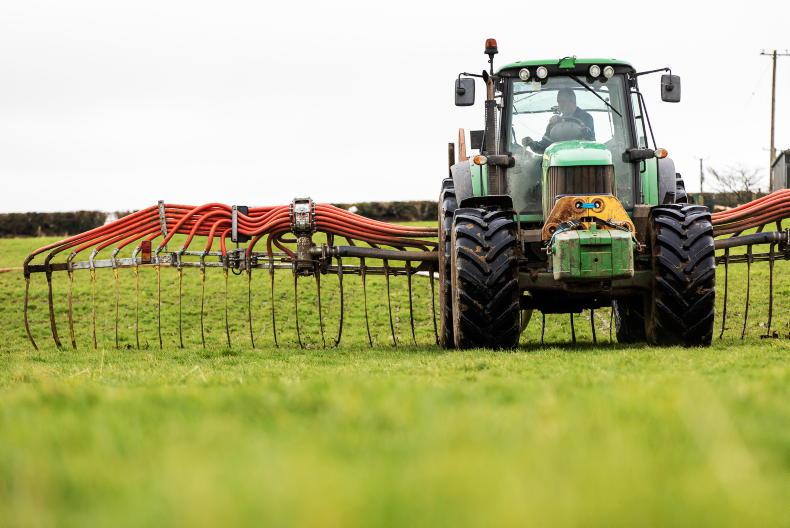
Low emission slurry spreading (LESS) is set to become mandatory for all farmers stocked above 150kg of organic nitrogen (N) per hectare 1 January 2023.
All farmers stocked greater than 130kg N/ha must use LESS from January 2024, and all farmers stocked above 100kg N/ha must use LESS from January 2025.
Fertiliser database
A fertiliser database was to be introduced in January 2023, which will record and track all fertiliser sales on to farms. The centralised computer-based system was delayed due to its link with the delayed animal remedies legislation, so it is expected to be a paper-based system initially.
Fertiliser database.
Green cover on tillage ground
Several changes coming into force will affect tillage farmers. To reduce potential losses of nutrients post-harvest, shallow cultivation or sowing of a crop must be completed post-harvest in certain counties.
Green cover.
Shallow cultivation or sowing of a crop post-harvest is required in counties Carlow, Cork, Dublin, Kildare, Kilkenny, Laois, Louth, Meath, Offaly, Tipperary, Waterford, Westmeath, Wexford and Wicklow.
Other counties are exempt from the requirement to undertake this action.
The shallow cultivation or the sowing of a crop must be undertaken within 10 days of the chopping or baling of straw after harvest. In all cases, where shallow cultivation or sowing of a crop is required, it must take place within 14 days of harvesting.






SHARING OPTIONS