


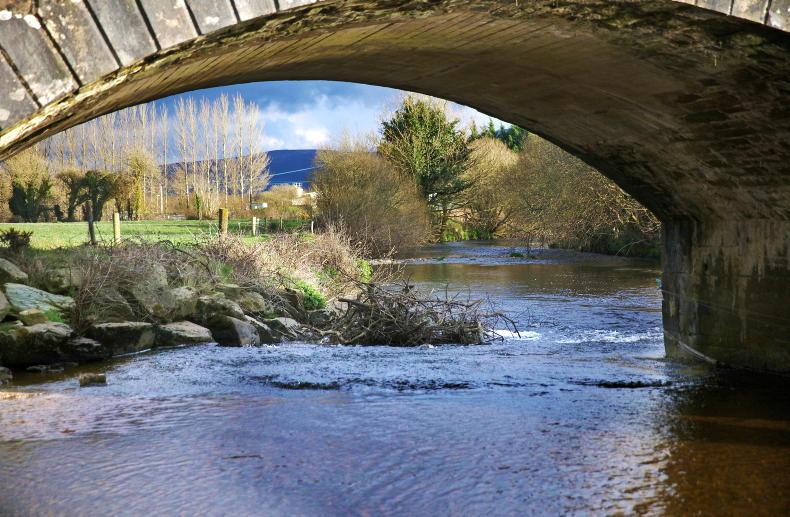
Average annual nitrogen levels at 20 representative river monitoring sites increased by 10% in 2025 compared with 2024, data from the Environmental Protection Agency (EPA) shows.
The data was published in the Early Insights Nitrogen Indicators report, which provide the latest assessment of nitrogen levels in Ireland’s major rivers for the period January to December 2025.
“Nitrogen levels remain elevated across the southeastern half of the country, where agriculture is the primary nitrogen source,” the EPA said.
“Sustained and targeted action to reduce nitrogen losses is required in the higher-risk agricultural areas, where the farming intensity is relatively high and the soils are freely draining,” it said.
It added that targeted actions are needed to support improvements in aquatic ecological health and improve overall water quality.
Factors influencing nitrogen concentrations
The report outlines a number of key factors which influenced nitrogen concentrations in rivers in 2024 and 2025.
“Fertiliser nitrogen sales increased by 10.6% in 2024 compared with 2023, followed by a further 12.5% increase in 2025, as reported by the Department of Agriculture, Food and the Marine,” the EPA said.
“While fertiliser sales are not necessarily directly correlated with losses of nitrogen to the environment, because of the influences of farm practice and farm soil type for example, they are nevertheless an indicator of increases in source loading and are a factor in increases in nitrogen concentrations in waters,” it said.
The increase observed in 2025 highlights the continued pressure on water quality
Between 2023 and 2024, Central Statistics Office livestock survey data indicates a 3.3% reduction in the national herd, the report said, with results not yet available for 2025. Decreases in animal numbers are associated with decreases in the source loading, it said.
Rainfall
Overall, 2025 was wetter than 2024, with above-average rainfall nationally, while rainfall in 2024 was broadly average, the EPA added.
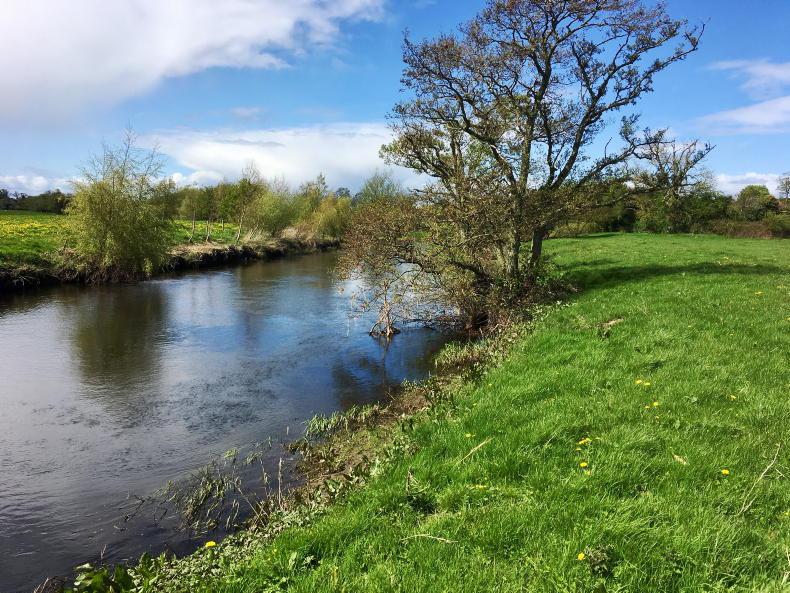
“Annual river flows were higher in 2025 in most catchments, compared [with] 2024. Flows were lower during the first half of 2025 than during the same period in 2024, but were higher in the second half of 2025 compared with 2024.
“The weather patterns in 2024 and 2025 were mixed, with relatively normal nutrient transport conditions in 2024 and the potential for increased nutrient transport in the latter part of 2025, which may increase nutrient levels in 2026 and beyond,” it said.
EPA director at its office of radiation protection and environmental monitoring Pat Byrne said the report provides timely evidence on how nitrogen levels in our rivers are changing.
“The increase observed in 2025 highlights the continued pressure on water quality and underlines the need for sustained, targeted action to reduce losses of nitrogen used in agriculture, particularly in higher risk catchments in the southeastern half of the country. "
The EPA said that while this early report provides a conservative estimate of national nitrogen concentrations, the full national dataset is also expected to show an increase in nitrogen levels for 2025.
The annual indicator report for 2025, incorporating the comprehensive national network, will be published later in the year.




SHARING OPTIONS