


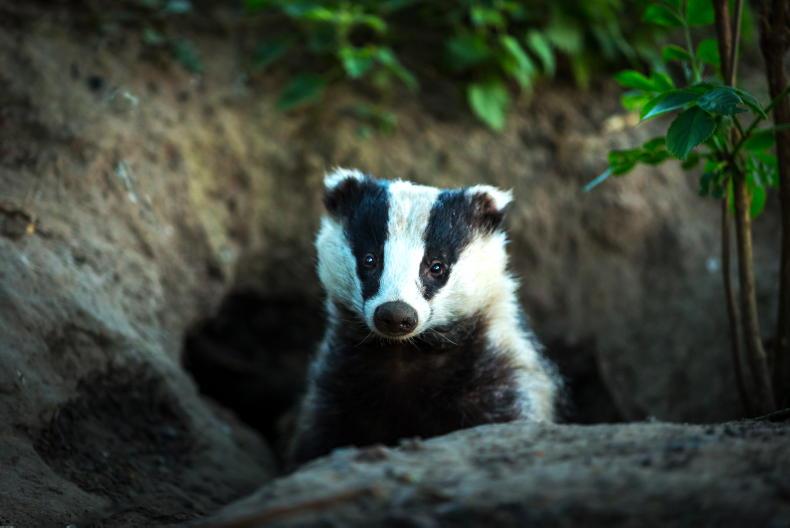
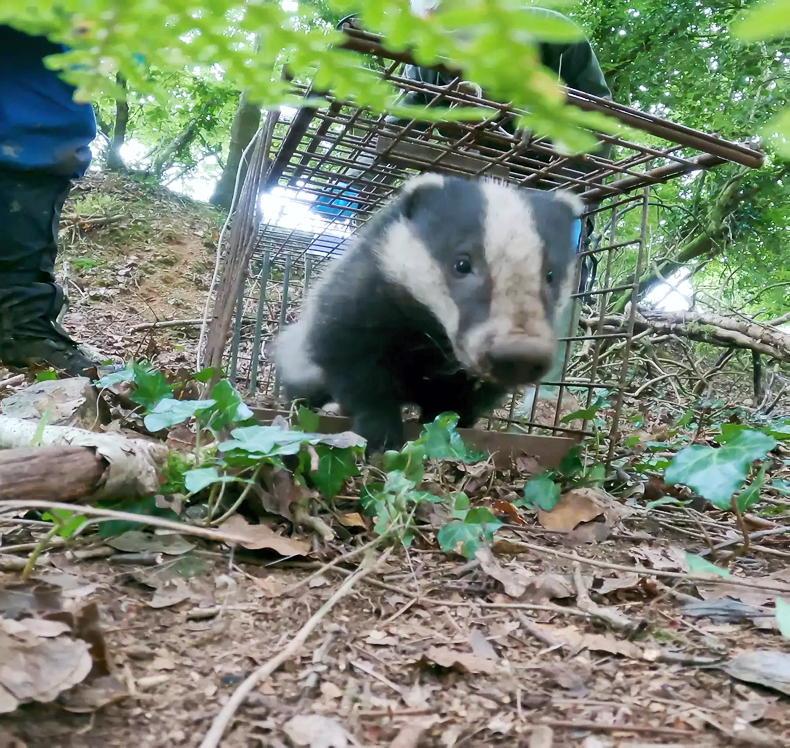
A new study into the genetic make up of TB strains in cattle and badgers has found “strong genetic similarities” between the two species.
The research was conducted across the island of Ireland and involved the analysis of almost 6,000 TB samples from cattle and badgers.
The study, which has been published in the Irish Veterinary Journal, states that badgers are “a key wildlife reservoir” of the disease.
“When sampling density is high enough, badgers are frequently found to share strains with cattle, which indicates transmission of infection between species,” the research paper reads.
The project was conducted by scientists from the Department of Agriculture, Food and Marine, as well as University College Dublin and the Agri Food and Biosciences Institute.
The study found that cattle tend to have a wider genetic variation in TB strains than badgers.
Badgers act as “stable local reservoirs” of infection, whereas strains in cattle are “more dynamic” and are influenced by factors such as long-distance animal movements.
The researchers also found that 30% of TB outbreaks in cattle herds involved more than one TB strain, which indicates “multiple introductions rather than a single transmission event”.
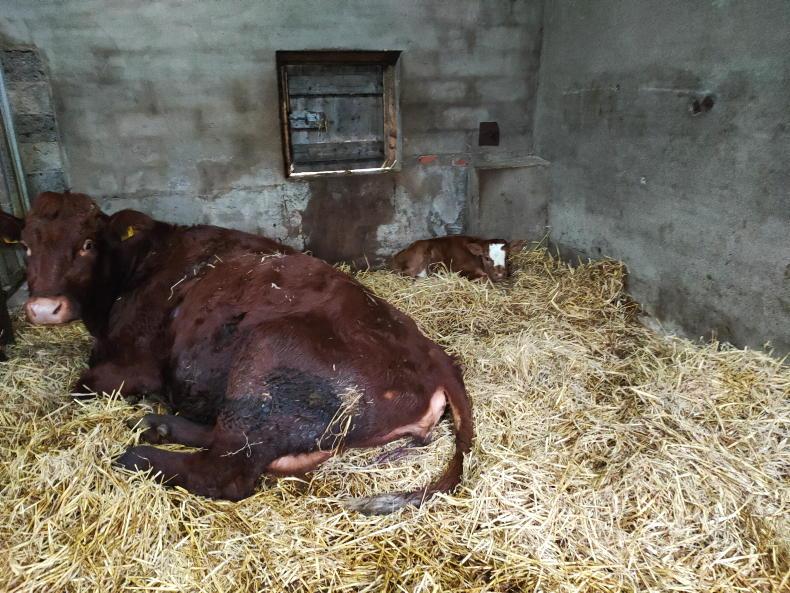
Multi-strain outbreaks were found to be common in beef finishing units where TB infections were “more likely driven by inward cattle movements than local transmission”.




SHARING OPTIONS