


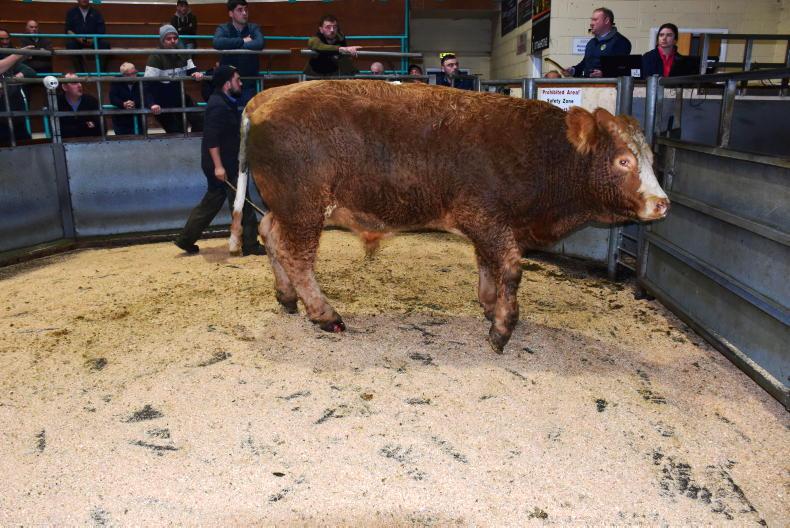
While reports suggest the beef trade has generally steadied over the Christmas period, there is no doubt that the 10p that came off prices paid in the last few weeks is partly because of DAERA’s Beef Carbon Reduction (BCR) scheme.
The scheme helped ensure factories did not face a shortage of cattle in December, with producers keen to market stock before the age limit is cut again.
That age limit was initially 30 months and in 2025 it was cut to 28 months. From January 2026 it reduces to 27 months and from 2027 onwards it is 26 months.
However, it was not just the age limit that encouraged farmers to kill cattle before the year end. Someone who slaughters an eligible animal on 31 December, will get their £75/head payment just a few weeks later (in March 2026). But eligible animals killed on Friday 2 January won’t get the payment until March 2027.
Challenging
Looking ahead to 2026, some factory agents think the 27-month limit is challenging and more farmers will decide it is not worth the hassle – that could be the outcome, especially if prices stay strong. Either way, it is important that the department evaluate the scheme carefully during 2026 as there is a fine line between having a stretching target and one that is off-putting as it is too difficult to reach.
The same can be said of the criteria that have to be met to avail of the £100/head suckler cow payment and in particular the requirements around calving interval, which reduces from a maximum of 415 days this year, to 385 days by year four.
But even if farmers find this target impractical over time, there also seems to be a cohort who have already thrown in the towel, with June 2025 census results showing suckler numbers dropped to just 213,774, a 55-year low.
Perhaps what is actually happening in practice, is if you have a cow or heifer that won’t meet the criteria for the £100 payment, then it is an added reason to remove it from your herd. In effect, the scheme isn’t saving the suckler herd, but hastening a major downsize.




SHARING OPTIONS