


The herd incidence rate of bovine TB has dropped below 10% for the first time since January 2024 and is at its lowest level since September 2022, the latest figures published by DAERA show.
At the end of December 2025, annual TB herd incidence, which is calculated by dividing the number of new reactor herds by the total number presenting cattle for testing, stood at 9.90%. That is down from the 10.70% seen in December 2024 and the 10.05% in December 2023.
Across all of 2025, there were 18,892 TB reactors found at tests, which is an 8% drop compared to the 20,510 head from the previous year.
However, the 2025 total is still the second highest on record, with numbers of reactors across the first half of the year almost identical to the same period in 2024. But since then, reactor animals started to tail off in NI and in the last four months of 2025 they were actually down nearly 17% on the 2024 equivalent. It is that reduction in reactors towards the end of last year that has taken the annual herd incidence rate below 10%.
It is too early to conclude that TB reactors in NI might be on a sustained downward curve. At the Stormont Agriculture committee last Thursday, DAERA permanent secretary, Katrina Godfrey said the figures were “a slight positive” but that the disease is still likely to cost tax payers over £60m in the current financial year. “Falling from too high to still too high doesn’t really help me,” she said.
Actions
At the meeting, DAERA Minister Andrew Muir was questioned on what actions are being taken to tackle the disease. He said work is underway to expand the use of gamma-interferon (blood) testing, as well as a vet-led biosecurity scheme and a review of TB testing on farms.
He also maintained that a consultation will take place “in the time ahead” on options to control TB in wildlife.
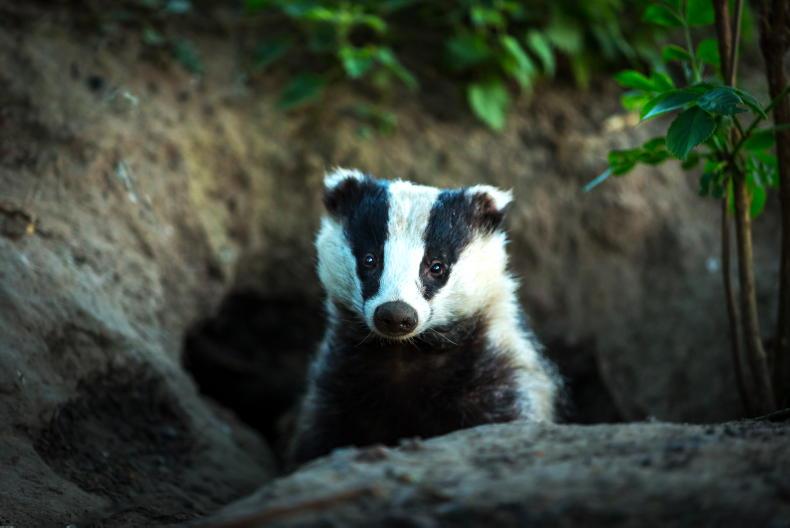
The last time that happened under previous DAERA minister, Edwin Poots, it fell at the first hurdle due to a judicial review taken by badger groups.
Minister Muir insisted it was not as simple as just re-launching that particular consultation.
“It’s important that we do not do something which is actually highly vulnerable to legal challenge. I’m doing all I can, but I’m trying to do it make sure it’s done through proper process and done correctly,” he told MLAs.




SHARING OPTIONS