


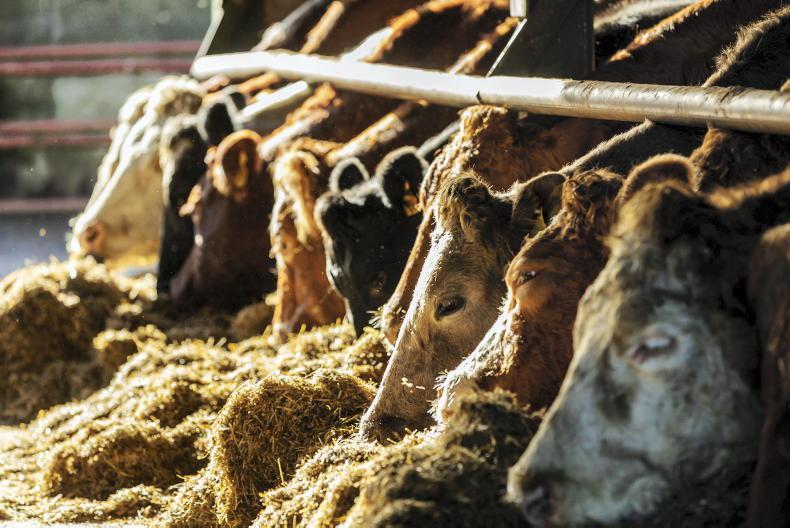
Northern Ireland’s beef and sheep producers are being urged to strengthen liver fluke control following the third-wettest autumn on record for housed cattle.
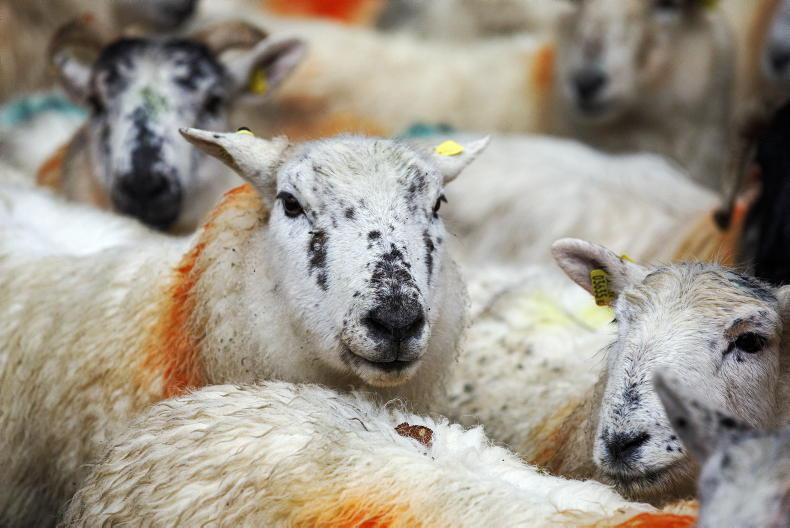
Sheep farmers face ongoing challenges as saturated grazing conditions continue to heighten infection risks.
Liver fluke, a parasitic flatworm, thrives in wet pastures where mud snails act as the intermediate hosts, making low-lying poorly drained fields hotspots for contamination.
Lifecycle and risk periods
Fluke infection typically peaks in late summer and autumn when infective cysts (metacercariae) appear on pasture.
Once ingested, immature fluke migrate through the liver, causing tissue damage, before maturing in the bile ducts.
It takes approximately 12 weeks for the flukes to reach the adult stage, at which point they begin laying eggs.
During this 12-week period, fluke are classified according to their stage of development: the first five to six weeks as early immature fluke, weeks six to 10/11 as immature fluke and week 11 onwards as adult fluke.
Acute and chronic disease
Liver fluke disease occurs in two forms: acute and chronic.
Acute fluke, mainly in sheep, happens when large numbers of immature parasites migrate through the liver. It can be fatal and causes serious welfare issues. Symptoms include a swollen, painful abdomen and anaemia and can result in sudden death.
Chronic fluke is more common and affects both sheep and cattle, usually in winter and spring, though infection can persist year-round. Signs include poor growth, reduced fertility and the classic bottle jaw swelling.
Migrating liver fluke can also predispose animals to the clostridial infection and care should be taken to ensure that cattle and sheep in fluke-affected areas are fully vaccinated against this disease.
Treatment
Treating chronic (adult) liver fluke infections in cattle and sheep during winter or early spring is vital to reduce pasture contamination with eggs.
In these cases, a product targeting adult fluke is usually sufficient.
Several flukicides are available, but effectiveness varies by stage. Some only kill adult liver fluke, so timing matters.
For example, if using an adult-only product, cattle should be treated at least 11 weeks after housing to ensure all fluke have matured.
Farmers should also note that resistance is a growing issue in Northern Ireland.
Triclabendazole - the only product licensed in the UK and Ireland for immature liver fluke - has been widely used for years and its effectiveness may now be reduced on some farms. This poses challenges for treating acute cases in sheep.





SHARING OPTIONS