


Planning for Christmas: Christmas is fast approaching and a little bit of forward planning is needed as merchants and agri professionals take some well-earned holidays and close their doors.
Feed and bedding supplies are two of the critical things to ensure that there is enough stock of to carry you over the Christmas period, and simple back of the matchbox sums should ensure that you don’t run out.
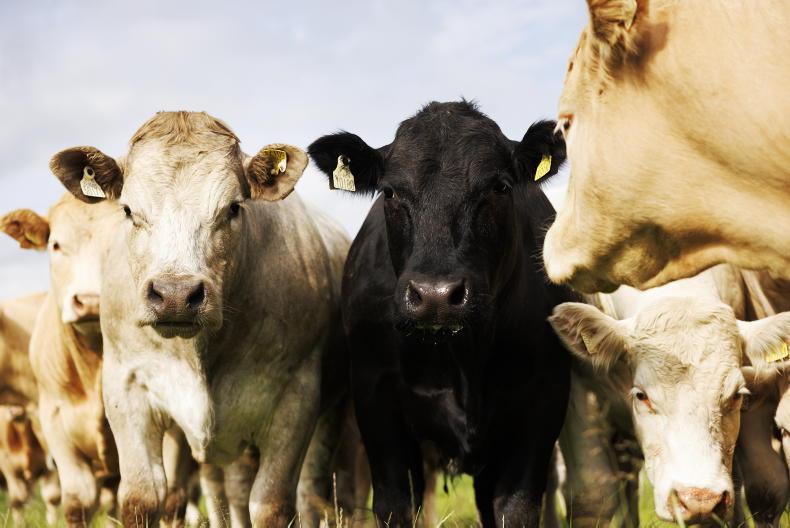
Calculate how many kilogrammes of meal are going to each group of cattle and see where that leaves current supplies. For example, 50 head of finishing heifers @5kg/meal/head/day is 250kg per day.
If your six-tonne meal bin has just been filled up today, that’s only 24 days of feed, which puts you running out of meal on the first week of January.
Getting feed bins topped up or buying some bagged meal of the same type to tide you over should suffice and avoid panic in the Christmas weeks. The same can be said for straw or hay supplies, plan now what you will need and get it in your yard in time.
Liver fluke: It’s been a particularly wet back end, with November having been the wettest on record in 85 years in some parts of the country. Fluke is rampant at the minute.
At a meeting in Inishowen Co-op in Donegal last week, it was noted that over half of the heifers recently slaughtered at a nearby plant had evidence of liver fluke damage.
Clinical signs are relatively obvious, such as weight loss, anaemia, diarrhoea etc, but sub-clinical fluke can also be a problem, where seemingly healthy animals can suddenly drop dead due to liver damage caused by fluke.
New tests for fluke have been released this year, which allow detection from a pin prick of a blood sample that can be completed on farm and show exposure to liver fluke as early as two weeks.
While the test is on the more expensive side to faecal sampling, it should provide a rapid and more accurate result.
It is also worth noting that 70% of farms have recorded resistance to the use of triclabendazoles, which treat all three stages of liver fluke. As always, consult your vet in the best means of handling fluke on your farm.
Pre calving minerals: Spring-calving herds are just shy of six weeks away from the first calves hitting the ground. Pre calving minerals should be administered, with each type carrying their own positives and negatives.
While boluses are the most difficult to administer, many of them slowly release minerals over a six-month period, which should tick the box for breeding in May.
Drenches will typically last for four to six weeks, while powdered minerals can also work well for many farms, but will have to be fed daily. Cows should by now be batched according to approximate calving date, with dry cow minerals administered from six weeks pre-calving onwards.
Copper, zinc, iodine, selenium and magnesium are some of the key minerals that cattle require. Drenching of youngstock over the winter is also advisable to maintain thrive.
Oral drenches are likely the go-to for younger stock, which are easier handled than older cows.





SHARING OPTIONS