


Figures released by DAERA seem to back up claims made by beef processors that more cattle with bovine TB lesions are being found at slaughter in the last two years.
Responding to a written question from South Down DUP MLA Diane Forsythe, Agriculture Minister Andrew Muir provided data on the total number of TB reactors.
The figures include reactors at a traditional skin test, as well as cattle that gave a positive result to the Interferon gamma IFN-g blood test and those found with lesions at routine slaughter.
In 2023, there were 18,150 skin test reactors, alongside 1,438 with a positive blood test and 2,046 with lesions at slaughter. Out of all the cattle testing positive, 9.5% had lesions at slaughter.
In 2024, the number of skin test reactors increased 13% to 20,510, while those testing positive to the blood test was virtually unchanged at 1,432. However, there were 3,007 cattle found with lesions at slaughter, up 47% and accounting for 12% of all TB reactors.
The data in 2025 is not up-to-date with the slaughter data only complete to the end of March. However, in that 3-month period there were 677 cattle found with lesions, again representing 12% of all TB reactors.
Non-bovine
The information released by DAERA also includes figures on TB in non-bovines.
In 2023, a total of 42 farmed deer tested positive for TB, although there has been none since then. In the last three years, there has also been one positive case in a wild deer, as well as positive cases in four sheep, two pigs, three pet cats, one otter and one llama.
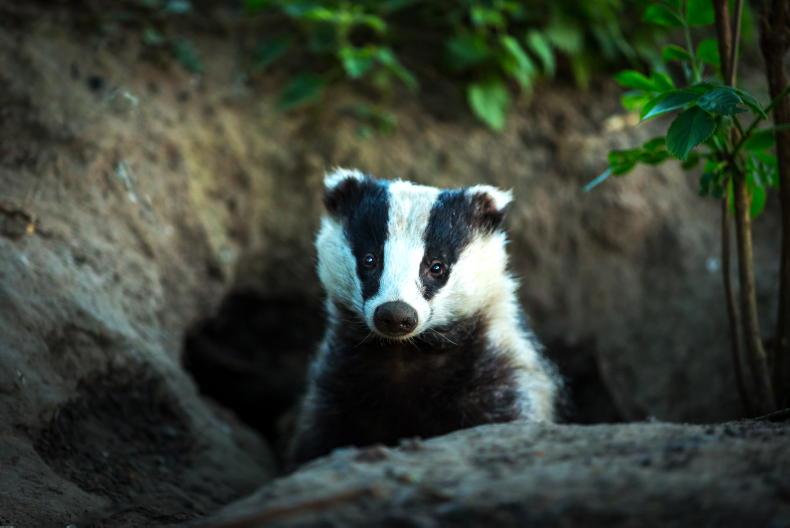
Most TB cases in non-bovines have been found in badgers, including 91 in 2023, 87 in 2024 and 38 cases up to 23 May 2025.


SHARING OPTIONS