Livestock farmers who fully engage with the new Bovine Genetics Project (BGP) being led by Sustainable Ruminant Genetics (SRG) Ltd, stand to make higher profits in their businesses, the chair of SRG has said.
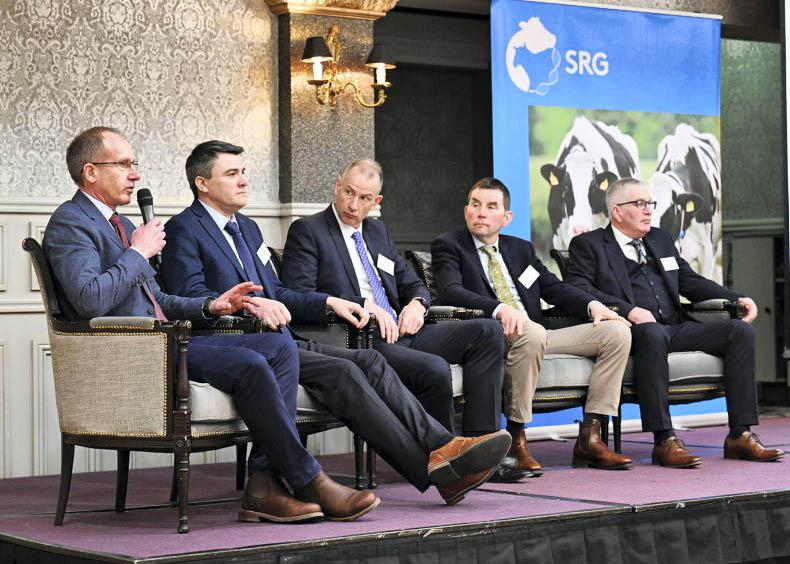
Speaking at a launch event in Cookstown on Tuesday, former UFU president Victor Chestnutt outlined how the combination of performance data and genetic information will allow NI to create a world-leading database.
“We are on the cusp of something that is truly exciting,” he said.
Training for farmers is due to begin from 1 September 2026 and from that date until the end of 2027 livestock producers will be able to get all their breeding animals genotyped by taking a sample using a tissue tag. Participants will also be required to genotype all dairy and beef calves during 2027.
The genotyping process is to be cost-neutral for farmers.
“DAERA has guaranteed us the money for in and around 1.2 to 1.3m cattle at £13 per head,” confirmed SRG CEO, John Moore.
Performance data
The other main part of the project is to gather performance data which can then be matched to this genetic information.
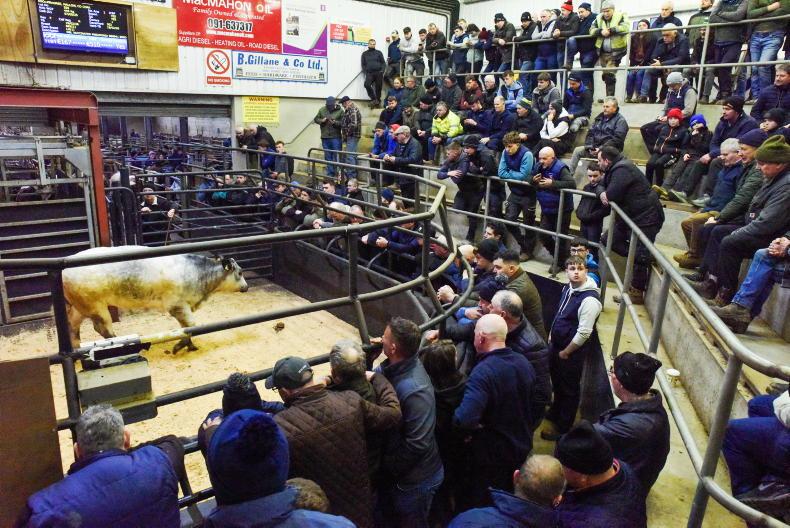
That data is to come from the likes of dairy and beef processors as well as local marts – most now have formal agreements in place to share data with SRG.
“The marts need a special mention. They really stepped up to the mark. We still have a couple of marts to get on board, but there is a lot of information coming through now. Hopefully by May 2026 we will have all the beef and dairy information flowing through our systems,” said Moore.
The data will be presented to farmers in various forms, with an online farmer portal to be launched at the 2026 Balmoral Show which will include benchmarking information on current performance within a herd.
Once animals are genotyped, there will then be information on the genetic make-up of individual animals.
In dairy, genomic evaluations will be facilitated by the Agriculture and Horticulture Development Board (AHDB) who produce a number of indexes, including the Profitable Lifetime Index (PLI).
In beef, genomic evaluations will be facilitated by the Irish Cattle Breeding Federation (ICBF), which opens up the possibility to have the likes of maternal and terminal indexes for beef breeding stock.
There is also a Commercial Beef Value (CBV) for non-breeding beef cattle which brings together traits such as carcase quality, feed intake, finishing age and docility.
“This will be on market boards in the future,” confirmed Lois McConaghy from SRG.
Register
Farmers who take part in the project will also find calf registration is a lot easier from 2028 onwards as it will be possible to automatically record sire and dam details using the DNA sample – farmers will just have to register the calf, adding in the colour and date of birth.
TB
One other potential gain from the project is around the issue of bovine TB.
AHDB now has an index (TB advantage) which helps dairy farmers breed cows with increased resistance to the disease.
“There is a clear distinction between those at the top and at the bottom [of the index]. The probability of going down with TB is greatly increased for those at the bottom,” said Marco Winters from AHDB.
Pilot scheme involved 35 farms
A total of 35 local farms took part in a pilot scheme for the BGP towards the end of 2025.
Of these, one third were beef, one third dairy and one third were pedigree breeders.
Over 4,000 animals were genotyped as part of the pilot project.
Sheep scheme
to be next
A number of references were made at the event on Tuesday to the possibility of introducing a sheep genetics scheme, although no definitive timelines were given.
“Our ambition is to roll out a genetics project for the sheep industry as soon as we can. We need to be able to justify the spend. We are engaging with ICBF around that. There is something going on in this space,” said Francis Breen from DAERA.
Quotes from the event
“Genetics are the greatest thing you can ever work with as long as you use the figures. We need to use these figures that we collect. It is absolutely essential.” Cyril Millar, Coleraine.“We do see the herds that are tapping into genomics, they are so much faster in making genetic progress. It is a no-brainer. It is a bit of hassle, but it comes for free.” Marco Winters, AHDB.“Long-term DAERA probably doesn’t want to be involved in this and industry probably doesn’t want us involved either. We have committed funding for 10 years.” Francis Breen, DAERA. “ICBF and AHDB are handling the data. We want to make sure the data is secure. The governance around this is very tight.” Francis Breen, DAERA.“Ultimately each animal can have their own index. There is a real balancing act – trying not to oversimplify, but the risk is it gets too complicated and people disengage. Eurostars has been very emotive but also effective in getting people to engage.” Sean Coughlan, ICBF.MLAs agree to bovine genetics legislation
Members of the Stormont Agriculture Committee have agreed that new legislation can proceed which allows the Department to put in place a new bovine genetics project in NI.
The Bovine Genetics Genotyping Scheme Regulations (NI) 2026 come into operation from 1 September 2026.
The legislation gives the department the power to make payments to farmers, thereby covering the cost of genotyping all existing dairy and beef breeding stock between 1 September 2026 and 31 December 2027, as well as all dairy and beef calves born during 2027.
Livestock farmers who fully engage with the new Bovine Genetics Project (BGP) being led by Sustainable Ruminant Genetics (SRG) Ltd, stand to make higher profits in their businesses, the chair of SRG has said.
Speaking at a launch event in Cookstown on Tuesday, former UFU president Victor Chestnutt outlined how the combination of performance data and genetic information will allow NI to create a world-leading database.
“We are on the cusp of something that is truly exciting,” he said.
Training for farmers is due to begin from 1 September 2026 and from that date until the end of 2027 livestock producers will be able to get all their breeding animals genotyped by taking a sample using a tissue tag. Participants will also be required to genotype all dairy and beef calves during 2027.
The genotyping process is to be cost-neutral for farmers.
“DAERA has guaranteed us the money for in and around 1.2 to 1.3m cattle at £13 per head,” confirmed SRG CEO, John Moore.
Performance data
The other main part of the project is to gather performance data which can then be matched to this genetic information.
That data is to come from the likes of dairy and beef processors as well as local marts – most now have formal agreements in place to share data with SRG.
“The marts need a special mention. They really stepped up to the mark. We still have a couple of marts to get on board, but there is a lot of information coming through now. Hopefully by May 2026 we will have all the beef and dairy information flowing through our systems,” said Moore.
The data will be presented to farmers in various forms, with an online farmer portal to be launched at the 2026 Balmoral Show which will include benchmarking information on current performance within a herd.
Once animals are genotyped, there will then be information on the genetic make-up of individual animals.
In dairy, genomic evaluations will be facilitated by the Agriculture and Horticulture Development Board (AHDB) who produce a number of indexes, including the Profitable Lifetime Index (PLI).
In beef, genomic evaluations will be facilitated by the Irish Cattle Breeding Federation (ICBF), which opens up the possibility to have the likes of maternal and terminal indexes for beef breeding stock.
There is also a Commercial Beef Value (CBV) for non-breeding beef cattle which brings together traits such as carcase quality, feed intake, finishing age and docility.
“This will be on market boards in the future,” confirmed Lois McConaghy from SRG.
Register
Farmers who take part in the project will also find calf registration is a lot easier from 2028 onwards as it will be possible to automatically record sire and dam details using the DNA sample – farmers will just have to register the calf, adding in the colour and date of birth.
TB
One other potential gain from the project is around the issue of bovine TB.
AHDB now has an index (TB advantage) which helps dairy farmers breed cows with increased resistance to the disease.
“There is a clear distinction between those at the top and at the bottom [of the index]. The probability of going down with TB is greatly increased for those at the bottom,” said Marco Winters from AHDB.
Pilot scheme involved 35 farms
A total of 35 local farms took part in a pilot scheme for the BGP towards the end of 2025.
Of these, one third were beef, one third dairy and one third were pedigree breeders.
Over 4,000 animals were genotyped as part of the pilot project.
Sheep scheme
to be next
A number of references were made at the event on Tuesday to the possibility of introducing a sheep genetics scheme, although no definitive timelines were given.
“Our ambition is to roll out a genetics project for the sheep industry as soon as we can. We need to be able to justify the spend. We are engaging with ICBF around that. There is something going on in this space,” said Francis Breen from DAERA.
Quotes from the event
“Genetics are the greatest thing you can ever work with as long as you use the figures. We need to use these figures that we collect. It is absolutely essential.” Cyril Millar, Coleraine.“We do see the herds that are tapping into genomics, they are so much faster in making genetic progress. It is a no-brainer. It is a bit of hassle, but it comes for free.” Marco Winters, AHDB.“Long-term DAERA probably doesn’t want to be involved in this and industry probably doesn’t want us involved either. We have committed funding for 10 years.” Francis Breen, DAERA. “ICBF and AHDB are handling the data. We want to make sure the data is secure. The governance around this is very tight.” Francis Breen, DAERA.“Ultimately each animal can have their own index. There is a real balancing act – trying not to oversimplify, but the risk is it gets too complicated and people disengage. Eurostars has been very emotive but also effective in getting people to engage.” Sean Coughlan, ICBF.MLAs agree to bovine genetics legislation
Members of the Stormont Agriculture Committee have agreed that new legislation can proceed which allows the Department to put in place a new bovine genetics project in NI.
The Bovine Genetics Genotyping Scheme Regulations (NI) 2026 come into operation from 1 September 2026.
The legislation gives the department the power to make payments to farmers, thereby covering the cost of genotyping all existing dairy and beef breeding stock between 1 September 2026 and 31 December 2027, as well as all dairy and beef calves born during 2027.





SHARING OPTIONS