


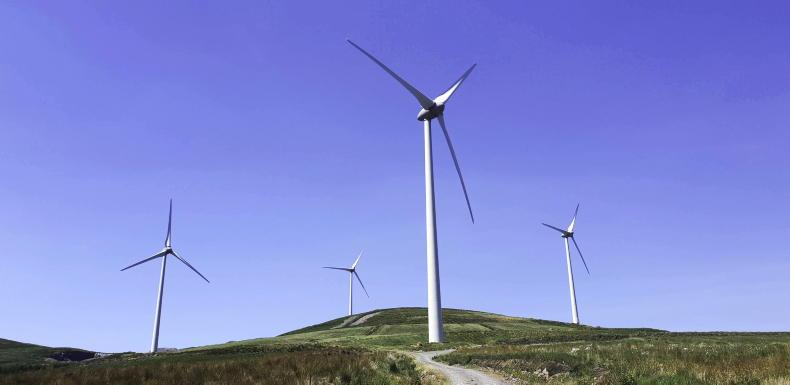
Northern Ireland’s electricity grid is making investment in new renewable energy projects unviable, attendees at the recent RenewablesNI Smart Energy conference in Belfast were told.
Simon Steen Møller, Head of International Affairs at ERG SpA, said developers need three things to invest in a region: planning permission, viable economics, and grid access. Planning and economics are challenges but manageable, he said. The grid, however, is the real blocker.
Investment
ERG is an Italy-based renewable energy operator present in nine European countries. The company transitioned from oil refining into renewable energy and has been the largest investor in renewables in NI over the past seven years, accounting for around 70% of new wind capacity built during that period.
Steen Møller said constraint levels of around 30% mean roughly one in three turbines can be standing idle due to grid limitations. This effectively creates stranded assets and undermines project economics.
He told the conference that this is the reason ERG’s CEO has instructed the company not to invest in further projects in NI until grid constraints are addressed. He also suggested that this may explain why other international developers are not currently investing in the region.
Interconnector
Steen Møller said that NI has significant renewable resources, explaining that one of ERG’s latest projects has a capacity factor of around 40%, which is extremely high by European standards. He suggested that NI could become “the Spain of wind power” because of its wind resource.
But without investment in the grid, this may be lost, and he described the North–South Interconnector as essential for reducing constraints across the island.
However, he warned that the sequencing of grid projects is important. If additional interconnector capacity is built before the North–South Interconnector is completed, constraint levels could actually increase rather than decrease.
This could lead to a situation where renewable generators are constrained for long periods while consumers still pay the cost. He argued that failing to make decisions on grid infrastructure is a decision in itself.




SHARING OPTIONS