


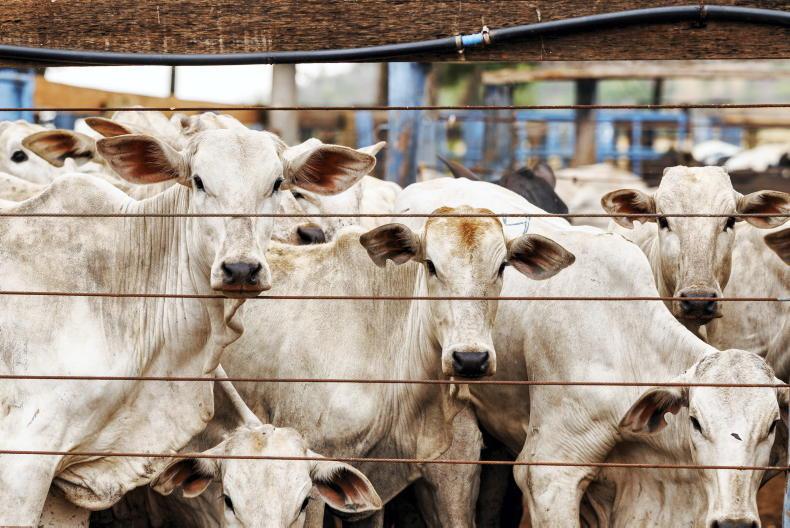
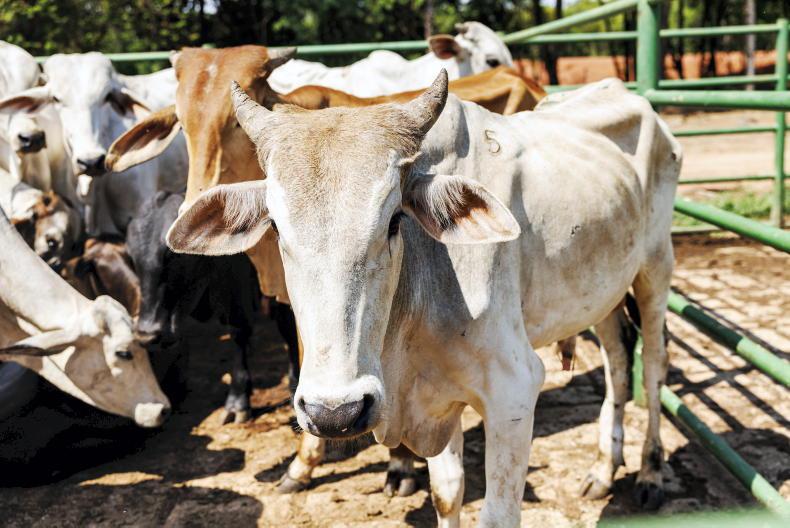
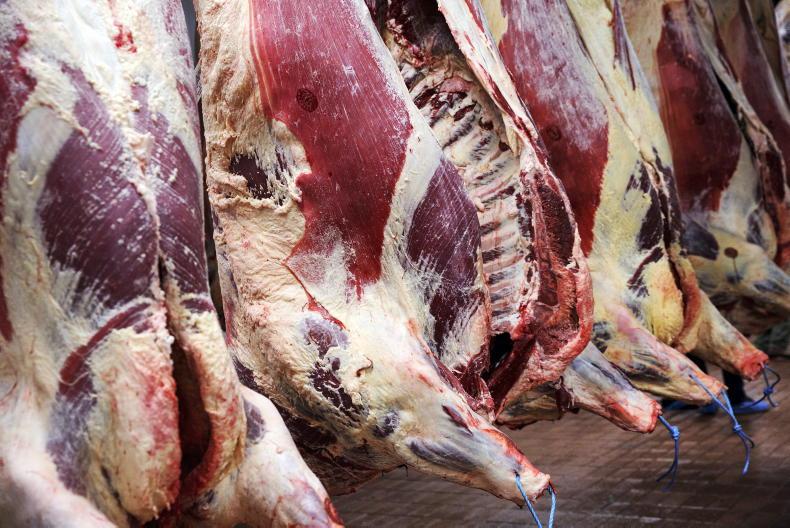
Imports of cheap fresh and frozen beef from Brazil, Australia and New Zealand into the UK market has more than doubled in 2025, with those countries now ranked in the top five UK beef importers, the latest trade data shows.
In the 10 months to the end of October, Brazilian beef imports have increased 125% to 9,421t, Australian imports are up 172% to 11,806t and New Zealand imports have risen 248% to 10,960t. Polish beef imports are up 7% at 14,960t.
The main loser in the import data is the Republic of Ireland. It is still the biggest importer of beef into the UK, but its market share has fallen from 77% to 68% in the last year, with the amount imported down 10% to 136,054t.
Irish beef is raised to very similar standards as required of UK farmers and for much of 2025, there has actually been little difference in prices paid to farmers.
However, Brazilian, New Zealand and Australian beef is coming in at a much lower price; in the case of Australia and New Zealand that is thanks to post-Brexit free trade deals signed off by a previous Tory government.
Standards
In recent weeks, concerns have also been raised about the standard of beef from Brazil, with the European Commission issuing a recall notice in early December due to banned hormones being found in imported frozen Brazilian product. Affected countries listed by the Commission, included NI.
On enquiry, a spokesperson for the Food Standards Agency (FSA) in NI, said their checks showed “a small quantity of primal cuts” of Brazilian beef had entered NI in September 2025. The beef had an expiry date of 31 October 2025.
The spokesperson maintained there is “no evidence” that any hormone-contaminated Brazilian beef remains on sale locally.
“GB and NI have robust market access arrangements and import controls in place, to ensure that meat and meat products adhere to strict food safety requirements before being placed on the market,” said the spokesperson.
They also pointed out that any country wishing to export beef to the UK must have an approved residue monitoring control plan in place, which is approved by the relevant competent authorities.
The agency did not confirm which food business had imported the meat into NI.
Serious
Reacting to the recall of Brazilian beef, Ulster Farmers’ Union (UFU) deputy president Glenn Cuddy said it was “an extremely serious public-health incident”.
“For years, farmers here have operated under some of the strictest food-safety, traceability, and animal-health standards in the world. Yet we are now seeing products enter our market from systems that do not meet the same basic requirements,” he said.
The union has written to the FSA seeking clarification on the checks and controls applied to imported beef, including to Brazilian beef products entering NI.
“It is vital that the FSA can clearly demonstrate how beef produced to standards that would be illegal here, will be prevented from entering the NI market, now and in the future,” said Cuddy.



SHARING OPTIONS