Mandatory biosecurity rules to prevent bird flu entering the country’s poultry flock have been introduced by the Department of Agriculture.
The decision comes following the increasing risk to poultry and captive birds during the higher-risk period for avian influenza, due to increased inward migration of wild waterfowl who are the natural reservoirs of avian influenza viruses.
A total of 41 wild birds have tested positive for highly pathogenic avian influenza (HPAI) in the first nine months of 2025, and outbreaks of HPAI have been reported this month in a large poultry flock in Omagh, Co Tyrone, Northern Ireland, and in a captive bird flock in Co Cork.
New rules
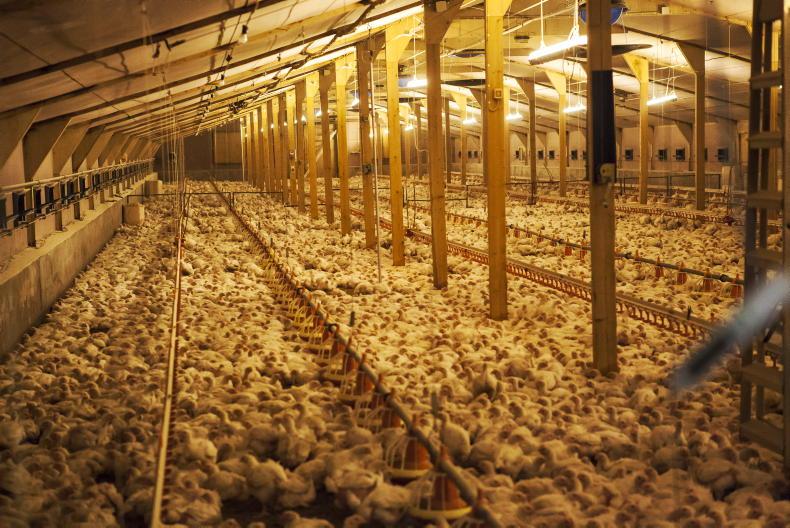
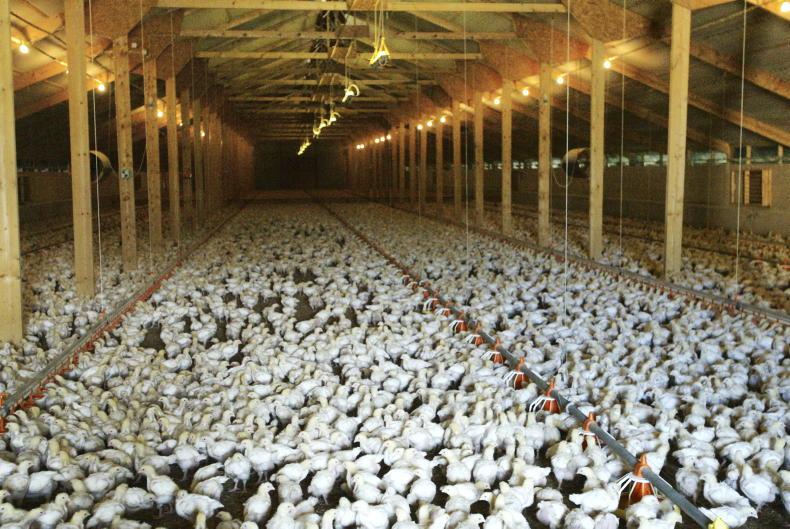
Farmers with over 350 birds should only allow essential personnel into live bird housing and all personnel must change clothing before entering and exiting housing.
Feed and water storage areas must be fully and clearly separated from housing areas.
All poultry farmers and anyone with captive birds must abide by the following rules:
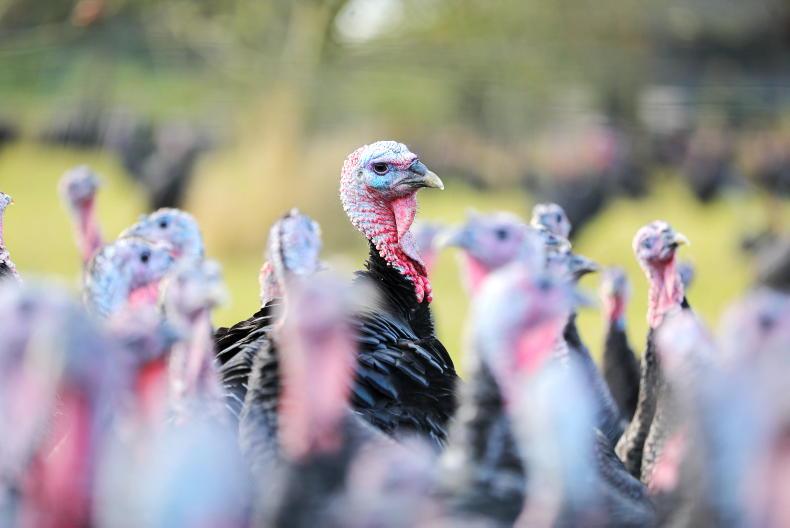
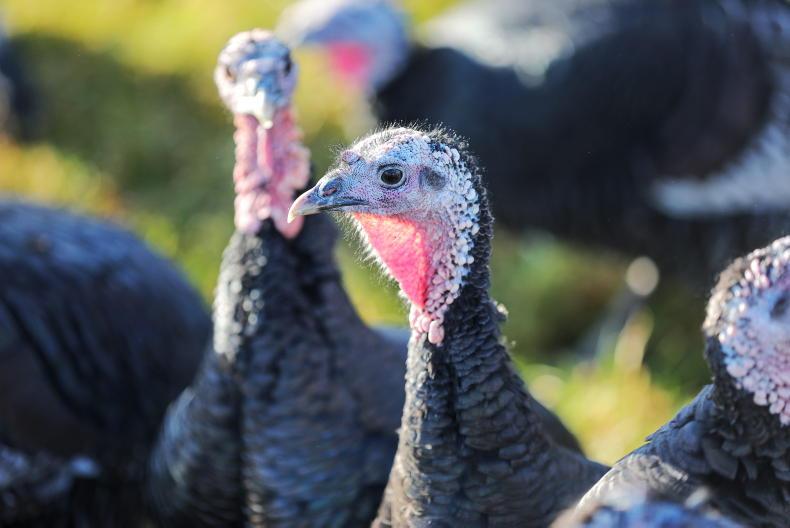
Outdoor areas where poultry and captive birds have access to must be fenced or surrounded by netting to prevent contact with wild birds.Poultry should not have access to open water, standing water or waterlogged areas as this will attract wild fowl. Keep these areas well fenced or use netting.Avoid attracting wild birds to your holding. Locate all feeding and watering points indoors. Feeding birds outside, not clearing up spilled feed and fallen fruit will all entice wild birds as well as rodents. Discourage wild birds from your holding with the use of deterrents such as bird scarers, flutter tape, scarecrows etc. Sick and dead wild birds could be carriers of avian influenza. Poultry and captive birds must not be in contact with wild bird carcasses. If you find a sick or dead wild bird, remove your poultry from the area and contact your regional veterinary office who will arrange to collect the bird and submit it for testing, where appropriate.Avoid any contact with wild birds, their carcasses, droppings or feathers where possible.The full list of rules and guidance is available here.
Significant risk
“These events highlight that there is a significant risk to Irish poultry and captive bird flocks, which is increasing substantially as winter approaches due to the seasonal migration of wild birds to Ireland,” Minister for Agriculture Martin Heydon said.
“In addition, as temperatures decrease, the virus can survive for longer periods at lower temperatures. Strict and consistent biosecurity is the most effective mechanism to reduce the risk of transmission and protect against avian influenza. It is extremely important at this time that every precaution must be taken to prevent virus particles from wild birds which may be present in the environment from coming into contact with poultry or captive birds,” he said.
Mandatory biosecurity rules to prevent bird flu entering the country’s poultry flock have been introduced by the Department of Agriculture.
The decision comes following the increasing risk to poultry and captive birds during the higher-risk period for avian influenza, due to increased inward migration of wild waterfowl who are the natural reservoirs of avian influenza viruses.
A total of 41 wild birds have tested positive for highly pathogenic avian influenza (HPAI) in the first nine months of 2025, and outbreaks of HPAI have been reported this month in a large poultry flock in Omagh, Co Tyrone, Northern Ireland, and in a captive bird flock in Co Cork.
New rules
Farmers with over 350 birds should only allow essential personnel into live bird housing and all personnel must change clothing before entering and exiting housing.
Feed and water storage areas must be fully and clearly separated from housing areas.
All poultry farmers and anyone with captive birds must abide by the following rules:
Outdoor areas where poultry and captive birds have access to must be fenced or surrounded by netting to prevent contact with wild birds.Poultry should not have access to open water, standing water or waterlogged areas as this will attract wild fowl. Keep these areas well fenced or use netting.Avoid attracting wild birds to your holding. Locate all feeding and watering points indoors. Feeding birds outside, not clearing up spilled feed and fallen fruit will all entice wild birds as well as rodents. Discourage wild birds from your holding with the use of deterrents such as bird scarers, flutter tape, scarecrows etc. Sick and dead wild birds could be carriers of avian influenza. Poultry and captive birds must not be in contact with wild bird carcasses. If you find a sick or dead wild bird, remove your poultry from the area and contact your regional veterinary office who will arrange to collect the bird and submit it for testing, where appropriate.Avoid any contact with wild birds, their carcasses, droppings or feathers where possible.The full list of rules and guidance is available here.
Significant risk
“These events highlight that there is a significant risk to Irish poultry and captive bird flocks, which is increasing substantially as winter approaches due to the seasonal migration of wild birds to Ireland,” Minister for Agriculture Martin Heydon said.
“In addition, as temperatures decrease, the virus can survive for longer periods at lower temperatures. Strict and consistent biosecurity is the most effective mechanism to reduce the risk of transmission and protect against avian influenza. It is extremely important at this time that every precaution must be taken to prevent virus particles from wild birds which may be present in the environment from coming into contact with poultry or captive birds,” he said.






SHARING OPTIONS