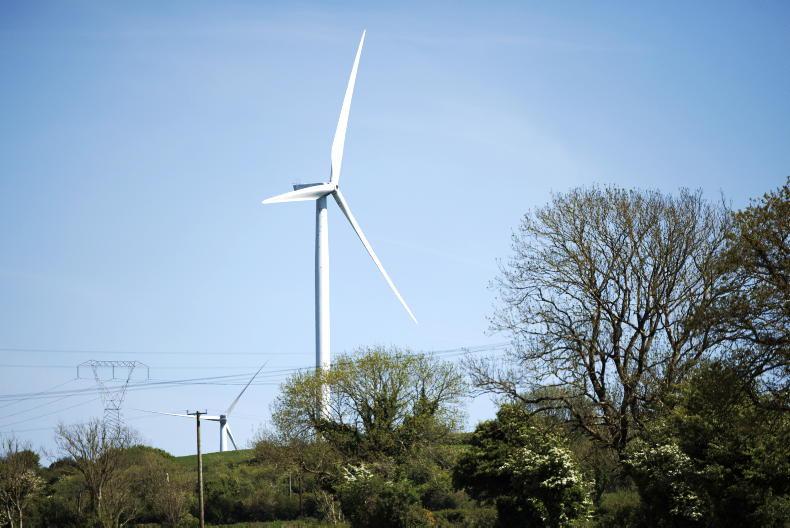
2026 could potentially be a record-breaking year for wind energy. Attendees at this week’s Wind Energy Ireland Annual Conference 2026 heard that 451MW of new wind farms are currently under construction.
A further 1,246MW of wind farms are ready for the next auction or seeking a corporate power purchase agreements, and a further 2,112MW is now in the planning system. Currently, around 5,000MW of onshore wind capacity is installed in the Republic of Ireland.
As such, the next state Renewable Electricity Support Scheme auction could potentially be the largest ever for wind, according to Minister for Climate, Environment and Energy and Minister for Transport Darragh O’Brien, who opened the conference.
Grid investment
However, this will not be delivered without significant investment in, and development of, the national electricity grid. Cathal Marley, CEO of EirGrid, explained that grid infrastructure had been neglected as a key economic driver.
EirGrid’s development pipeline into the next decade is significant, with plans for approximately 181km of new overhead lines, 40 new substations, and 19 new transformer stations. This includes the north south interconnector and new lines to open up the northwest, an area with significant wind potential but chronic grid congestion.
Electrostate
A new plan to turn Ireland into an ‘electrostate’ developed by Wind Energy Ireland, was also launched at the annual conference this week.
The new Strategy for 2026–2030 sets out how Ireland can become an electrostate, a country powered by secure, affordable, and home-grown clean electricity.
The report outlines a number of key areas to deliver wind power at scale, including removing grid, planning, and regulatory bottlenecks; growing clean energy demand through electrification, storage, and flexibility; improving communication with the public; and training the workforce.
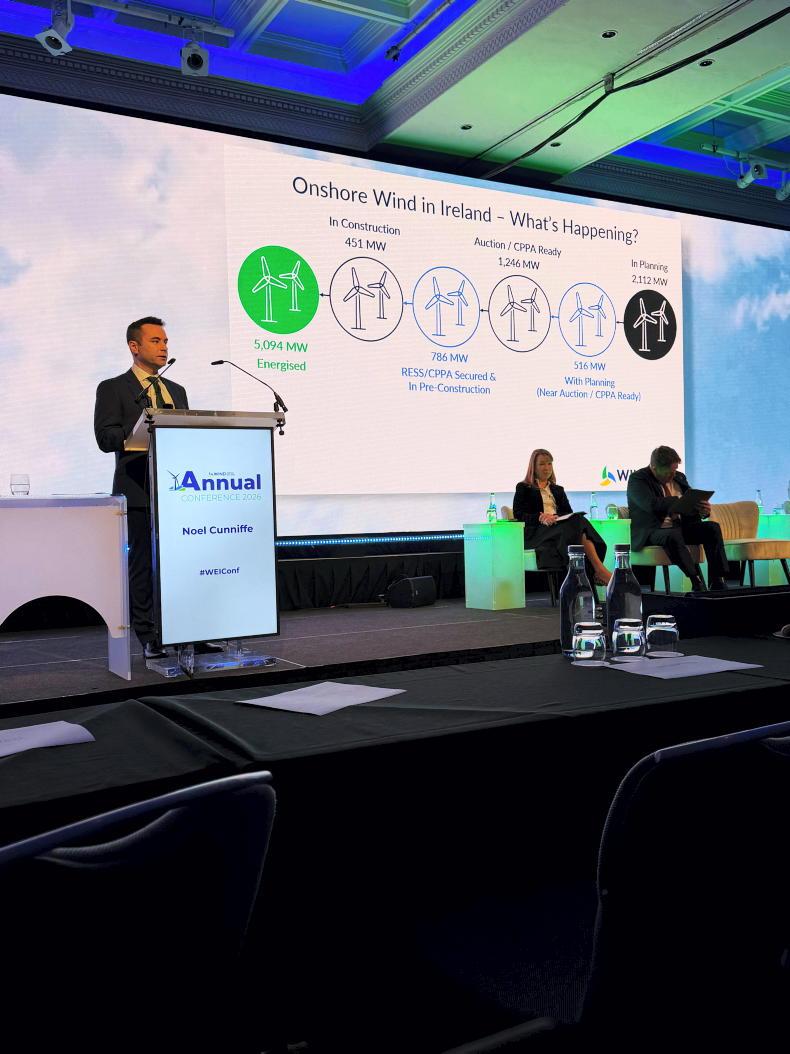
Noel Cunniffe, CEO of Wind Energy Ireland.
Rollout
Launching the strategy, Noel Cunniffe, CEO of Wind Energy Ireland, said: “An electrostate means energy independence, cleaner air in our towns and cities; homes that are warmer, cheaper to run, and ready for the future; stronger communities and infrastructure that is built to last, not short-term fixes.”
2026 could potentially be a record-breaking year for wind energy. Attendees at this week’s Wind Energy Ireland Annual Conference 2026 heard that 451MW of new wind farms are currently under construction.
A further 1,246MW of wind farms are ready for the next auction or seeking a corporate power purchase agreements, and a further 2,112MW is now in the planning system. Currently, around 5,000MW of onshore wind capacity is installed in the Republic of Ireland.
As such, the next state Renewable Electricity Support Scheme auction could potentially be the largest ever for wind, according to Minister for Climate, Environment and Energy and Minister for Transport Darragh O’Brien, who opened the conference.
Grid investment
However, this will not be delivered without significant investment in, and development of, the national electricity grid. Cathal Marley, CEO of EirGrid, explained that grid infrastructure had been neglected as a key economic driver.
EirGrid’s development pipeline into the next decade is significant, with plans for approximately 181km of new overhead lines, 40 new substations, and 19 new transformer stations. This includes the north south interconnector and new lines to open up the northwest, an area with significant wind potential but chronic grid congestion.
Electrostate
A new plan to turn Ireland into an ‘electrostate’ developed by Wind Energy Ireland, was also launched at the annual conference this week.
The new Strategy for 2026–2030 sets out how Ireland can become an electrostate, a country powered by secure, affordable, and home-grown clean electricity.
The report outlines a number of key areas to deliver wind power at scale, including removing grid, planning, and regulatory bottlenecks; growing clean energy demand through electrification, storage, and flexibility; improving communication with the public; and training the workforce.
Noel Cunniffe, CEO of Wind Energy Ireland.
Rollout
Launching the strategy, Noel Cunniffe, CEO of Wind Energy Ireland, said: “An electrostate means energy independence, cleaner air in our towns and cities; homes that are warmer, cheaper to run, and ready for the future; stronger communities and infrastructure that is built to last, not short-term fixes.”






SHARING OPTIONS