


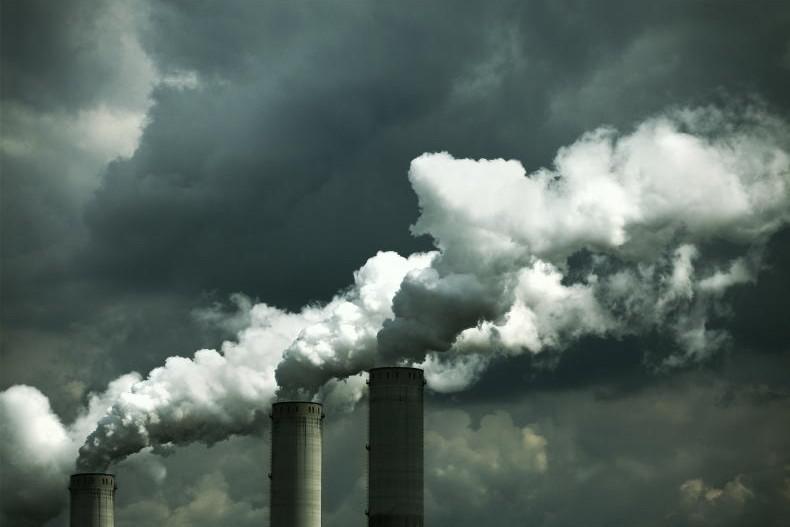
This week, the conversations around energy feel somewhat familiar. We have been here before, the realisations that Ireland is on the end of the energy market pipeline, which has been rattled yet again due to another international conflict.
The situation in Iran is fast evolving, and perhaps by the time you’re reading this, a resolution will have been reached, or a withdrawal ordered. But one way or another, the impact of this will be felt in our fuel bills for the months to come and again serves to remind us why expanding renewable energy is critical in Ireland.
The debate has changed
The debate around renewable energy in Ireland has changed. For many years the focus was on reducing carbon emissions and meeting climate targets. Today, the conversation is just as much about energy security.
We remain one of the biggest users of natural gas to generate electricity in Europe, with around 80% of that gas imported. Not to mention, 80% of our entire energy supply, that’s oils, diesel, coal, petrol, biomass, gas, LPG and electricity combined, is imported.
This leaves us chronically exposed from an energy security perspective. Remember, energy forms the baseline for every aspect of our lives, from food production, transport, construction, healthcare to business. Prosperity and financial success depend heavily on energy supply and price.
So, this impact in global energy markets has once again highlighted Ireland’s vulnerability to international fossil-fuel supply shocks, and reinforces the need to accelerate Ireland’s renewable energy roll-out.
Oil prices exceeded $100 per barrel this week, levels not seen since the energy crisis of 2022
As has been covered elsewhere in this paper, global oil markets experienced a sharp spike in recent days, as tensions escalated in the Middle East. Oil prices exceeded $100 per barrel this week, levels not seen since the energy crisis of 2022.
But, even if the conflict subsides quickly, fuel prices could remain elevated for weeks or months, as suppliers deal with damaged infrastructure, disrupted logistics and increased shipping risks.
For Ireland, which imports the majority of its fossil fuels, these types of global disruptions will quickly translate into higher energy prices, increased transport costs and broader inflation across the economy.
The reality is, that for a nation to shield itself from such energy shocks, it needs to look inwards. That is, to develop its own energy supply. Our indigenous natural gas supply will be all but depleted by early next decade. We don’t harvest peat any more for energy generation. So the only choice we have is to develop wind, solar, heat pump, renewable gas and biomass systems. These are our indigenous energy sources.
The debate around these systems rages, with new groups formed against virtually every large-scale project in recent years. But the reality is, there is no alternative. And no matter the location, given Ireland’s sparse population density, there will always be those which argue that it’s in the wrong place.
Growing role
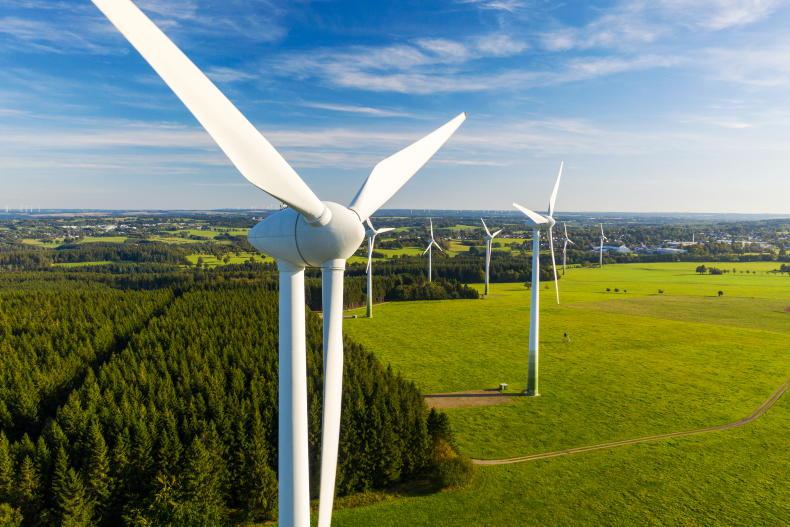
While renewable energy capacity is expanding, progress remains slow due to planning delays, grid constraints and local opposition to infrastructure projects. But, nonetheless, progress is being made in electricity in particular.
Provisional data from EirGrid, the operator and developer of the electricity grid, shows that 48% of electricity came from renewable sources in February, compared with 39% in January.
Wind energy accounted for the largest share of renewable generation, contributing 41% of the total electricity fuel mix. Total wind generation reached 1,245 gigawatt hours (GWh).
Gas remained the second-largest source of electricity generation, accounting for 37% of supply, while 14% of electricity demand was met through imports via interconnection.
EirGrid data also shows a new record for wind generation was set in February. At 5.50pm on Saturday 14 February, wind farms produced 3,898MW, surpassing the previous record of 3,884MW set in February 2025.
Food versus fuel debate
As renewable projects expand, questions are often raised about land use and the balance between food production and energy generation.
Ultimately, decisions around land use remain a farmer’s choice. Participation in renewable projects such as solar developments or leasing land for energy infrastructure is voluntary, and farmers decide whether or not to enter into such arrangements.
Some critics argue that agricultural land should be used exclusively for food production. That is a legitimate opinion, but the reality is that land in Ireland, as in most countries, has never been used solely for food production. The key challenge is how renewable energy can complement agricultural production rather than just compete with it.
Carbon tax
Alongside renewable expansion, Ireland’s carbon tax is intended to encourage the transition away from fossil fuels. There has been calls this week to suspend the carbon tax in a bid to lower energy prices, to a mixed reception.
In 2025, the carbon tax rate stood at €63.50 per tonne of CO2, with the Government planning to increase this gradually to €100 per tonne by 2030
The tax applies to fuels such as petrol, diesel, natural gas, coal, peat and home heating oil. It is calculated based on the amount of carbon dioxide released when these fuels are burned.
Although consumers ultimately pay the tax through higher fuel prices, it is collected from fuel suppliers and importers, who incorporate the cost into the price of energy.
In 2025, the carbon tax rate stood at €63.50 per tonne of CO2, with the Government planning to increase this gradually to €100 per tonne by 2030.
Ireland now collects roughly €1bn per year from the carbon tax. The revenue is ring-fenced for climate and social programmes, funding supports home energy upgrades through SEAI grants, agricultural climate measures and peatland restoration to name a few.
The question is, is it right to suspend the carbon tax during times of high prices. Certainly, most reading this will likely agree that it should be.
A shift in the energy debate
The latest volatility in global oil markets highlights how exposed Ireland remains to international fossil-fuel supply disruptions. While renewable energy cannot eliminate global energy price pressures entirely, expanding domestic wind, solar, and other renewable technologies can reduce reliance on imported fuels.
As global energy markets continue to fluctuate, the discussion around renewable energy in Ireland has once again come to the forefront, becoming a question of economic resilience and long-term energy security.
The author is currently involved in a family/community proposal for an anaerobic digestion facility in Co Donegal.





SHARING OPTIONS