


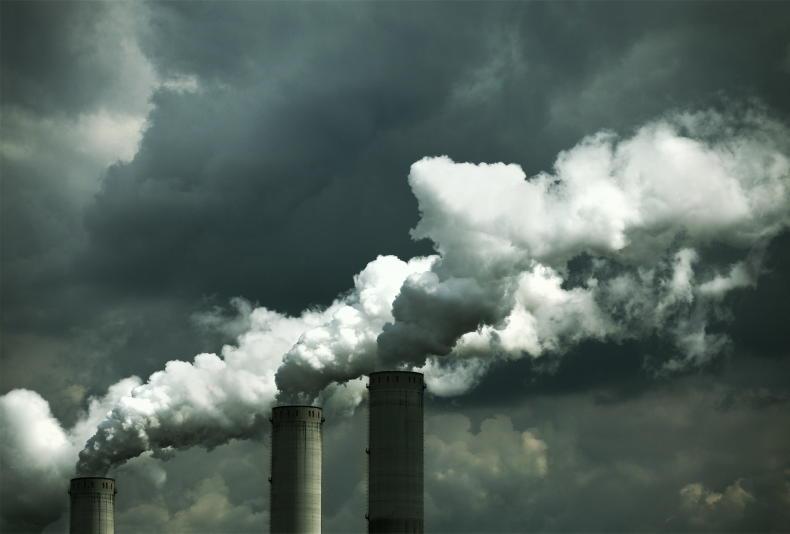
Fossil fuels continue to dominate Ireland’s energy system, according to the latest Energy in Ireland report published by the Sustainable Energy Authority of Ireland (SEAI).
While energy-related emissions have declined in recent years, the report warns that the current pace of reductions must more than double if Ireland is to meet its legally binding 2030 climate targets.
Energy-related emissions have fallen by 16% since 2018, the baseline year for Ireland’s national carbon budgets.
This reduction has occurred despite a 10% increase in population, an 18% rise in electricity demand and continued economic growth, highlighting the impact of policy measures and investment in renewable energy.
However, the SEAI report shows that emissions are currently declining at an average annual rate of 2.7%, well below the more than 5% reduction required each year to achieve Ireland’s 2030 commitments.
Ireland is legally obliged to halve its emissions during the 2020-2030 decade, and the country is now approaching both the end of its first national carbon budget and the midpoint of that critical period.
Transport
Transport remains a major challenge, with 93% of the sector still powered by fossil fuels.
Overall, transport accounted for 37.7% of energy-related emissions in 2024, followed by heat at 39.8% and electricity at 22.5%.
The report stresses that stronger decarbonisation is needed across all sectors, particularly in transport and heating.
Renewables
The report shows that renewable energy use continued to grow in 2024.
Ireland’s overall renewable energy share reached 16.1% in 2024, up from 15.2% the previous year and finally exceeding the country’s 2020 target of 16%.
However, this remains well below the 43% renewable energy target set for 2030.
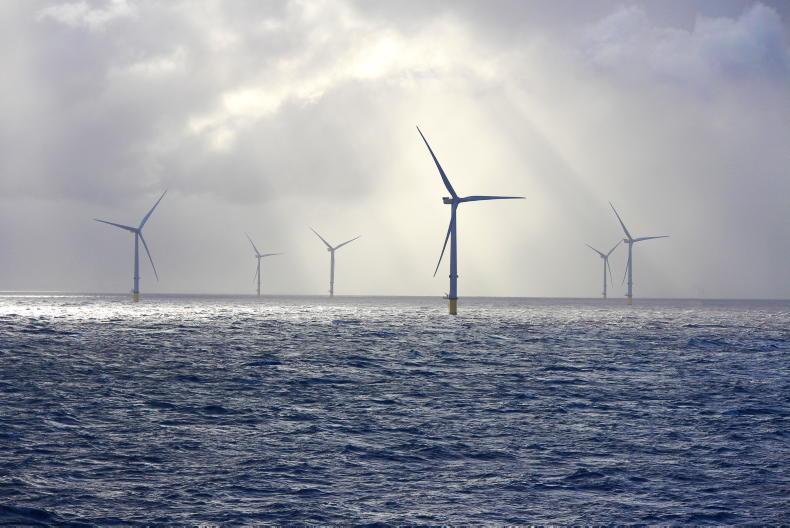
Wind, biodiesel and biomass made up just under three-quarters of renewable energy consumption.
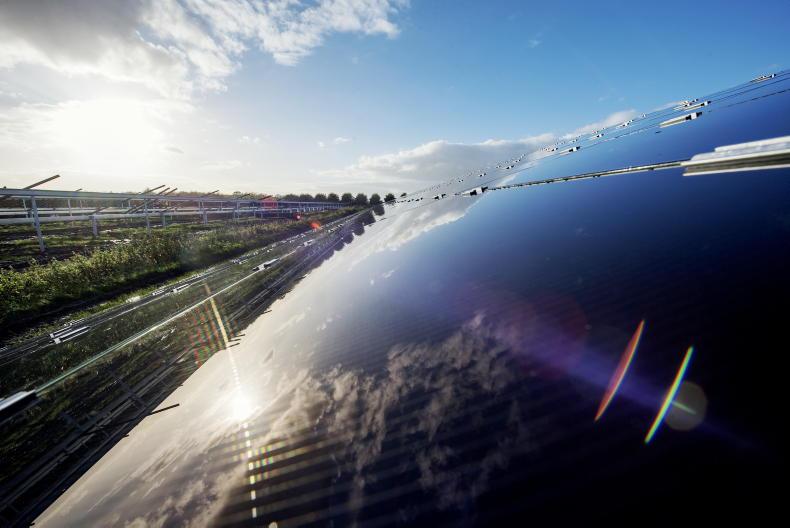
Solar photovoltaic generation increased by 69%, while ambient heat captured by heat pumps rose by 19%.





SHARING OPTIONS