A 12-hour ferry journey from the mainland, the Shetland Islands are in fact closer to Norway than they are to Scotland, despite being one of the 32 council areas of Scotland.
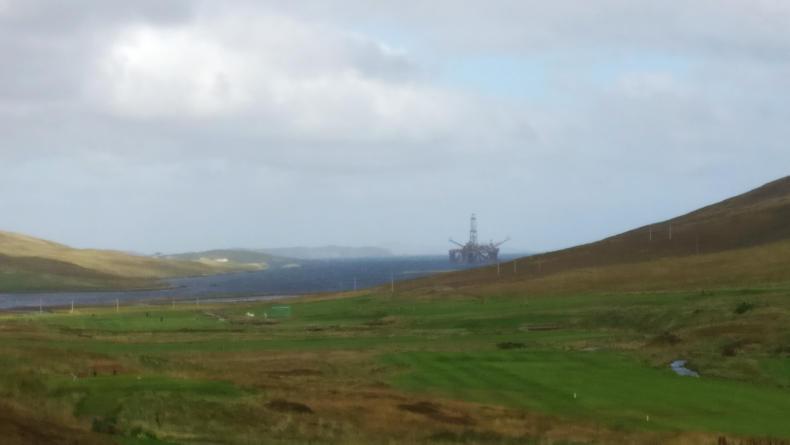
Home to 22,000 people and 12 times more sheep, the island’s economy is centred around agriculture, fishing, oil and tourism. In recent weeks, the RAF has announced plans to re-open the radar station in the northern isle of Unst that was closed in 2006, which is expected to help lift the Shetland economy.

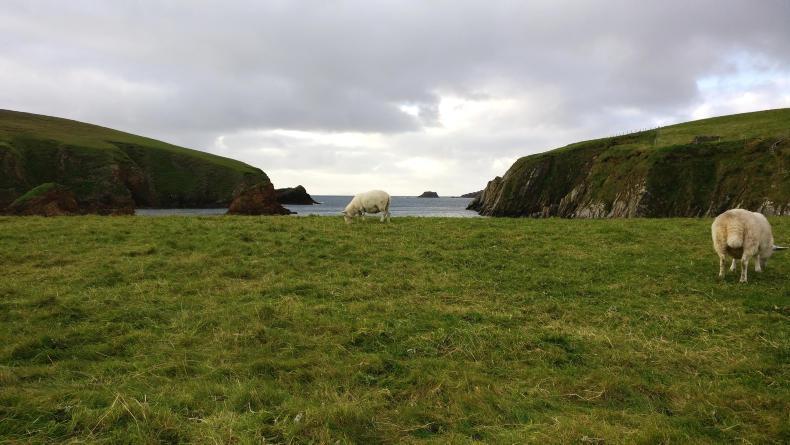
Out of approximately 100 islands in Shetland, 15 of those are inhabited by humans. However, many of the smaller ones are used for grazing sheep. A boat is an essential piece of kit for farmers, transferring sheep to and from their islands. Or, in fact, for rescuing lambs that have accidentally fallen off cliffs.
Approximately 950 businesses submit a Single Application Form for farm support payments every year, while some small crofters don’t send in a claim.
“The statistics say there are around 1,400 people who are involved in agriculture on a full- or part-time basis,” Graham Fraser from SRUC told the Farmers Journal. “I would think that underestimates it and would guess that at least 10% of the population is involved in farming and crofting to some extent.”
That being said, sheep numbers have been declining since the early 2000’s. In 2001 there were over 394,000 sheep on the islands, the 2013 survey recorded 285,000.

“Sheep numbers have continued to fall since 2013 (154,000) and I would estimate there are now under 140,000 breeding ewes and gimmers in Shetland at present,” Fraser said.
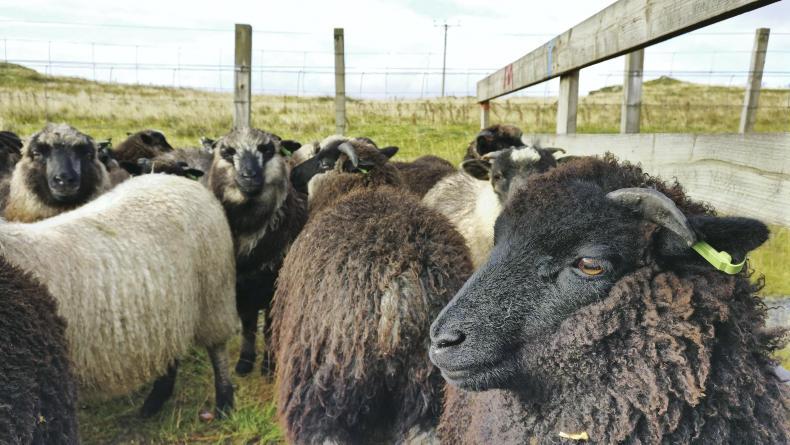
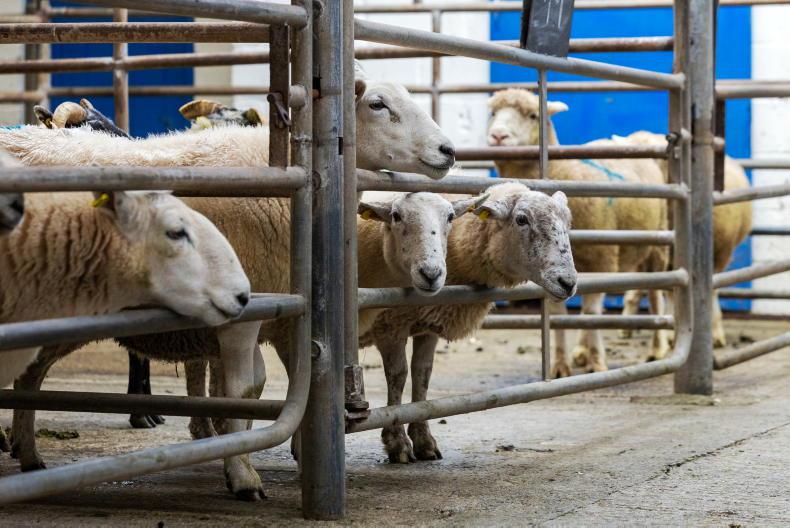
Approximately 90,000 sheep are exported annually, a mixture of lambs and cast ewes. Roughly 60,000 lambs, which are a mixture of purebred Shetland, first-cross Shetlands and cross lambs from terminal sires put to first-cross Shetland ewes.
“The Suffolk and Texel cross lambs might average around £50 in Aberdeen, the first-cross lambs £35-40, but the pure Shetland lambs have been very poor over the past year or two, selling for just a few pounds – and in some cases barely covering the cost of shipping them out of Shetland,” according to Fraser.
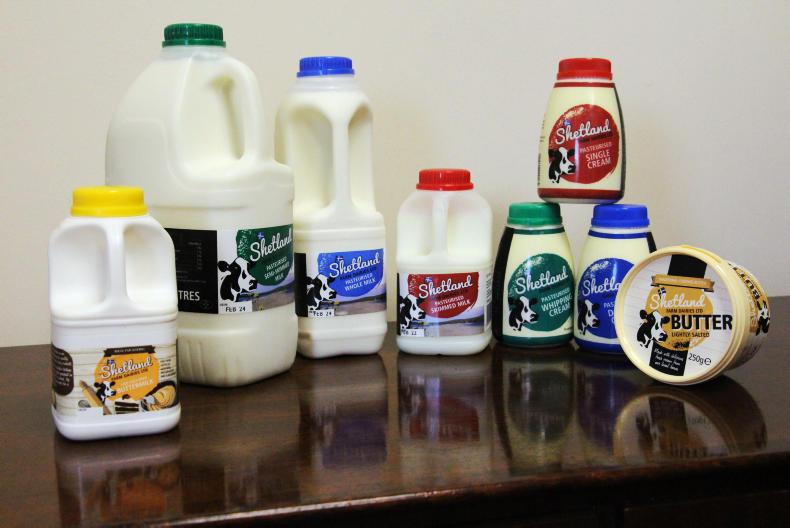
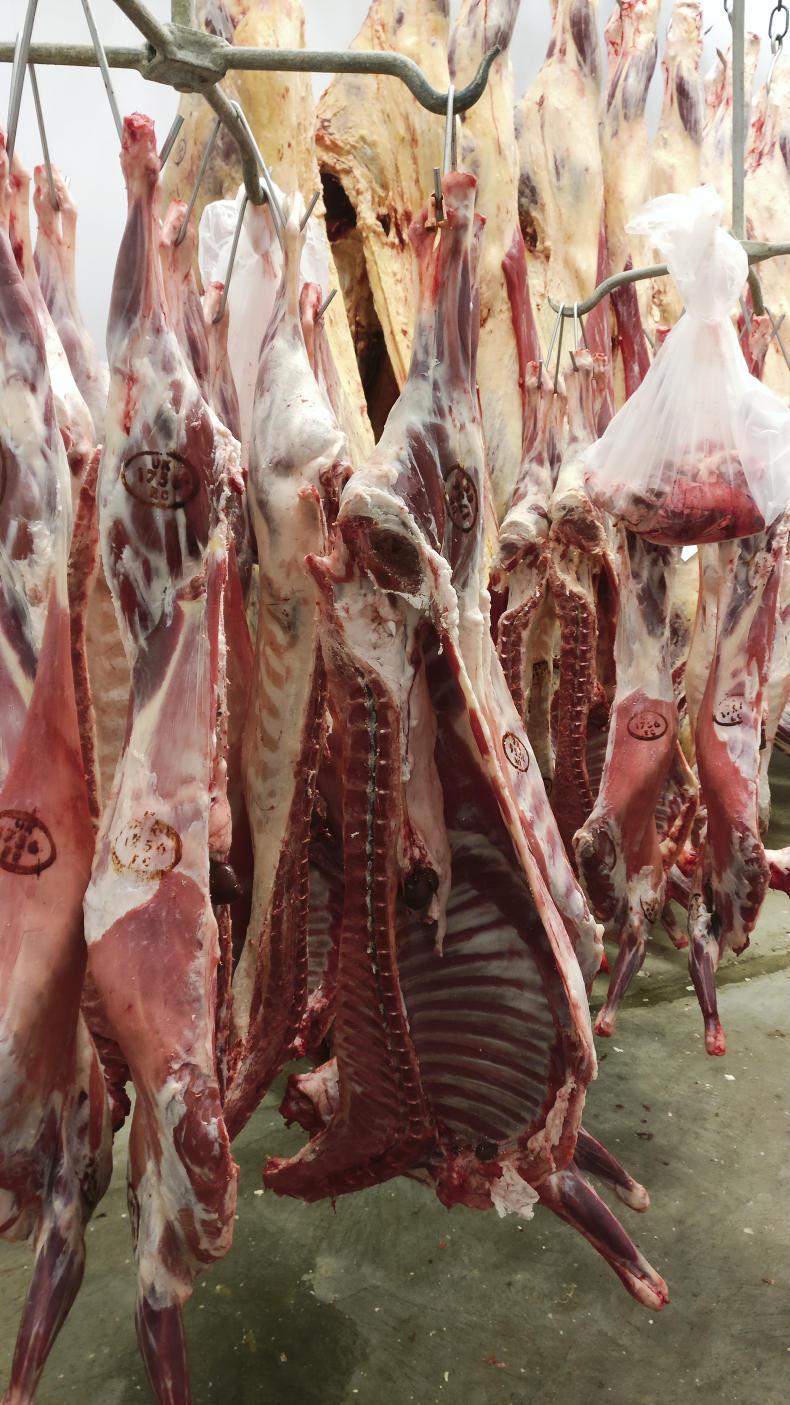
In addition to the sheep, there are around 1,400 suckler cows and 250 dairy cows. All the milk produced is sold locally and around 400 beef cattle are killed in the local abattoir for the local market.
Read more
Farmer focus: Elain Read, Girlsta, Mainland Shetland
The Shetland sheep sales
A 12-hour ferry journey from the mainland, the Shetland Islands are in fact closer to Norway than they are to Scotland, despite being one of the 32 council areas of Scotland.
Home to 22,000 people and 12 times more sheep, the island’s economy is centred around agriculture, fishing, oil and tourism. In recent weeks, the RAF has announced plans to re-open the radar station in the northern isle of Unst that was closed in 2006, which is expected to help lift the Shetland economy.
Out of approximately 100 islands in Shetland, 15 of those are inhabited by humans. However, many of the smaller ones are used for grazing sheep. A boat is an essential piece of kit for farmers, transferring sheep to and from their islands. Or, in fact, for rescuing lambs that have accidentally fallen off cliffs.
Approximately 950 businesses submit a Single Application Form for farm support payments every year, while some small crofters don’t send in a claim.
“The statistics say there are around 1,400 people who are involved in agriculture on a full- or part-time basis,” Graham Fraser from SRUC told the Farmers Journal. “I would think that underestimates it and would guess that at least 10% of the population is involved in farming and crofting to some extent.”
That being said, sheep numbers have been declining since the early 2000’s. In 2001 there were over 394,000 sheep on the islands, the 2013 survey recorded 285,000.
“Sheep numbers have continued to fall since 2013 (154,000) and I would estimate there are now under 140,000 breeding ewes and gimmers in Shetland at present,” Fraser said.
Approximately 90,000 sheep are exported annually, a mixture of lambs and cast ewes. Roughly 60,000 lambs, which are a mixture of purebred Shetland, first-cross Shetlands and cross lambs from terminal sires put to first-cross Shetland ewes.
“The Suffolk and Texel cross lambs might average around £50 in Aberdeen, the first-cross lambs £35-40, but the pure Shetland lambs have been very poor over the past year or two, selling for just a few pounds – and in some cases barely covering the cost of shipping them out of Shetland,” according to Fraser.
In addition to the sheep, there are around 1,400 suckler cows and 250 dairy cows. All the milk produced is sold locally and around 400 beef cattle are killed in the local abattoir for the local market.
Read more
Farmer focus: Elain Read, Girlsta, Mainland Shetland
The Shetland sheep sales






SHARING OPTIONS