Dairy expansion has been the story of Irish farming over the last decade. This time 10 years ago, farmers were facing the end of a production year without the worry of a superlevy for the very first time since 1985.
What will be the dominant theme in the next decade? Perhaps it will be succession, maybe labour availability. It could be the death of the 50-cow farm, as the relentless pressure on margins drives scale. Or maybe it will be de-intensification, medium-sized family farms working toward high nature status.
We might not know the pathway for producers, but the roadmap for processors seems pretty clear – consolidation. The last decade saw rapid expansion at processor capacity to meet the demand from farmers. Glanbia and Kerry, the two plc milk processors, sold their dairy businesses, indeed their entire farmer-facing operations, back to their mothership co-ops.
But expansion is no longer necessary as milk output stabilises, and the co-op model is now near universal.
With almost all processors structurally similar, there is no impediment to co-op consolidation, should it seem prudent.
It’s happening more than we might be aware of. Last year saw the Arrabawn/Tipperary merger; this looks like being the year of Aurivo/Dale Farm coalescing. It’s less than seven years since the Lakeland/Lacpatrick amalgamation.

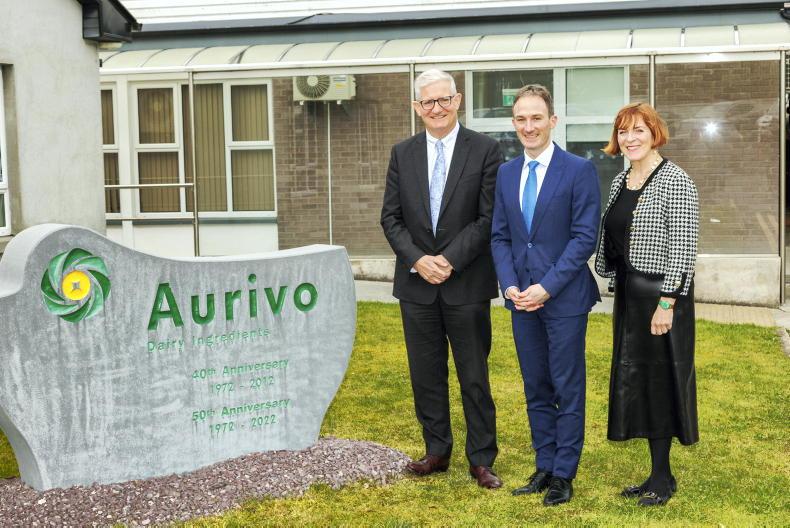
Nick Whelan CEO Dale Farm.
That’s a lot of milk on the move. It’s hard to predict where the next merger will be. It could be a bigger co-op absorbing a smaller one. That said, Centenary and Boherbue remain fiercely independent. North Cork’s future could be taken out of its hands if it can’t solve environmental issues.
But it could be two bigger co-ops whose futures becomes aligned. Kerry Dairy Ireland’s milk supply agreements have only two months remaining. The Munster Dairy Producer Organisation has been quiet of late, but the door will only open once for them.
Dairygold’s supply base is divided and unsettled, with a significant cohort of co-op members pushing for significant internal structural change. That stance could yet evolve into pushing for external change. Every co-op is aware of the demographic timebomb facing their production base.
Almost half their suppliers are heading for 60, which is the age where milking and particularly calving cows becomes more challenging.
Smaller suppliers have less support, but are more likely to manage their workload later in life. However, there are few people taking over smaller herds as going concerns, and the steady exodus will become a stampede if we get a couple of years of poor milk price back-to-back.
That means most co-ops would welcome new members. New entrants are the dream, but if a band of farmers want to switch processors, they will be welcomed somewhere.
Dairy expansion has been the story of Irish farming over the last decade. This time 10 years ago, farmers were facing the end of a production year without the worry of a superlevy for the very first time since 1985.
What will be the dominant theme in the next decade? Perhaps it will be succession, maybe labour availability. It could be the death of the 50-cow farm, as the relentless pressure on margins drives scale. Or maybe it will be de-intensification, medium-sized family farms working toward high nature status.
We might not know the pathway for producers, but the roadmap for processors seems pretty clear – consolidation. The last decade saw rapid expansion at processor capacity to meet the demand from farmers. Glanbia and Kerry, the two plc milk processors, sold their dairy businesses, indeed their entire farmer-facing operations, back to their mothership co-ops.
But expansion is no longer necessary as milk output stabilises, and the co-op model is now near universal.
With almost all processors structurally similar, there is no impediment to co-op consolidation, should it seem prudent.
It’s happening more than we might be aware of. Last year saw the Arrabawn/Tipperary merger; this looks like being the year of Aurivo/Dale Farm coalescing. It’s less than seven years since the Lakeland/Lacpatrick amalgamation.
Nick Whelan CEO Dale Farm.
That’s a lot of milk on the move. It’s hard to predict where the next merger will be. It could be a bigger co-op absorbing a smaller one. That said, Centenary and Boherbue remain fiercely independent. North Cork’s future could be taken out of its hands if it can’t solve environmental issues.
But it could be two bigger co-ops whose futures becomes aligned. Kerry Dairy Ireland’s milk supply agreements have only two months remaining. The Munster Dairy Producer Organisation has been quiet of late, but the door will only open once for them.
Dairygold’s supply base is divided and unsettled, with a significant cohort of co-op members pushing for significant internal structural change. That stance could yet evolve into pushing for external change. Every co-op is aware of the demographic timebomb facing their production base.
Almost half their suppliers are heading for 60, which is the age where milking and particularly calving cows becomes more challenging.
Smaller suppliers have less support, but are more likely to manage their workload later in life. However, there are few people taking over smaller herds as going concerns, and the steady exodus will become a stampede if we get a couple of years of poor milk price back-to-back.
That means most co-ops would welcome new members. New entrants are the dream, but if a band of farmers want to switch processors, they will be welcomed somewhere.





SHARING OPTIONS