


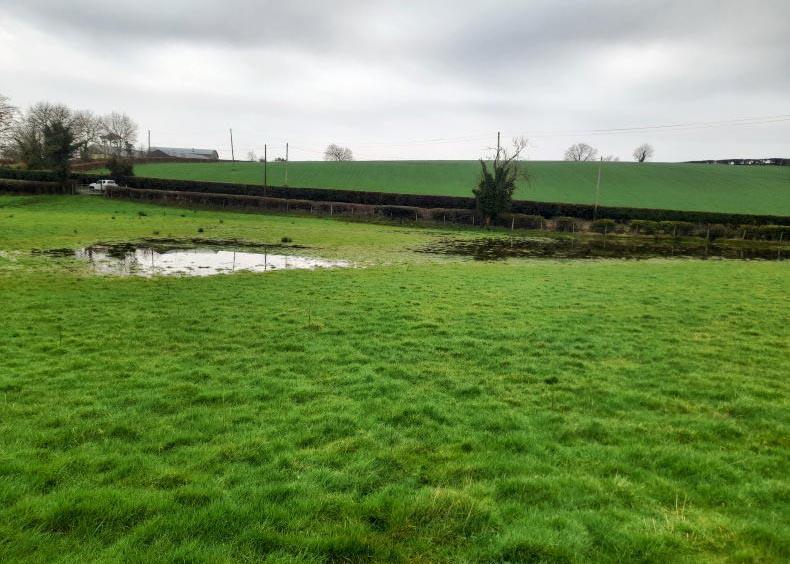
On 18 February 16mm of rain fell in this area. There is nothing unusual about that, except that after three or four consecutive days of proper drying conditions, it just felt like we were going back to square one yet again.
I have no idea if we matched some of the claimed figures that are being bandied around (was it 42 days in a row without one of them being entirely dry?), but I do know it is the wettest spell of winter weather that I have experienced.
I suppose a bit of context should be applied, since my tendency to call it a ‘disaster’ is, technically, not strictly accurate.
If we had unprecedented wet weather during silage-making, or all through the harvest, then we could rightly call it some sort of catastrophe.
If we do have to endure a long period of poor weather, then January into February might be as suitable a time as any other?
However, no matter what way you look at it, I can’t imagine many farmers would ask for a repeat of the conditions of the past three months.
Sheep
Apart from rainfall amounts, I have a new ‘first-time-for-this-farm’ occurrence to report.
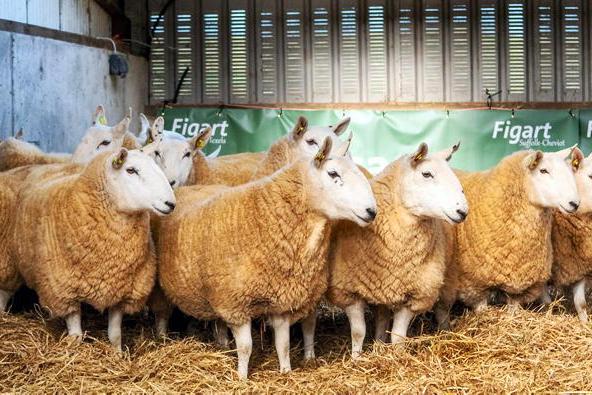
Early February saw the removal of every sheep from my fields – that has never happened before.
Usually there is a batch of pregnant ewe lambs running out until close to lambing, as well as a small flock of late lambers, rams, and ewes that scanned empty.
But the feeding areas for both lots just got wetter and wetter and I almost hoped they would waste more of the round bale thus ensuring they had something dry to put their feet on while eating the silage.
Even traversing two fields at home on the quad bike (which has oversized tyres) was leaving significant marks, with two big rooster tails of water soaking the collie dogs running behind. It was, quite simply, a mess.
Workload
The other disadvantage to a long spell of bad weather is just how difficult it makes the daily workload.
There is a time every year from pre-Christmas through to just before lambing when I get about a thousand (well, it feels like a thousand) silly wee jobs cleared up out of the way.
Slates nailed back onto ancient roofs, poultry house corrugated sheets checked for slackness and water leaks, fencing posts replaced, fallen trees sawn up for firewood and lots of other small, time-consuming tasks around the yard.
A younger version of myself might well have donned the waterproofs and manfully fought his way through steady rain and strong winds to carry out these chores, but times have changed.
My appetite for hard work in unpleasant conditions has diminished (my appetite for hard work generally has receded alarmingly), to the extent that I often magically find a much easier (warmer and drier) job that takes precedence.
If I might offer a word of advice here to anyone finding themselves in a similar predicament as me: don’t overplay the old ‘it’s a bogging wet day and I’m not sure what to do this afternoon’.
Under no circumstances say this in front of your wife because, believe me, she will immediately think of about 20 jobs in the house that need instant attention.
Household maintenance is all very well and fine if you are in the mood, but it is no substitute for an afternoon trip to a machinery dealer, or a hardware store to browse away a couple of hours with one of your farming friends.
Date
Of course, the biggest problem with any sort of weather discussion is its sell-by date.
To use this article as an example, it was written a few days before anyone is likely to be reading it, thus rendering it either entirely pertinent, or completely obsolete.
If the weather remains poor, then it might seem relevant to be talking about the ongoing struggles, with everyone absolutely fed up to the back teeth.
But if a bit of hard drying conditions drift in, then my outdated and pointless ramblings will be consigned to the bin. I’m hoping for the latter.




SHARING OPTIONS