


It’s been a busy few weeks here on the farm. Grazing finished abruptly about three weeks ago after a heavy night’s rain, when I reckoned the cows were going to do more harm than good outside.
Unfortunately, I stopped measuring grass back in September, which I now regret. I’ve no doubt this year’s grass growth would have exceeded every other year if I’d kept recording.
There’s still plenty of cover on the ground. Even fields grazed off at the start of October and which then had slurry-applied, have grazing covers on them.
We winter graze with sheep, as we never seem to get out early enough in the spring to make good use of carrying over heavier covers.
Calving
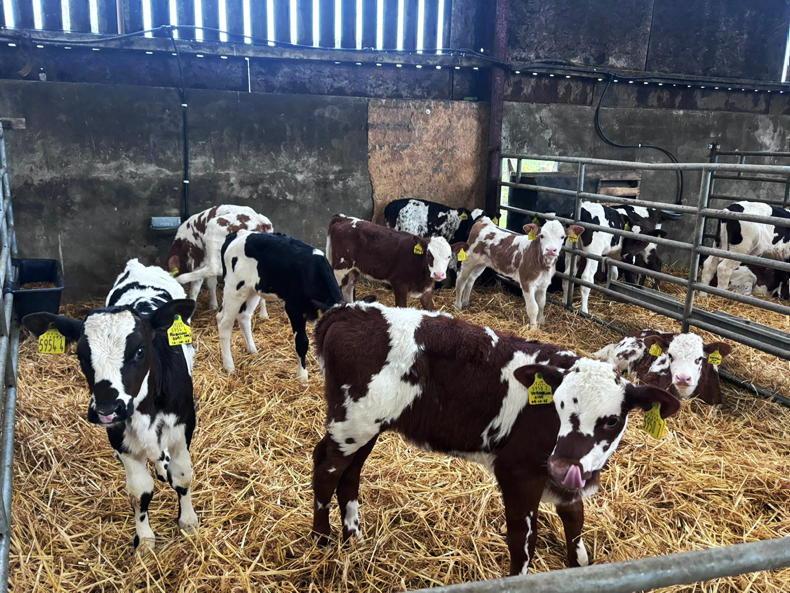
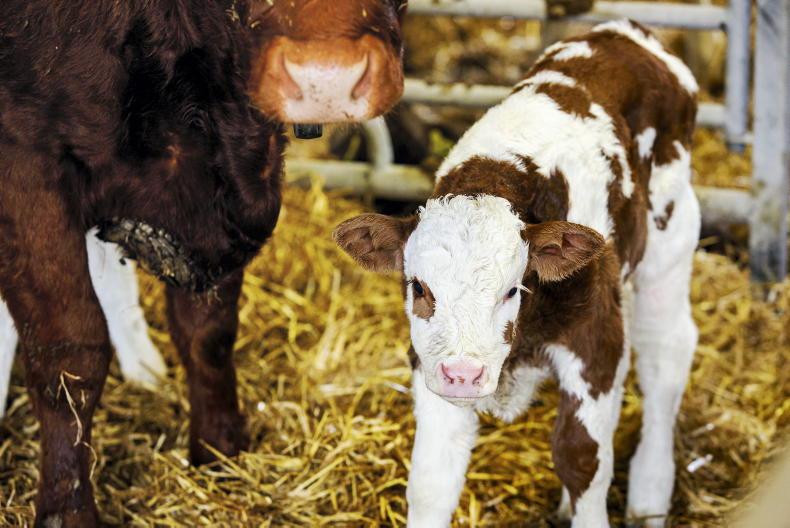
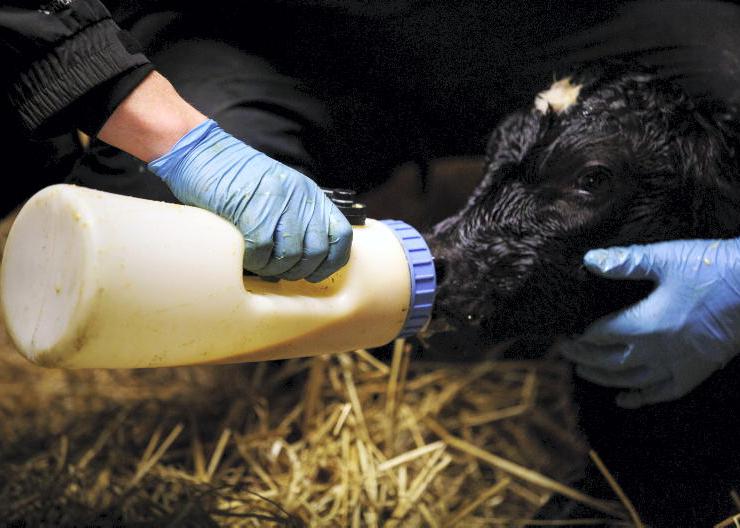
Over the last seven weeks, we’ve calved 95 cows, with only nine left to calve this autumn. We have 36 heifer calves to carry through, with the rest being Aberdeen Angus-sired calves.
All in all, calving has gone relatively well with few issues, although it has certainly pushed our calf facilities to their limits, with over 90% of the autumn batch calving in six weeks.
Until we either build new housing or modify our current sheds, I won’t be aiming to calve any more during this period.
Tested
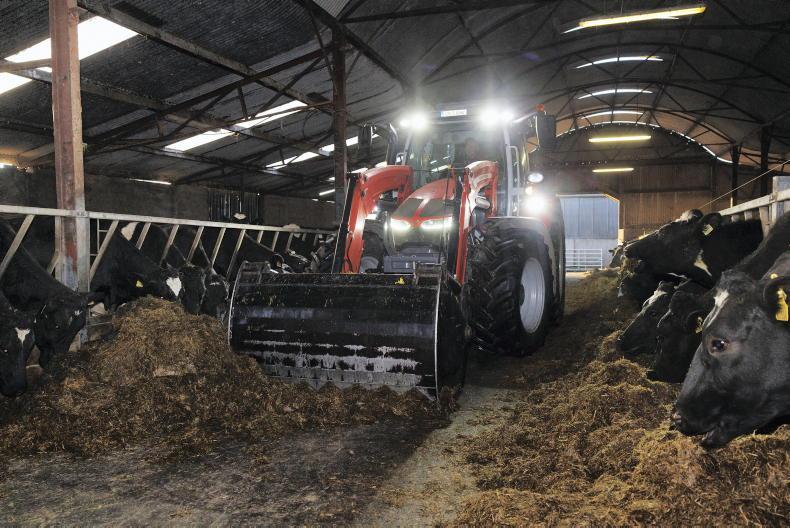
We’ve had this year’s maize silage tested, and I’m pleased with the results: 29% dry matter, a D-value of 71.5%, and a starch content of 30.6%.
In comparison, last year’s maize tested at 21.7% dry matter, a D-value of 61.6% and only 5.9% starch. Last year was a poor year for maize, but even then, we saw a one-litre per cow daily milk yield increase, so we’re hopeful for a greater yield benefit this year.
That increase may also be a combined effect of higher quality maize silage and the fact we are feeding it earlier in lactation, prior to cows reaching their peak production.
Grass silage
Unfortunately, the grass silage hasn’t tested as well as I’d hoped. Both the first and second cuts have a low dry matter of around 19%, although the D-value remains relatively high at 71%.
The low dry matter content of the grass silage makes it difficult to achieve high dry matter intakes.
In practice, what happened was the second cut silage got caught in un-forecasted rain. With second cut ensiled on top of first cut we reckon it has reduced the dry matter of the first cut as it was cut in a dry time during Balmoral Show week.
Balanced
At a recent farm walk, another farmer told me not to just write about the good but also the bad, and they’re right.
While I try to give a balanced view, this past year has honestly been one of the best I’ve ever farmed.
Good milk prices, record cull cow and calf values, and a summer of ideal grazing conditions meant there wasn’t much to complain about.
That said, we’re farming and we’ve had our share of challenges too. We recently re-roofed several old sheds where the sheeting had rotted over the years.
We used heat guard sheets on the pitched roofs and over the parlour and one cubicle house - I’m very happy with the result, the natural light inside has been great for both cows and people.
However, we also re-roofed a round roof shed that has cubicles at the front and a storage area in the back half of the shed.
The shed has been sealed so well that there’s now not enough airflow. During mild weather at the start of November, the condensation on the roof in the mornings was like walking into a rain shower - the floor inside was as wet as the yard outside!
Last week, we lifted some roof sheets to try to improve ventilation.
If that doesn’t work, I will have to look at spacing some of the side sheets or installing Yorkshire cladding to improve airflow.
It’s frustrating when you’ve gone to the effort and expense of replacing an old roof, only to find the new setup isn’t working as intended.
But we’ll get it sorted, one way or another.


SHARING OPTIONS