


I’m a little late with my review of 2025, but hopefully it’s better late than never. I think it’s fair to say that 2025 will be remembered as one of the strongest farming years in living memory.
In fact, many are calling it the best year in 40 years and it’s hard to argue with that. Record beef prices, strong lamb returns, generally favourable weather and good grass growth combined to make 2025 a year that most farmers will look back on fondly – even if it wasn’t without its challenges.
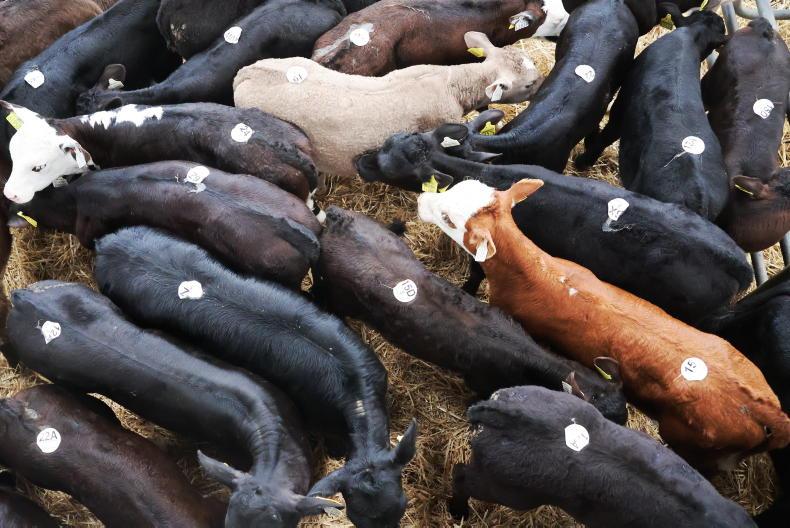
From a beef point of view, the headline story of the year was price. Finished cattle breaking the €8/kg barrier and in some cases pushing well beyond it, practically doubling prices from a few years ago.
Those prices transformed confidence across the sector and finally gave suckler and beef farmers a sense that their work was being properly valued. For anyone selling cattle, it was a joy to see strong factory quotes week after week.
For me, however, that strength was very much a double-edged sword. While cattle sold well, replacing them was another matter entirely.
Store cattle prices went through the roof, with figures that would have seemed impossible in the mart a few years ago became the new normal.
Buying cattle at €4/kg live and beyond certainly sharpens the pencil, it does make you question margins and risk. Still, supply and demand ruled the market, so hopefully demand will continue to stay strong, then perhaps today’s “dear” cattle won’t look quite so dear in hindsight.
Solid year for sheep
Sheep farming also had a solid year. Lamb prices held up well and despite periods of difficult weather early on, performance later in the season was encouraging.
Red clover swards proved their worth once again, delivering excellent weight gains and showing just how powerful good grass and soil management can be. Watching lambs push past expectations after only a few weeks on quality reseeds was one of the more satisfying highlights of the year.
Weather-wise, 2025 was kinder than most. Growth was generally good and while there were dry spells and bursts of heavy rain, things never really went off the rails.
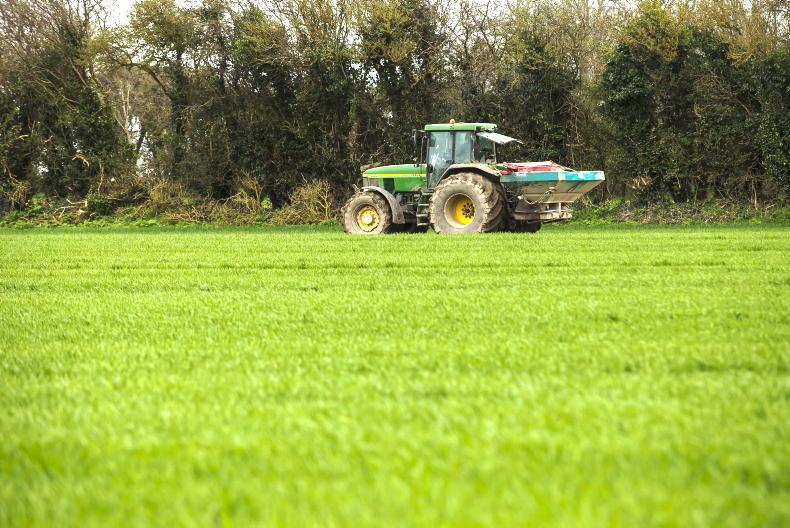
Spring arrived in reasonable shape, grass responded when nitrogen and slurry went out, and the long growing season allowed flexibility whether that meant taking extra bales, reseeding or just keeping pressure off grazing ground when needed. Compared to years of constant rain and damage, 2025 felt manageable.
Not everything went perfectly, of course. Injuries, inspections, paperwork and the constant balancing act of grass supply all brought their own frustrations.
There were moments when grass was tight and moments when covers were too strong, or times when decisions had to be made with imperfect information, as can often the case in farming.
In December, the new regulations around veterinary prescriptions and antiparasitics, added another layer of complexity and planning to an already busy workload for farmers.
For me, 2025 was a year of learning and improvement. Whether it was better livestock handling following training, improved record keeping through technology or continuing to refine systems like red clover and reseeding, it felt like progress was being made. Small changes, when added together, make a big difference over time.
Perhaps the biggest takeaway from the year is perspective. A strong farming year doesn’t mean an easy one, but it does make the hard work feel worthwhile.
Storm clouds
As we head into 2026, there are plenty of unknowns. One issue that continues to cast a long shadow over Irish beef farming is the proposed Mercosur trade deal.
While strong prices in 2025 provided welcome breathing space, many farmers remain deeply uneasy about what increased imports of South American beef could mean for the future.
The fear is not just about price pressure, but about competing with beef produced under standards that do not match the environmental, animal welfare, and traceability requirements Irish farmers must meet.
After a year that showed what Irish beef farming can achieve when properly valued, the thought of that progress being undermined is a worrying one.
Prices may not stay where they are, costs remain high, and regulations aren’t going away. But 2025 has shown what’s possible when markets, grass, and weather align. If nothing else, it has given farmers a much-needed boost of confidence and optimism.
After years of scraping by, 2025 felt like a year when farming finally caught its breath – and long may that continue.



SHARING OPTIONS