


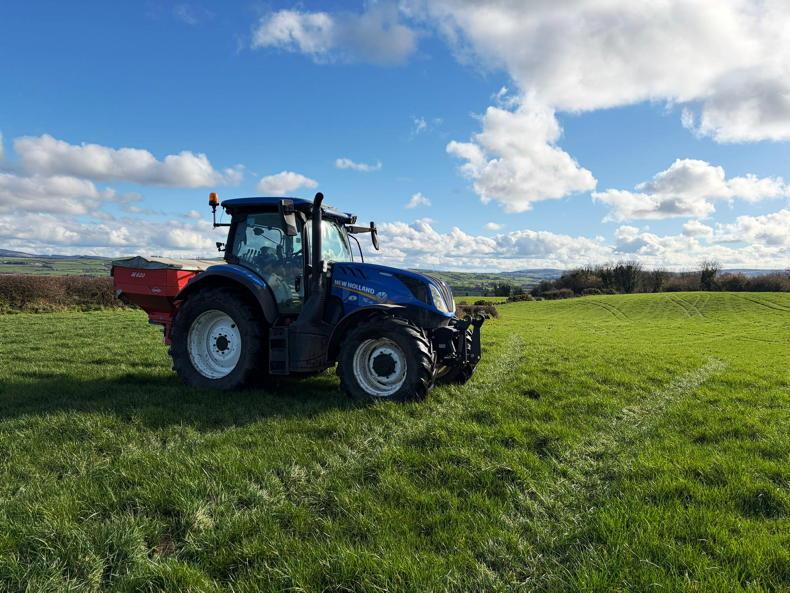
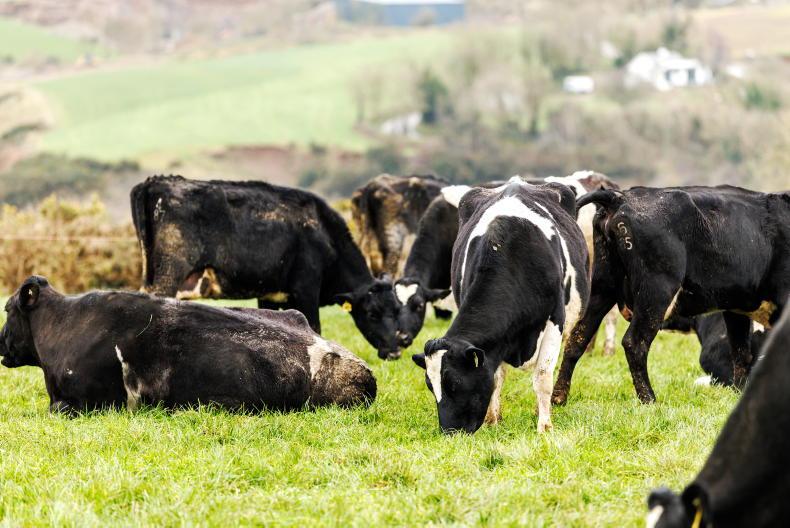
At this time of year, I would normally expect to be sharing a picture of cows out grazing, but unfortunately that hasn’t been the case this spring.
Last year we had the cows turned out on 8 March, but this year the ground conditions just haven’t allowed it.
Looking back, I’m glad we managed to get slurry spread at the beginning of February.
It feels like we’ve had very few dry days since the start of the year and because of this, opportunities to travel on the land have been very limited. Ground conditions really haven’t improved much since that time.
That said, we did manage to spread our first round of fertiliser last week, applying half a bag of urea to the acre. It has definitely already helped grass growth.
Like most farmers, we try to keep an eye on fertiliser prices and the market in general. However, the recent jump in fertiliser prices caught many people by surprise.
The war in Iran caused prices to increase almost overnight, which shows how quickly things can change.
We have enough fertiliser in the yard to see us through until second cut, so hopefully prices will settle down a bit before we need to buy more. However, it is difficult to know or predict what will happen.
Silage
At this time of year, I am usually also keeping a close eye on silage stocks. If the weather delays turnout to grass, it can mean feeding extra silage or other feed to stretch supplies until grazing begins.
Thankfully, we only opened the third-cut silage pit this week, which should leave us in a comfortable position until spring weather improves. Last year was a very good year for grass growth and we ended up with a surplus of silage. While I didn’t necessarily plan for that at the time, it has worked in our favour this spring as it gives us plenty of feed while cows remain indoors.
Measuring
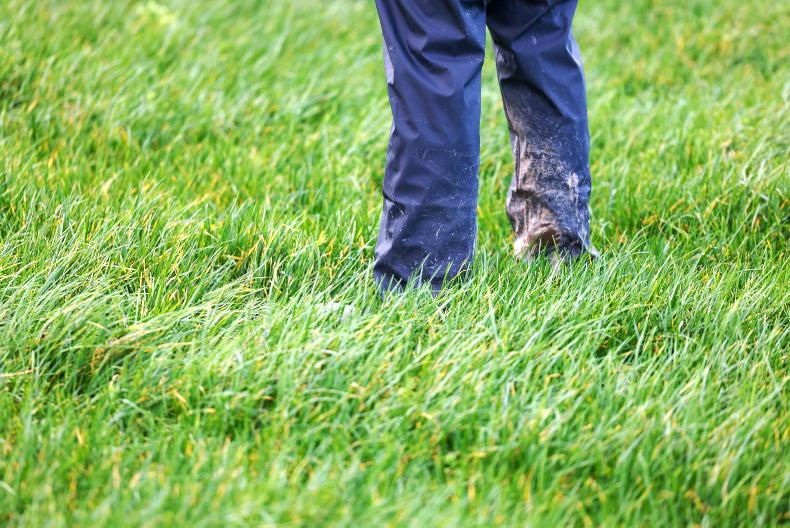
The poor weather hasn’t exactly encouraged me to get out and measure grass yet, but with better weather forecast for this week it is definitely on the to-do list. Doing the first grass walk of the year will help give a better idea of average farm cover, growth rates, and how best to manage the grass when grazing begins. At the same time, we will be assessing ground conditions and hope to get the milking cows out grazing sometime in the near future. The autumn-calved cows are starting to fall back slightly in milk yield, but grazing generally gives them another boost in production.
Spring calving
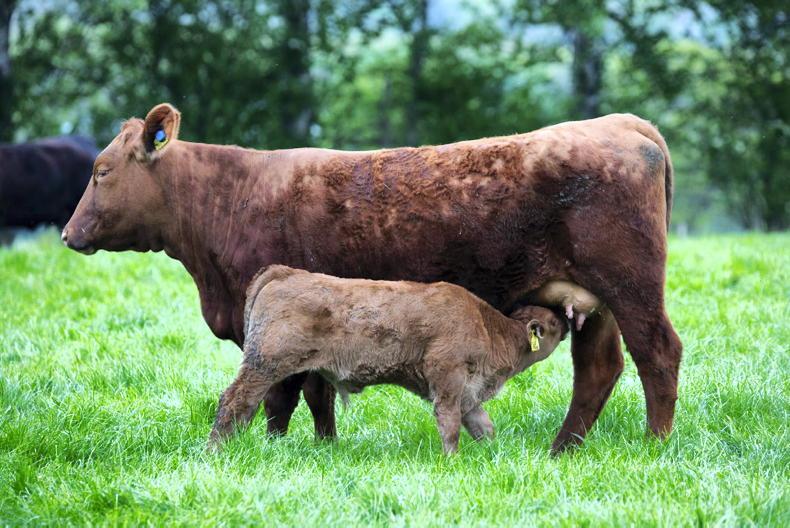
Calving is also progressing, and we are now just over 60% finished. Ideally, I would like to be further along at this stage, but we will work with what we have this year and try to make a plan to improve things for next year.
One issue we are dealing with at the moment is calf scours. It seems to be something that often causes problems at this time of year.
We tend to have very little trouble with the autumn-born calves, even though they are generally managed in the same way. Thankfully, we haven’t lost any calves, but it does mean extra work for a few days giving them fluids and keeping a close eye until they recover.
Weaning
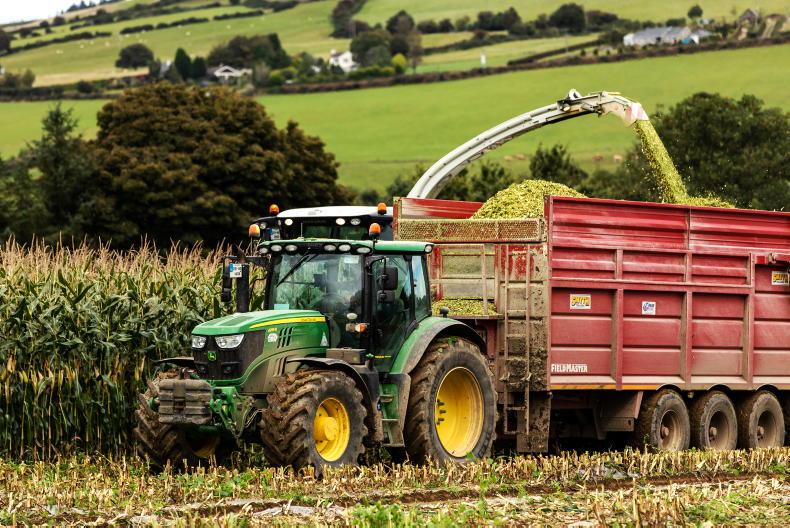
The autumn-born calves were moved onto calf cubicles and slats shortly after weaning. This year I tried feeding them maize silage mixed with meal, and the results have been very positive.
The calves are thriving on the mix and we are seeing some of the best growth rates we have had in a long time.
With very little disease or infection in the group, it has also certainly helped their performance.
Overall, while the spring has been difficult due to wet weather, having good silage reserves and getting some fertiliser out has helped keep things moving along.



SHARING OPTIONS