


23 June: the British public votes 51.1% to 48.9% in favour of the referendum “Should the United Kingdom remain a member of the European Union or leave the European Union?”
24 June: David Cameron resigns as prime minister and as a member of parliament.
13 July: Theresa May takes office as prime minister after becoming leader of the Conservative Party.
28 July: Michel Barnier, former agriculture minister of France, appointed to lead the Commission in Brexit talks.
September: It is clear May is pushing for a hard Brexit but in NI there are promises that “we will not return to borders of the past”.
3 October: Pound takes a nosedive.
4 November: An English High Court rules that the government cannot constitutionally trigger article 50 unless it is passed in parliament.
5 November: May announces that the decision will be appealed in the Supreme Court.
11 January: The UK’s decision to vote to leave the EU resulted in Irish exports being hit by €570m in 2016, Bord Bia figures show.
17 January: May sets out her view on Brexit in her “No deal is better than a bad deal” speech.
24 January: UK Supreme Court rules that the British Government cannot trigger Article 50 without the authorisation of parliament.
26 January: The UK House of Commons passes the bill allowing the government to trigger article 50.
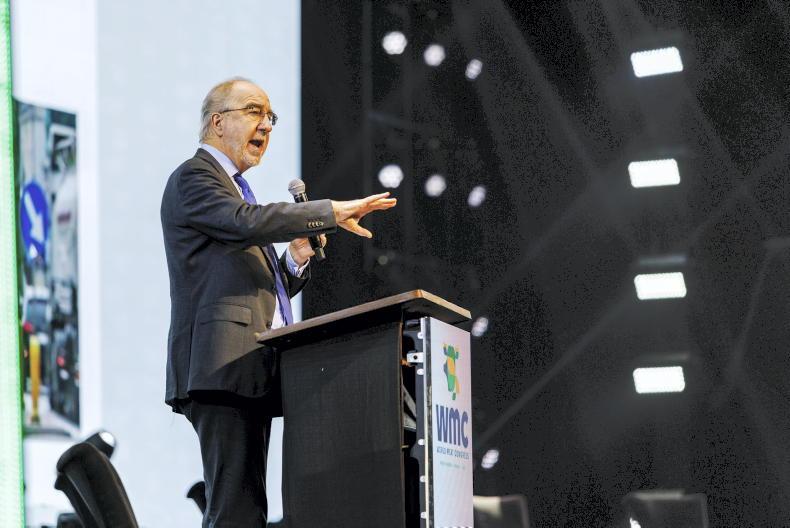
2 February: European Commissioner for Agriculture Phil Hogan says that UK farmers could become the “sacrificial lambs” in Brexit negotiations at the Irish Farmers Journal Navigating Global Trade conference.
29 March: May officially notifies the EU that the UK is invoking article 50 of the Lisbon Treaty.
18 April: May announces a snap election. She hopes to get a larger majority in Parliament to strengthen her hand in talks with the EU.
28 April: Irish Minister for Agriculture Michael Creed outlines his seven-point Brexit plan at an IFA conference in Goffs. Part of the plan targets increased international market access for Irish produce through trade missions.
3 May: The EU’s negotiating priorities are outlined at a press conference by Michel Barnier – citizens’ rights, avoiding a hard border in Northern Ireland and the UK’s financial bill. He says it “will be a painful process”.
7 May: EU supporter Emmanuel Macron is elected French prime minister – he is expected to take a hard line on Brexit.
9 May: The results of the election clearly show that May has failed to get the majority she wanted. Labour, under Jeremy Corbyn, gained 30 seats while the Conservatives lost 13. May enters coalition talks with Northern Ireland’s DUP.
19 June: Brexit negotiations begin.



SHARING OPTIONS