


Honey production and the health of the country’s bee population are viewed by many as a great barometer of the year.
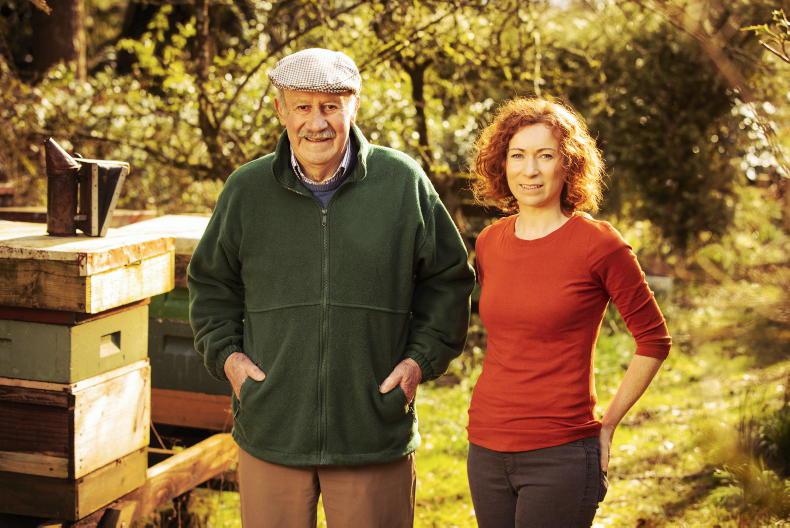
With this in mind, the Irish Farmers Journal asked Aoife Nic Golla Coda of Tipperary-based Galtee Honey Farm to assess 2025.
Declan O'Brien asks all the important questions.
Given the good weather, you'd think 2025 was a classic year, but was this the case?
Aoife: It was an unusual year. It started off amazing in April and May. But there is always the worry at the back of the head - is this going to be our summer?
I know it’s not just beekeepers that worry about getting the summer early and then having a wet couple of months in June and July.
People kept saying to me ‘you must be delighted with this weather for the bees’; but I would reply that I’d prefer to get it later in the summer.
The reason for this is that the populations in the hives are not at their peak until the period around mid-summer. This generally coincides with the flowering of the blackberry blossom and white clover.
Each honey production hive would have had a work force of 30,000 to 40,000
While the bees took full advantage of the foraging opportunities in April and May, each honey production hive would have had a work force of 30,000 to 40,000 at that time compared to being in a better position around mid-summer with 50,000 to 60,000.
Also, a higher percentage of bees would be devoted to nectar collection from mid-summer - due to the fact that there is a higher ratio of younger bees committed to looking after the growing population in the hive, carrying out duties like housekeeping, nursing and other house jobs in early summer.
During 2025 as we all know, the fine weather continued on through the summer, but it didn't benefit the bees. The fact that we got no rain in May really put blackberry blossom and white clover nectar sources under pressure later in the summer.
Many of these wild plants flowered early and coincided with earlier summer blossoms. And then many others could not yield nectar by the time mid-summer came around due to lack of moisture in the ground.
Any bees reaching heather in bogs or mountains in August or September generally got a good crop of honey from it. They were also bringing in other honey such as knapweed, which is generally a minor flower for the honey bees in August.
There was a bumper yield of ivy blossom honey in September and October. This honey is lesser known to the consumer, but is growing in popularity. It has been researched for its health benefits while tasting great.
In terms of honey quality - what was the year like?
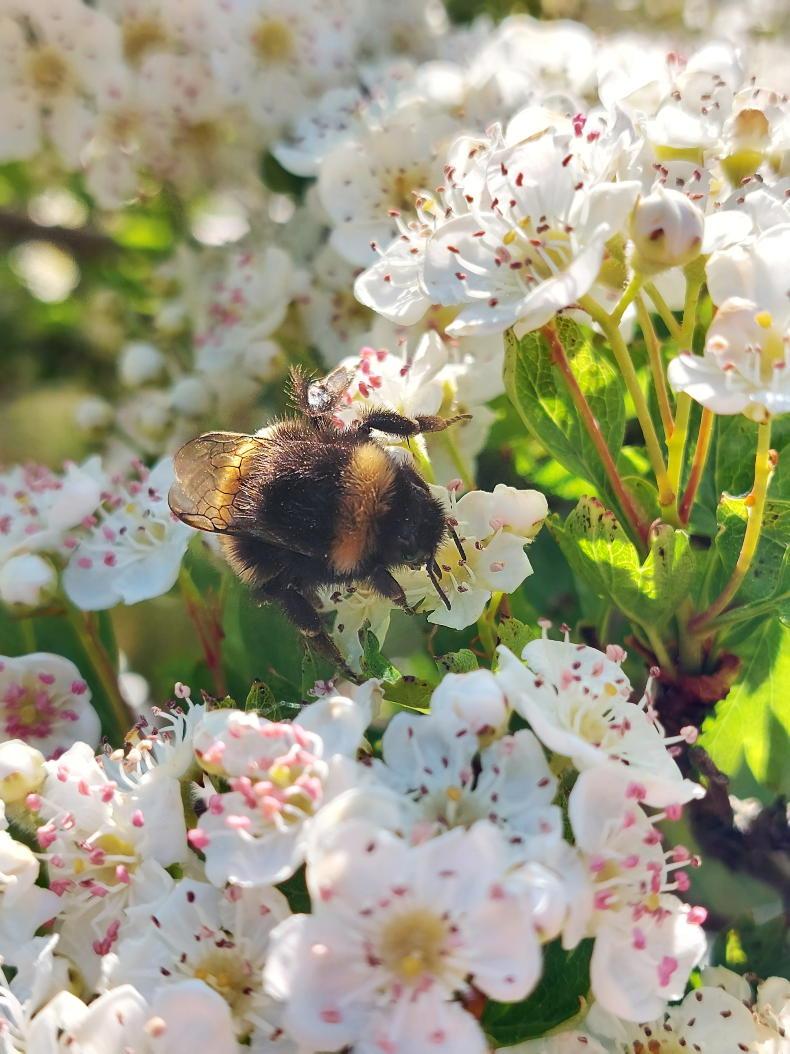
Aoife: The honey quality in 2025 was very high. The main summer crop is sweet, strong and very full of flavour due to the high April and May yields, which would mostly be from the tree blossoms of sycamore, horse chestnut and whitethorn.
It has a below-average moisture content due to the dry summer, which makes it more viscous, a good characteristic in honey.
In essence, there was very good-quality summer honey, but just not enough of it. The autumn crop is heather, but, in 2025, a large amount of it was combined with knapweed and other plants with a similar flowering period.
What was the high point of 2025 from a beekeeping perspective?
Aoife: The high points were the wonderful bumper crop of autumn honey. And an excellent mating season. This is so important for the survival of the colonies.
It is very important that a new queen and the males (or the drones) have ideal weather conditions to get out to mate, which occurs up in the air at special mating sites.
She generally only needs one trip out (sometimes two). This does her for life. But she needs to mate with a large number of males during that trip. So, the fine weather allows more of them to be available for mating.
What was the low point of 2025?
Aoife: The low points was the below-average summer yield, which is the most popular honey of all.
Consumers that can get access to Irish honey may have seen a rise in price. This is due to the reduced yields due to adverse summer weather conditions for a few summers in a row.
Another low point was the news that the Asian hornet has arrived in Ireland. There have now been sightings in Antrim, Dublin and Cork, with nests found in Cork.
I can't understate how serious this predator is to honey bees and all pollinators. We know this from how it has become established in many European countries.
Some people think that we will be ok because of our cold, wet Irish climate - this is not the case. They are very adaptable.
A good example of this is how they have gained a foothold in the Netherlands, which has a colder climate than us in the winter. And only for the voluntary efforts to trap and eradicate nests in that country, the situation would be a lot worse.
Any developments on the native Irish bee front?
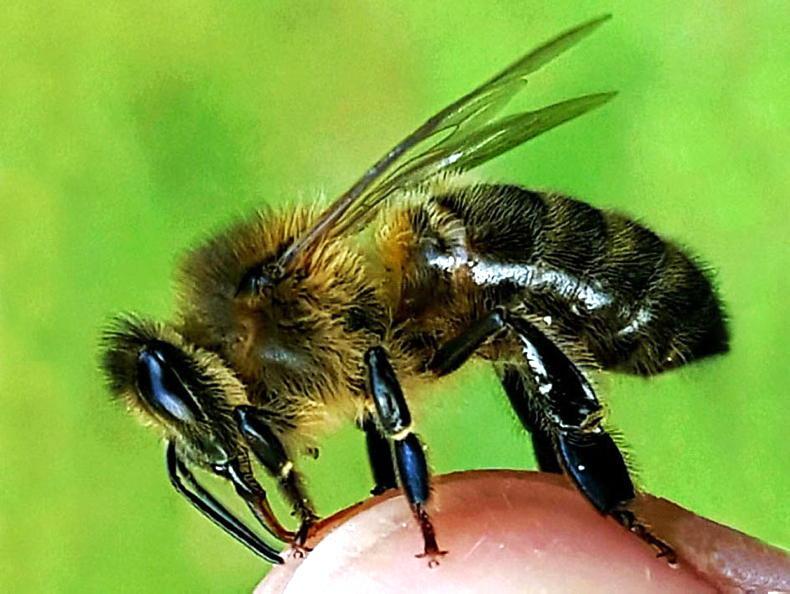
Aoife: We are very fortunate in this country to have the native Irish honey bee or giving it its official title the dark European honey bee.
Once native to the whole of northern Europe, Ireland is its last true stronghold. Its traits are productivity, survivability, genetic diversity, among many other traits.
We are so lucky that 90% of beekeepers in Ireland see the value and strive to keep this honey bee.
But the Irish bee is still under increasing threat from the minority of beekeepers who import honey bees or use honey bees of imported origin.
These imported bees are often sold off to beginners or ordinary people who have not fully informed themselves of the repercussions of buying them.
They mate with native populations, hybridising them and ruining the genetics.
The native honey bee bill 2021 went through the five stages of the Seanad and is currently at a standstill at stage two in the Dáil. We are hoping that it will progress in the near future.



SHARING OPTIONS