


The number of herds with animals that tested positive for Bovine Viral Diarrhoea (BVD) last year was up 6%, according to Animal Health Ireland (AHI).
There were 206 BVD-positive herds in 2025 versus 195 in 2024, the figures show.
The increase in cases comes following a decade of significant progress in tackling BVD. In 2013, when tissue tagging became mandatory, over 10% or 8,218 herds were BVD-positive.
Monaghan held the biggest share in 2025 with 28 positive herds, accounting for 14% of the overall figure. Limerick was next on the list with 18 positive herds, followed closely by Kerry with 17 and Cork with 16.
Galway (15), Tipperary (14), Meath (12), Cavan (12) and Clare (11) were next on the list.
Meanwhile, Mayo, Laois, Westmeath, Offaly, Roscommon, Louth, Kildare, Longford and Kilkenny (in order from best to worst) had nine or less positive herds.
Carlow was the only county with no positive herds in 2025, while Donegal, Leitrim, Wicklow, Dublin, Sligo, Waterford and Wexford all had two or less.
The number of BVD-positive animals also rose by over 13% in 2025 to 549, up from 485 animals in 2024.
Although the numbers were up in 2025, they were still well below 2023’s figures, when there were 262 positive herds and 701 positive animals.
AHI has urged farmers and the wider agri-industry to work together to “finish the job” on BVD eradication.
However, AHI warns that speed is now of the essence if Ireland is to move decisively towards BVD freedom.
“Farmers have played a huge role in getting us to this point, and we are very close now. This is a testament to collective effort, responsibility and persistence across the sector,” said Dr Maria Guelbenzu, AHI BVD programme manager.
“One big push this year, starting at the peak spring calving season, can bring us extremely close to BVD freedom. Every calf tested quickly, and every positive animal removed promptly, makes a real difference, this is about protecting the progress that has been made and finishing what we started,” Dr Guelbenzu said.
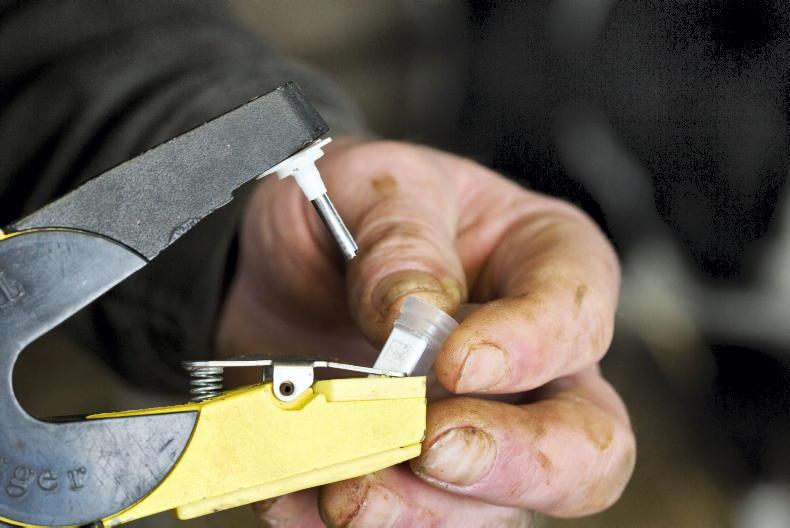
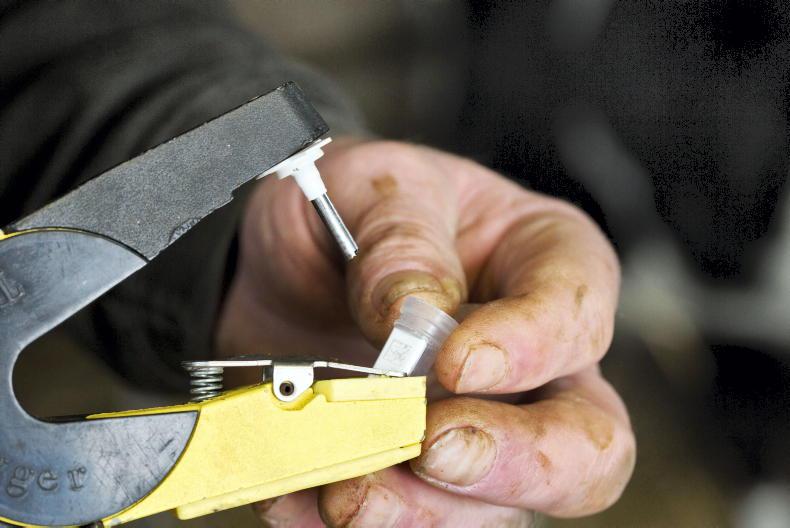
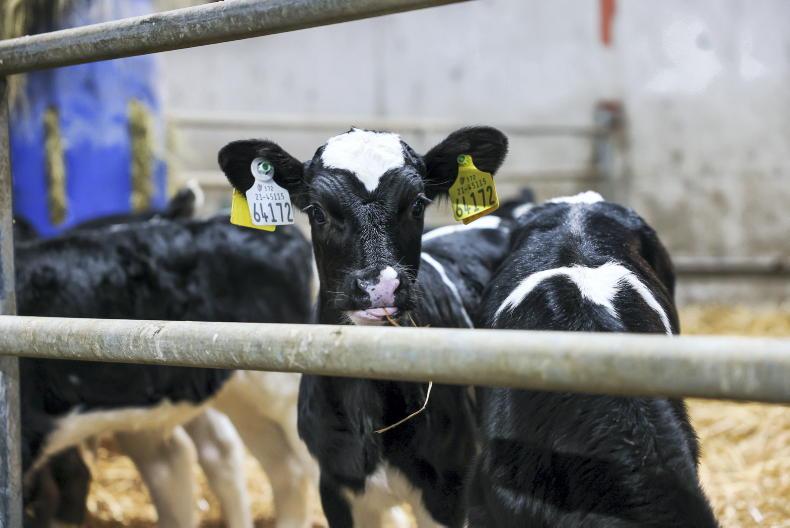
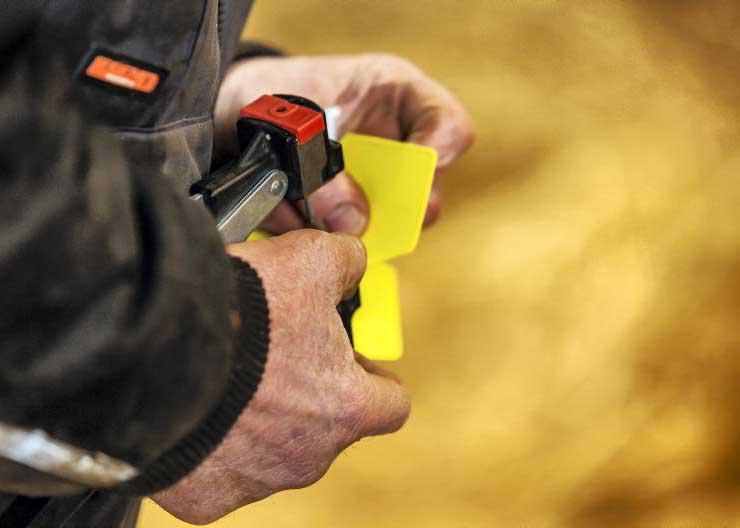
Tag, bag, test and remove are the four simple but vital steps AHI is encouraging farmers to follow this spring.


SHARING OPTIONS