


High-level conversations are under way on how bovine viral diarrhoea (BVD) will be monitored once the disease is eradicated.
In the recently released All-Island Disease Report 2024, María Guelbenzu Gonzalo of Animal Health Ireland (AHI) outlined that the BVD technical working group is preparing for Ireland to be BVD-free and is looking at how disease surveillance will then take place.
“In anticipation of achieving freedom from BVD, the BVD technical working group has reviewed and considered the available methods for monitoring freedom from BVD infection in a post-eradication scenario.
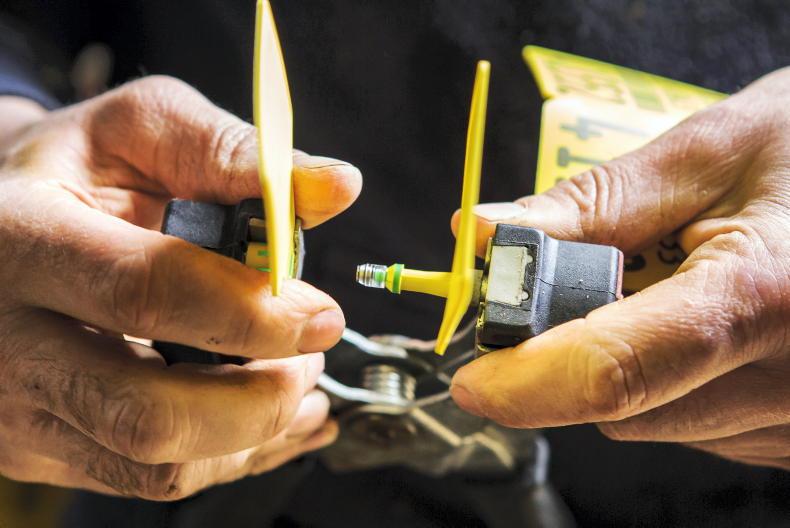
“Tissue testing of calves remains the best strategy to identify and remove persistently infected calves as soon as possible. However, it is also expensive,” she said.
BVD programme manager at AHI Guelbenzu Gonzalo added that other European countries use methods including bulk tank milk serology, youngstock check tests, first lactation check tests and abattoir tests to monitor the disease once it has been eradicated.
Modelling
Modelling was conducted that provided guidance to the BVD technical working group around these methods.
It was based on Co Kerry, the north of which had one of the worst outbreaks of BVD in recent times.
It looked at the effectiveness of the monitoring methods in the time taken to detect BVD, as well as cost, with the results published in the Agricultural Systems Journal.
The research paper said youngstock check tests are important for the surveillance of BVD freedom.
“The results of the simulation study were brought into dialogue with stakeholders. They expressed a keen interest in a method that is as cost-effective as necessary, but as efficient as possible.
“The outcomes of the simulation confronted stakeholder expectations with reality,” the paper’s authors stated.
Figures obtained by the Irish Farmers Journal from AHI in September 2025 show there are less than 200 herds with BVD.
Leitrim, Wicklow and Carlow are now clear of BVD from their cattle herds.



SHARING OPTIONS