


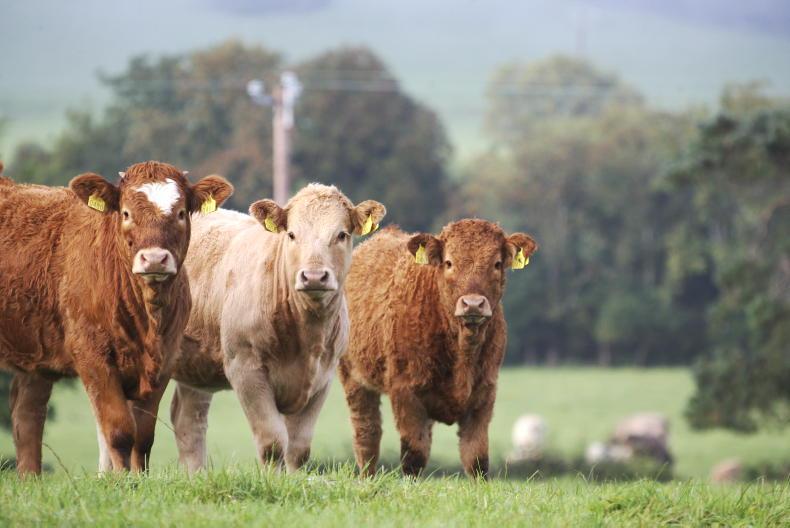
The Department of Agriculture, Food and the Marine’s animal health surveillance programme is urging farmers to vaccinate for blackleg this spring.
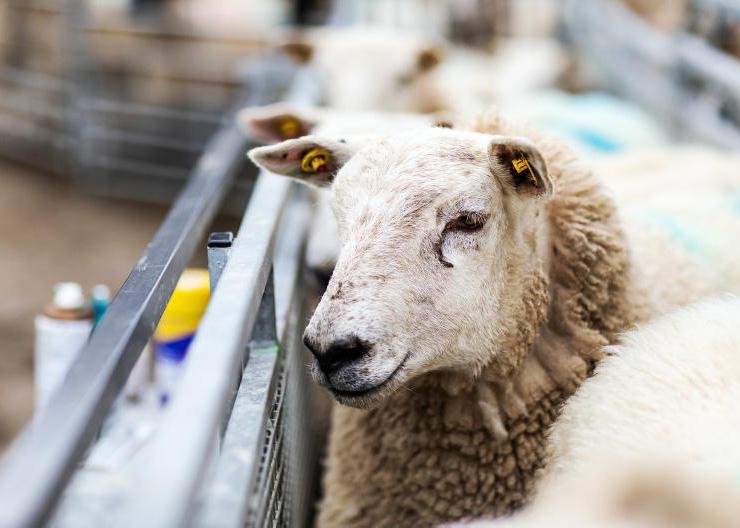
Blackleg is an acute, usually fatal disease of cattle and sheep, caused by the production of toxins by anaerobic soil-dwelling bacteria called clostridia, the Department said.
The bacteria can survive in soil as spores for decades or even centuries, it warned adding that flooding and other types of disturbance to soil like tillage and drainage can cause spores to rise to the surface, causing outbreaks of blackleg.
When the bacteria spores enter the body, they can proliferate, producing toxins that kill muscle tissue, creating a gas in the process. As a result, this leads to darkened areas of muscle with pockets of gas in the lesions which can become rapidly fatal for the animal.
Symptoms may present as lameness or swelling, however many cases of blackleg are found dead.
How is it diagnosed?
A vet can diagnose blackleg through a clinical examination or they may refer carcases to the nearest regional veterinary laboratory for post mortem and diagnostic tests.
How can farmers prevent blackleg on-farm?
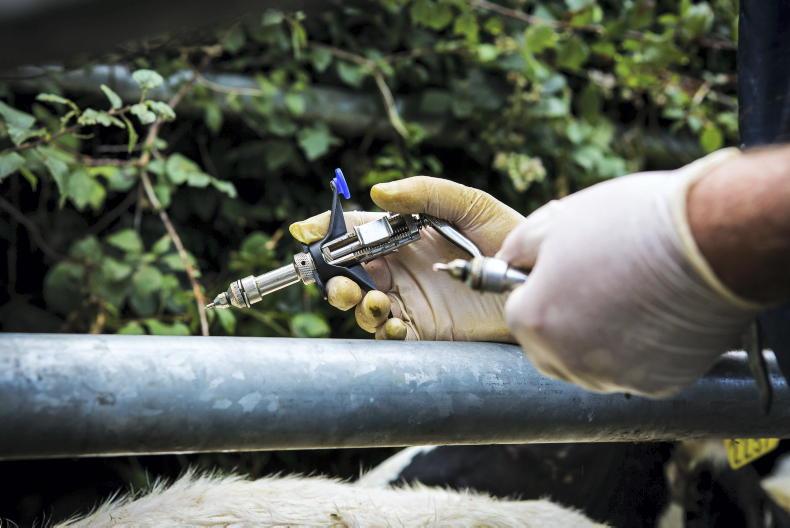
The gold standard of preventing blackleg is through vaccination. For successful vaccination, selection of a suitable vaccine, correct storage and administration of the vaccine as per the data sheet enclosed with the product are essential. According to the Department: “broad spectrum multivalent clostridial vaccines provide a wider range of protection against blackleg and prevent other diseases like tetanus also.”
The Department recommends contacting your vet for the best blackleg vaccination procedure for your farm.



SHARING OPTIONS