


Grass management:
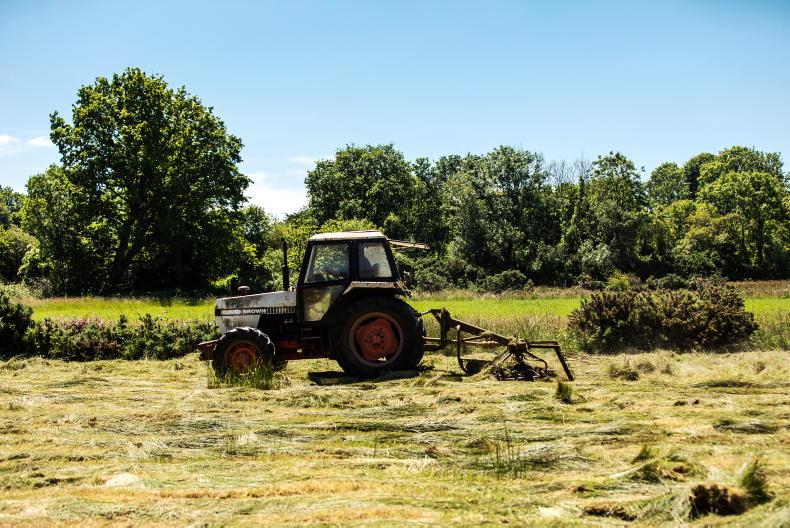
Rainfall and favourable soil temperatures have seen grass growth rates rise sharply in recent days and this is leading to greater difficulty in managing sward quality. For many mid-season lambing flocks, this is occurring at a critical time around weaning.
It is important to take steps to ensure that high-quality grass is offered to lambs to maintain performance. This includes not forcing lambs to graze down swards with a high proportion of stem at the base of the sward. This is generally 6cm to 7cm but could be higher in swards not grazed tight early in the year.
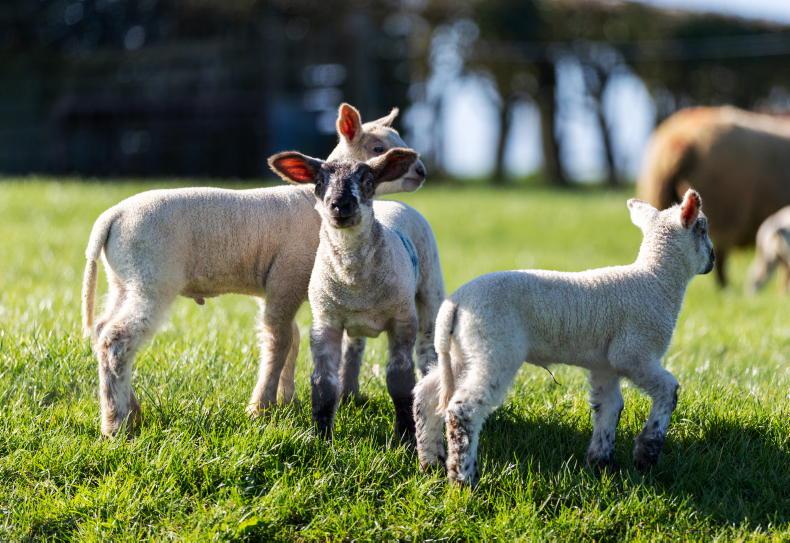
These paddocks should be grazed down with cull ewes or topped to 4cm to promote high-quality regrowth for the next grazing. The ideal situation to limit a reduction in lamb performance and to hit target growth rates of 180g to 200g post-weaning is offering access to aftergrass or clover swards and setting paddocks up to offer lambs access to fresh grass on a regular basis.
Castration:
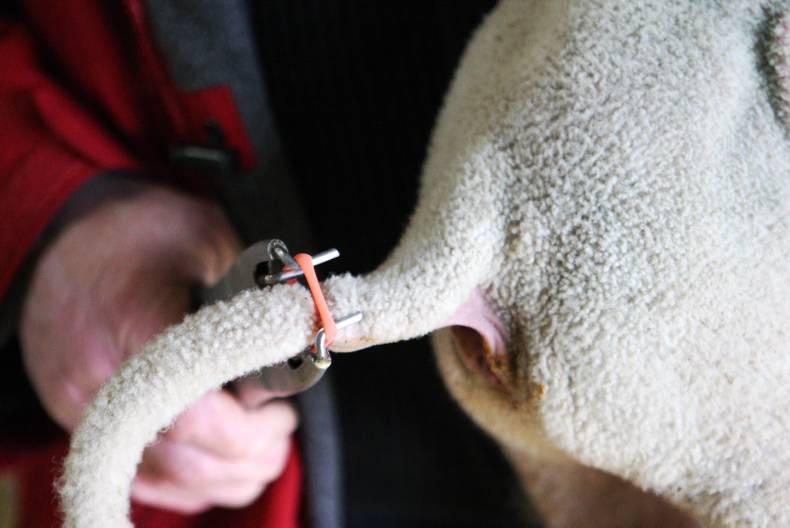
Where castration is taking place in lambs under three months of age pre- or post-weaning, veterinary advice strongly recommends first administering a clostridial disease vaccine (if not already administered) to protect against tetanus.
Blowfly prevention is also advisable as lambs will tend to spend longer lying down in the immediate post-castration period. Remember when castrating not to delay closure of the jaws of the burdizzo.
Also, castration should overlap from each side but never cross. Store the burdizzo with the jaws open in a dry, clean area to prevent rust contamination.
Grazing Tyfon:
Producers with experience grazing tyfon crops report the best results where lambs requiring a short finishing period are given access to the crop. Most target lambs weighing 37kg to 40kg liveweight for a short finishing period and drafting at liveweights of 43kg to 45kg to take advantage of an increase in kill-out percentage. Monitor fat cover, especially in the case of ewe lambs. When introducing lambs to the crop, offering lambs a runback area or grazing for a few hours initially will help them become accustomed to the crop.
Finding the best balance between grazing the crop and moving to a fresh area before lambs graze the bulbs will promote optimum quality regrowth.
The crop also favours nitrogen application and will deliver a rapid response to applied fertiliser. Flock lambs regularly as some breeds (mainly white-faced breeds) can develop a type of an allergic skin reaction on their ears or face.
Dates for diary:
Teagasc is holding three BETTER Farm sheep programme open days in the coming weeks. The first walk takes place next Thursday 16 July on the farm of Tomas O’Leary, Listry, Co Kerry at 2.30pm. The event is eligible for STAP registration and will focus on breeding policy, soil fertility and lamb performance.
Two further walks take place, the first on Brian Nicholson’s farm in Johnstown, Co Kilkenny, on 21 July at 10.30am, followed by a walk on the farm of John Curley, Four Roads, Co Roscommon on 24 July at 11am.




SHARING OPTIONS